The Economic Impact of Chia Seed Farming on Local Communities
Introduction:
In recent years, chia seeds have gained significant popularity as a superfood due to their nutritional benefits. These tiny black seeds, once used by the ancient Aztecs and Mayans for their energy-boosting properties, are now consumed globally as a health-conscious dietary supplement. While many focus on the individual health benefits of chia seeds, it is equally important to understand the economic impact this crop has had on local communities where it is cultivated.
Chia Seed Farming: A Brief Overview
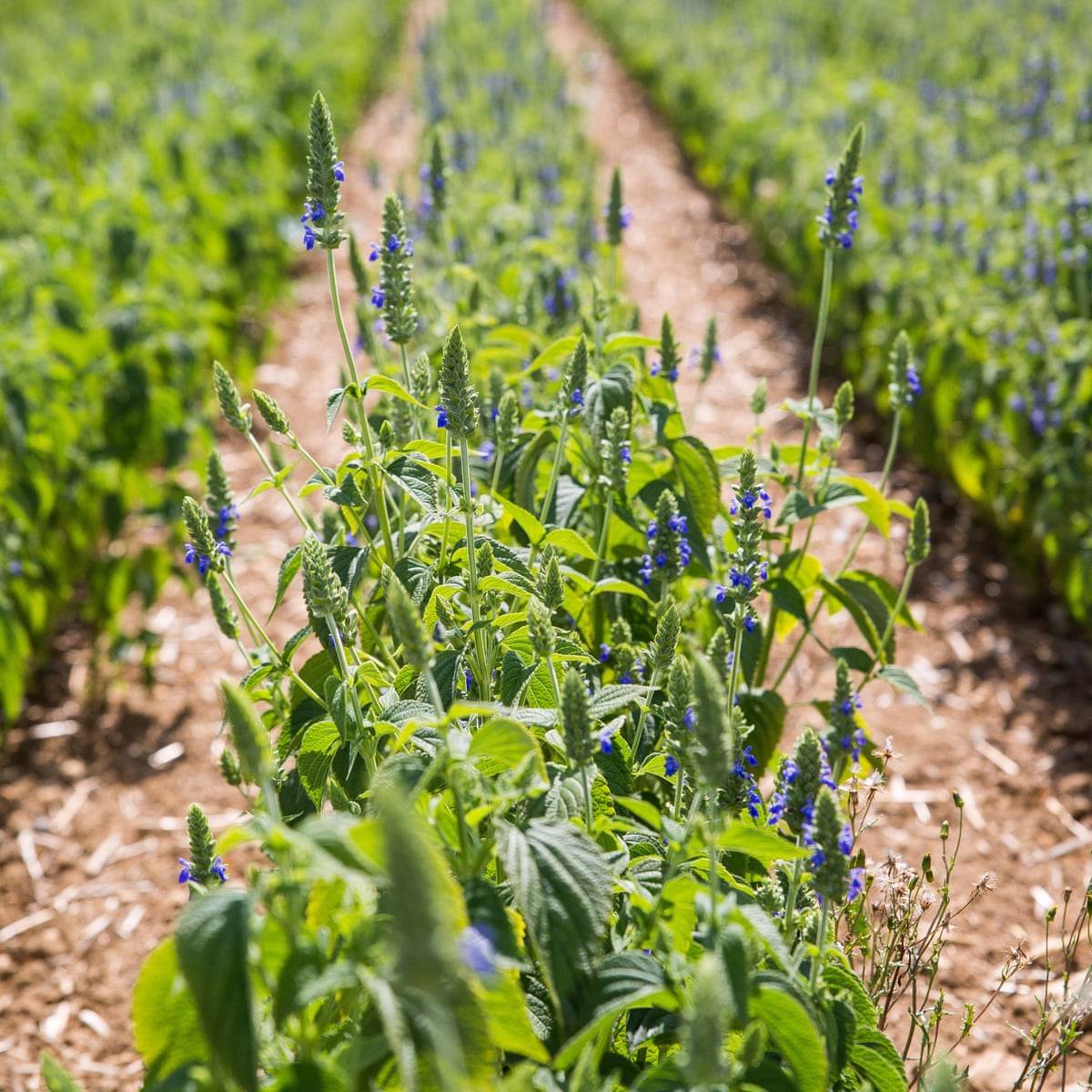
Chia (Salvia hispanica) is an annual herbaceous plant that belongs to the mint family. It thrives in regions with mild climates and well-drained soil conditions. Historically grown in Mexico and parts of Central America, chia seed farming has expanded worldwide due to increasing demand.
The cultivation process begins with planting chia seeds during specific times of the year when climatic conditions are favorable. The plants require regular watering and take approximately three months to reach maturity before they can be harvested. Once matured, farmers collect the seeds by cutting off the flower heads and allowing them to dry naturally.
The Rise in Demand:
The surge in global demand for chia seeds can be attributed primarily to its exceptional nutritional profile. Packed with essential nutrients such as fiber, omega-3 fatty acids, protein, antioxidants, vitamins, and minerals – including calcium and iron – these tiny seeds offer numerous health benefits like aiding digestion, reducing inflammation, boosting energy levels, and supporting heart health.
As consumers increasingly seek healthier alternatives within their diets, chia seeds have become highly sought after. This growing demand has created opportunities for small-scale farmers around the world who rely on income generated from cultivating this crop.
Positive Economic Impacts:
1. Job Creation:
One significant economic benefit of chia seed farming is job creation within local communities where it is cultivated. The cultivation process requires labor-intensive tasks such as planting, irrigation, weeding, and harvesting. As a result, chia seed farming provides employment opportunities for individuals in rural areas who otherwise might have limited options.
Not only does this help to alleviate poverty and improve living standards, but it also contributes to reducing unemployment rates within these communities. The income generated from chia seed farming allows families to meet their basic needs while also stimulating local economies through increased spending power.
2. Income Generation:
Chia seed farming has proven to be a lucrative venture for many farmers due to the high market demand and relatively low production costs compared to other crops. With proper land management practices and favorable climatic conditions, farmers can yield significant returns on their investments.
The income generated from chia seed sales not only benefits individual farmers but also supports the growth of ancillary industries that provide necessary services and inputs for cultivation. This includes equipment suppliers, transportation services, packaging companies, and even financial institutions that offer loans or credit facilities tailored towards agricultural activities.
3. Diversification of Agricultural Practices:
In regions where traditional cash crops may be vulnerable to climate change or market fluctuations, diversifying into chia seed farming offers an alternative source of income for local communities. By cultivating chia seeds alongside existing crops or shifting entirely towards its cultivation, farmers can mitigate risks associated with relying solely on a single crop.
Diversification helps ensure food security at both household and community levels by providing additional sources of nutrition while simultaneously bolstering economic stability through increased agricultural productivity.
4. Sustainable Farming Practices:
Chia seeds are known for their ability to grow under minimal water requirements compared to other crops like corn or wheat. This makes them suitable for regions facing water scarcity issues or those prone to droughts – major challenges faced by numerous communities worldwide.
By promoting the cultivation of chia seeds in such areas, governments and organizations encourage sustainable farming practices that conserve precious water resources. Additionally, chia plants have a natural resistance to pests and diseases, reducing the need for excessive pesticide use that can harm both human health and the environment.
Conclusion:
The economic impact of chia seed farming on local communities cannot be understated. From job creation to income generation, diversification of agricultural practices to sustainable farming methods – these tiny seeds have brought about significant positive changes in the lives of farmers around the world.
As we continue to embrace healthier eating habits and recognize the importance of supporting local economies, it is essential to acknowledge and appreciate how crops like chia seeds contribute not only to our personal well-being but also to the prosperity of those who cultivate them. By choosing products derived from sustainable and community-focused sources, we can truly make a difference in promoting equitable economic growth while nourishing ourselves with nature’s bounty.

Leave a Reply