Tuna: The Nutritional Powerhouse for a Healthy Diet
When it comes to healthy eating, tuna is a superstar that deserves its place in your regular diet. Packed with essential nutrients and offering numerous health benefits, this versatile fish can be incorporated into various dishes to enhance both taste and nutrition.
1. Rich in Protein
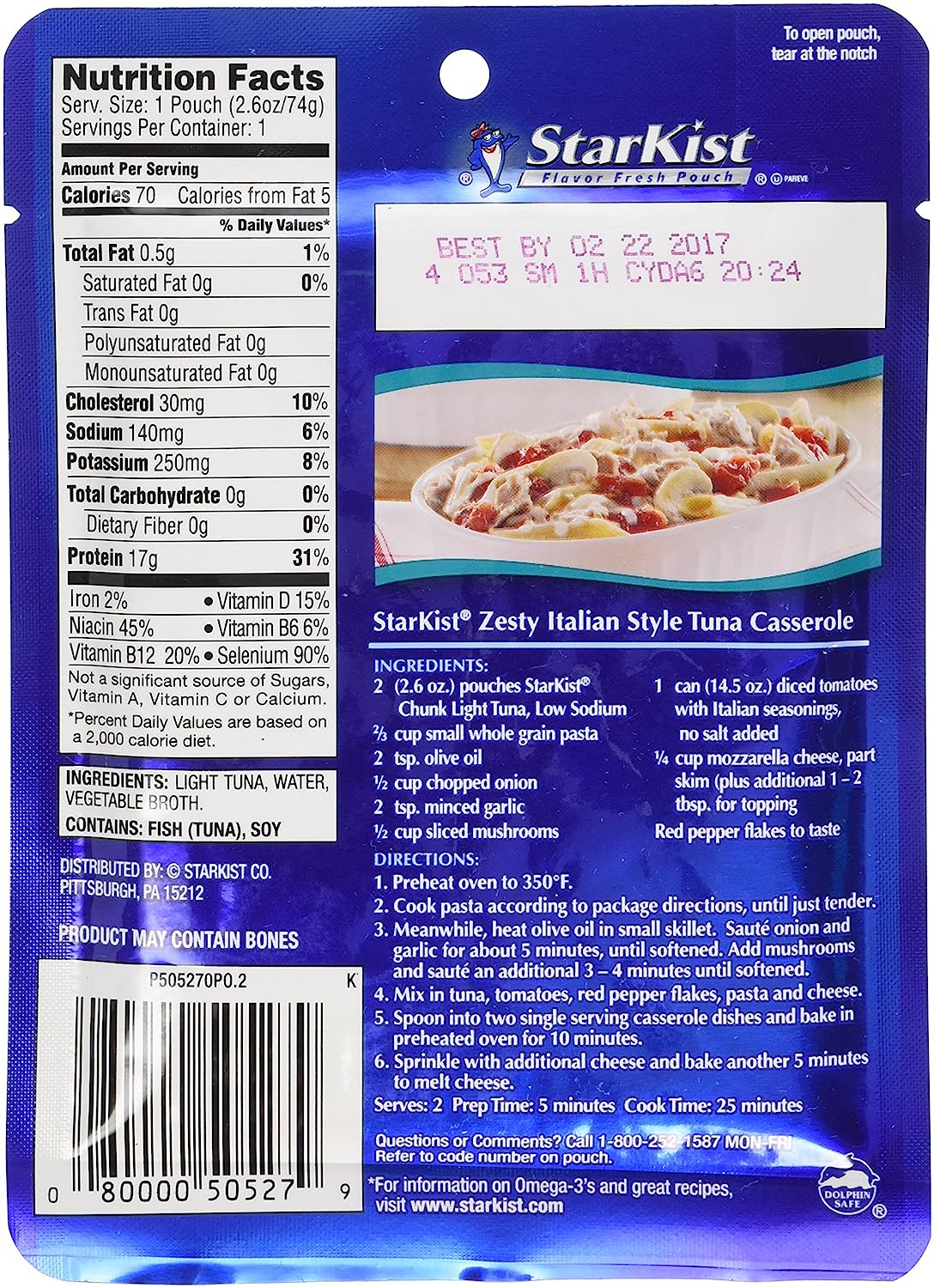
Protein plays a crucial role in the growth, repair, and maintenance of our body tissues. Tuna is an excellent source of high-quality protein that contains all nine essential amino acids required by our bodies. Just 100 grams of canned tuna provides around 25 grams of protein, making it an ideal choice for athletes or those looking to build muscle mass.
2. Omega-3 Fatty Acids
One of the most noteworthy benefits of consuming tuna is its rich content of omega-3 fatty acids. These essential fats are known for their anti-inflammatory properties and play a vital role in maintaining heart health. Regular consumption has been linked to reduced risk factors for cardiovascular diseases such as high blood pressure, cholesterol levels, and triglycerides.
Omega-3 fatty acids also benefit brain health by supporting cognitive function and reducing the risk of age-related decline. They have even shown promising results in improving symptoms related to depression and anxiety disorders.
3. Vitamins and Minerals
Tuna is loaded with vitamins and minerals that are necessary for overall well-being:
a) Vitamin D: Known as the sunshine vitamin because our bodies produce it when exposed to sunlight, vitamin D helps regulate calcium absorption, promotes bone health, boosts immunity, and reduces inflammation.
b) B-vitamins: Tuna is an excellent source of B-vitamins including thiamin (B1), riboflavin (B2), niacin (B3), pantothenic acid (B5), pyridoxine (B6), biotin (B7), folate (B9), and cobalamin (B12). These vitamins play a crucial role in energy production, brain function, and the formation of red blood cells.
c) Minerals: Tuna is rich in minerals like selenium, magnesium, potassium, and phosphorus. Selenium acts as an antioxidant and supports thyroid health. Magnesium plays a vital role in muscle and nerve function while also supporting bone health. Potassium helps maintain healthy blood pressure levels, and phosphorus aids in bone strength and energy metabolism.
4. Weight Management
Including tuna in your diet can be beneficial for weight management due to its high protein content. Protein-rich foods help increase satiety levels, keeping you feeling fuller for longer periods. This can reduce cravings for unhealthy snacks or overeating at meals.
Additionally, tuna is relatively low in calories compared to other protein sources such as beef or pork. It provides essential nutrients without adding excessive calories to your daily intake.
5. Heart Health
As mentioned earlier, the omega-3 fatty acids found abundantly in tuna contribute significantly to heart health by reducing inflammation and improving cholesterol profiles. Regular consumption of this fish has been associated with lower risks of heart disease, stroke, arrhythmias, and high blood pressure.
6. Eye Health
Tuna contains significant amounts of vitamin A and omega-3 fatty acids that are essential for maintaining optimal eye health. Vitamin A promotes good vision by protecting the cornea (the outermost layer of the eye) while omega-3 fatty acids have been linked to a reduced risk of age-related macular degeneration (AMD), which is one of the leading causes of vision loss among older adults.
7. Reduced Cancer Risk
The anti-inflammatory properties offered by omega-3 fatty acids may also help reduce the risk of certain types of cancer such as breast cancer, colon cancer, prostate cancer, and pancreatic cancer.
8. Mercury Concerns
While it’s true that some fish species contain higher levels of mercury, tuna falls into the moderate category. It is generally safe to consume in moderation for most individuals. Pregnant women and young children should exercise caution and limit their intake of tuna due to potential mercury exposure.
In conclusion, including tuna in your diet can provide a wide range of health benefits, from supporting heart and brain health to promoting weight management and reducing the risk of chronic diseases. Whether you enjoy it grilled, baked, or added to salads or sandwiches, this nutritional powerhouse is an excellent addition to any healthy eating plan. So go ahead and explore the delicious possibilities that tuna has to offer while nourishing your body with its abundant nutrients.

Leave a Reply