Plant-Based Protein for Vegetarians and Vegans: A Comprehensive Guide
Introduction:
Following a vegetarian or vegan diet can provide numerous health benefits, including lower risks of heart disease, high blood pressure, and obesity. However, it is essential to ensure an adequate intake of protein as it plays a crucial role in maintaining muscle mass, promoting satiety, and supporting various bodily functions. While animal products are known for being rich sources of protein, there are plenty of plant-based options that can meet the dietary needs of vegetarians and vegans. In this comprehensive guide, we will explore different plant-based protein sources and provide tips on how to incorporate them into your daily meals.
Legumes:
Legumes are an excellent source of plant-based protein that should be a staple in any vegetarian or vegan diet. They include beans (such as black beans, kidney beans, chickpeas), lentils, peas, and soybeans. Legumes are not only high in protein but also packed with fiber and micronutrients like iron and folate.
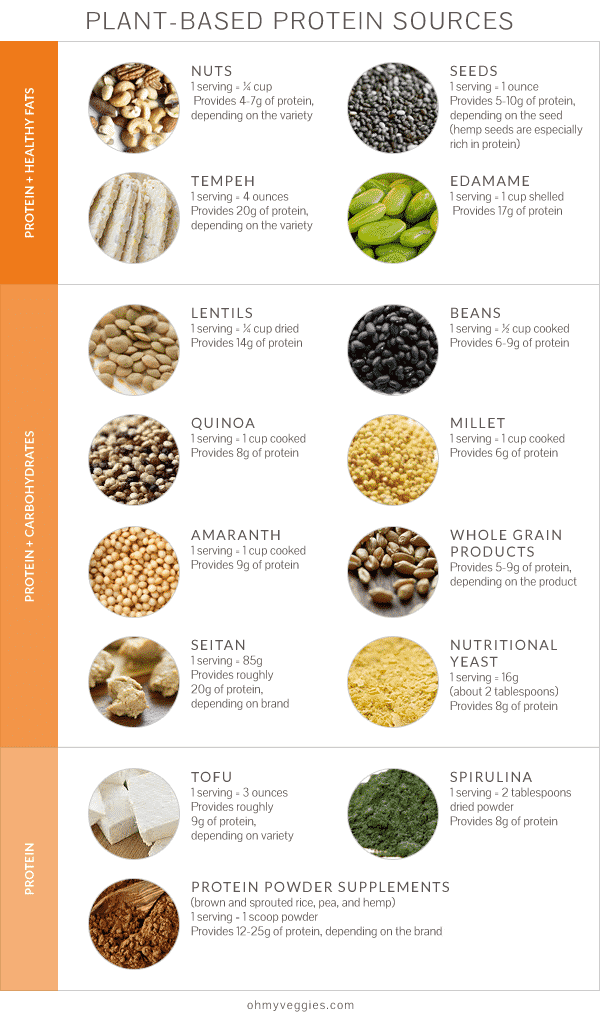
One cup (198 grams) of cooked lentils contains approximately 18 grams of protein while providing only about 230 calories. Similarly, one cup (164 grams) of cooked chickpeas offers around 15 grams of protein at just over 270 calories. Incorporating legumes into your diet through dishes like bean stews or hummus can significantly boost your daily protein intake.
Tofu and Tempeh:
Derived from soybeans, tofu and tempeh are versatile plant-based proteins that have been widely used by vegetarians for decades. Tofu is made by curdling soymilk while tempeh is created through fermenting whole soybeans.
Both tofu and tempeh offer roughly the same amount of protein per serving; around 10-20 grams per 100g depending on the variety you choose. They also contain all nine essential amino acids required by the body. Tofu has a mild flavor and can be incorporated into stir-fries, soups, or even blended into smoothies for added creaminess. Tempeh has a nutty taste and is often used as a meat substitute in sandwiches, salads, or marinated and grilled.
Quinoa:
Often mistaken as a grain, quinoa is actually a seed that provides all nine essential amino acids making it a complete protein source. One cooked cup (185 grams) of quinoa offers approximately 8 grams of protein along with other nutrients such as fiber, magnesium, and manganese.
Quinoa is incredibly versatile and can be used as an alternative to rice in various dishes like pilafs or salads. It can also be ground into flour to make gluten-free baked goods like bread or cookies.
Seitan:
Seitan is made from wheat gluten and is exceptionally high in protein compared to other plant-based options. Per 100g serving size, seitan provides around 25 grams of protein.
Due to its chewy texture and ability to absorb flavors well, seitan is often used as a meat substitute in vegan recipes such as stews, stir-fries, or sandwiches. However, individuals with gluten intolerance should avoid consuming seitan since it contains high amounts of gluten.
Nuts and Seeds:
Nuts and seeds are not only excellent sources of healthy fats but also contain moderate amounts of protein. Almonds are particularly rich in protein among nuts with around 21 grams per 100g serving size. Other high-protein nuts include pistachios (20g), cashews (18g), walnuts (15g), peanuts (25g).
When it comes to seeds chia seeds offer around 17 grams per 100-gram serving while hemp seeds provide roughly the same amount at about 30 grams per three tablespoons.
To incorporate these plant-based proteins into your diet effectively you can sprinkle them on top of salads, blend them into smoothies, or enjoy a handful as a snack.
Plant-Based Protein Powders:
For those seeking an easy and convenient way to boost their protein intake, plant-based protein powders are an excellent option. Made from sources such as peas, brown rice, hemp, or soybeans, these powders can provide anywhere between 15-30 grams of protein per serving.
Protein powders can be mixed with water or plant-based milk for a quick shake on the go. They can also be added to smoothies or used in baking recipes like pancakes or muffins.
Conclusion:
Adopting a vegetarian or vegan lifestyle doesn’t mean compromising your protein intake. By incorporating legumes, tofu and tempeh, quinoa, seitan, nuts and seeds, as well as plant-based protein powders into your diet regularly you can meet your daily recommended protein needs. Experiment with different recipes and explore new flavors to ensure you’re getting a variety of nutrients while enjoying the benefits of a plant-based diet.
Remember to consult with a healthcare professional or registered dietitian when making significant dietary changes to ensure you meet all your nutritional requirements.

Leave a Reply