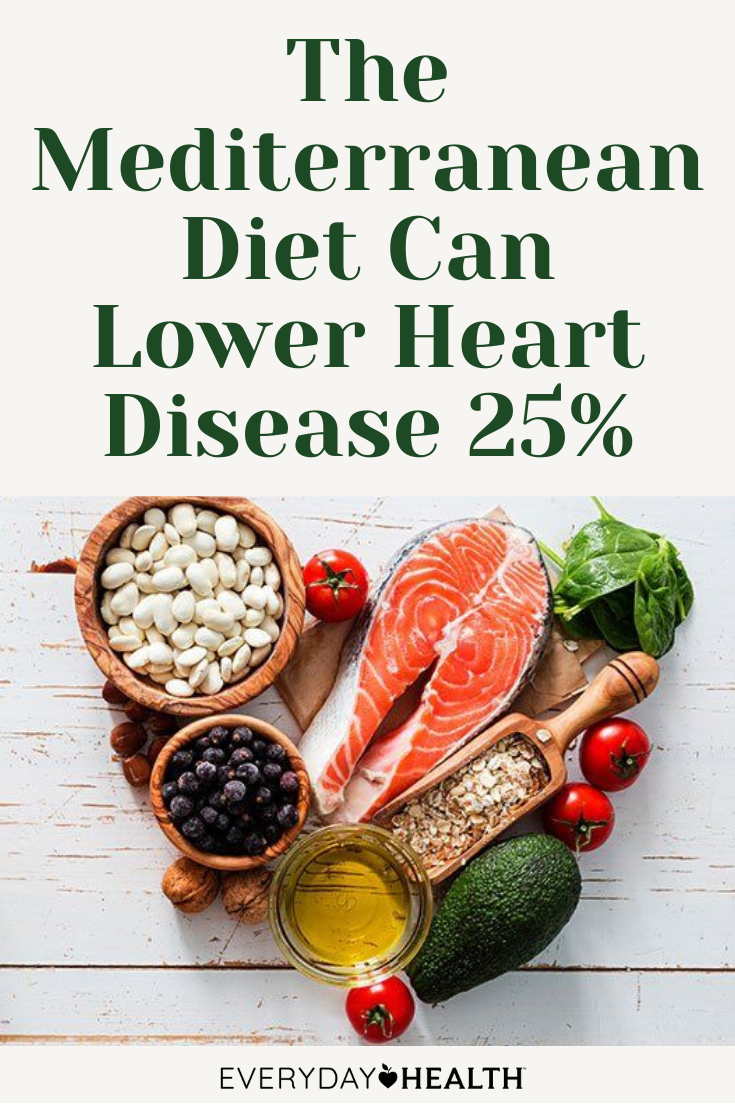
The Mediterranean diet has gained popularity in recent years for its numerous health benefits, particularly its positive effects on heart health. This eating pattern is inspired by the traditional diets of countries bordering the Mediterranean Sea, such as Greece, Italy, and Spain. It emphasizes whole foods, lean proteins, healthy fats, and plenty of fruits and vegetables. In this article, we will explore the top 10 reasons why the Mediterranean diet is great for your heart.
1. Rich in Antioxidants:
One key aspect of the Mediterranean diet is its abundance of antioxidant-rich foods. Fruits and vegetables like tomatoes, spinach, kale, berries, oranges are packed with antioxidants that help reduce oxidative stress in the body. By neutralizing harmful free radicals that can damage cells and contribute to heart disease development.
2. High in Healthy Fats:
Unlike many other diets that advocate for low-fat options, the Mediterranean diet embraces healthy fats from sources like olive oil and fatty fish (salmon or sardines). These fats are rich in omega-3 fatty acids which have been shown to reduce inflammation levels within blood vessels while lowering triglyceride levels – both important factors for maintaining good heart health.
3. Focus on Whole Grains:
Whole grains such as brown rice, quinoa bulgur wheat are staples of this dietary pattern. They contain more fiber than their refined counterparts (white bread or white rice), which helps to lower cholesterol levels and improve overall cardiovascular health.
4. Legumes Galore:
Beans (lentils or chickpeas) are a staple food group within the Mediterranean diet due to their high protein content combined with an abundance of fiber and essential minerals such as potassium and magnesium that support proper functioning of your cardiovascular system.
5. Moderate Red Wine Consumption:
In moderation – one glass per day for women or two glasses per day for men – red wine can provide certain heart benefits thanks to its high concentration of antioxidants called polyphenols. Resveratrol, a specific polyphenol found in red wine, has been shown to have cardiovascular protective effects when consumed as part of a balanced diet.
6. Lean Protein Sources:
The Mediterranean diet encourages the consumption of lean protein sources such as poultry, fish, and legumes. These options are low in saturated fat compared to processed meats like bacon or sausage. Consuming lean proteins helps maintain healthy cholesterol levels and reduces the risk of heart disease.
7. Reduced Consumption of Processed Foods:
Processed foods tend to be high in unhealthy fats (trans fats), added sugars, and sodium – all detrimental to heart health when consumed in excess. The Mediterranean diet promotes whole foods over processed alternatives which significantly reduces your intake of these potentially harmful ingredients.
8. Emphasis on Herbs and Spices:
Instead of relying on excessive salt or sugar for flavoring meals, the Mediterranean diet encourages the use of herbs and spices like garlic, basil, oregano or cinnamon that can add depth while providing potential heart-healthy benefits such as reducing blood pressure or improving blood sugar control.
9. Encourages Mindful Eating Habits:
The Mediterranean diet is not just about what you eat but also how you eat it! It emphasizes mindful eating practices such as slowing down during meals, savoring each bite and listening to your body’s hunger/fullness cues which can help prevent overeating and promote overall better digestion.
10. Overall Lifestyle Approach:
Lastly, what sets the Mediterranean diet apart from other diets is its holistic approach towards lifestyle choices beyond just food alone. Regular physical activity (such as walking or swimming) is encouraged alongside shared communal meals with family and friends where connections are nurtured – both factors that contribute positively to overall health including heart health.
In conclusion, adopting a Mediterranean-style eating pattern offers numerous benefits for heart health due to its emphasis on whole foods rich in antioxidants, healthy fats from olive oil/fish, and a reduction in processed foods. By following this diet, you can improve your cholesterol levels, lower blood pressure, reduce inflammation, and ultimately decrease the risk of heart disease. So why not give it a try? Your heart will thank you!

Leave a Reply