Introduction:
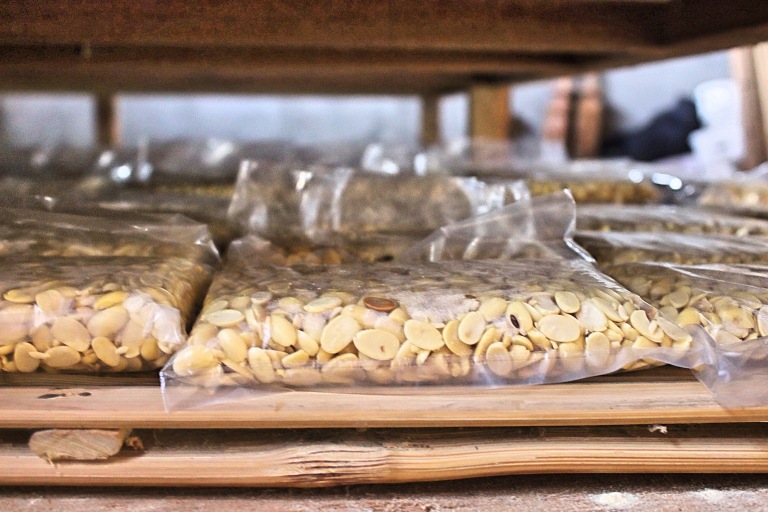
In recent years, there has been a growing interest in sustainable food options as consumers become more aware of the impact their dietary choices have on the environment. One protein source that has gained popularity in this regard is tempeh. Derived from fermented soybeans, tempeh offers several sustainability advantages over other protein sources such as meat and even other plant-based alternatives like tofu or seitan. In this article, we will explore the various aspects of tempeh production that make it a more sustainable choice for those looking to reduce their carbon footprint.
1. Land Use Efficiency:
One key aspect of sustainability is land use efficiency. Tempeh requires significantly less land than traditional livestock farming, making it an excellent option for feeding our growing population while minimizing deforestation and habitat destruction. Compared to beef production, which requires vast amounts of land for grazing and feed crops, tempeh production can be carried out in smaller spaces using vertical farming techniques.
Furthermore, when compared to other plant-based proteins like tofu or seitan, tempeh still comes out on top in terms of land use efficiency. The fermentation process used to produce tempeh allows for higher nutrient absorption from soybeans compared to tofu production methods that require extracting soy milk from beans and discarding pulp waste.
2. Water Usage:
Water scarcity is a global concern, making water usage an important factor when considering the sustainability of different food sources. Traditional livestock farming is notorious for its high water consumption due to animal hydration needs and irrigation requirements for feed crops.
Tempeh production requires significantly less water than both meat and some plant-based alternatives like almond milk or oat milk production. Fermentation naturally uses far less water than processes like boiling or blending required by other protein sources.
3. Carbon Footprint:
Reducing greenhouse gas emissions is crucial in combating climate change, making it essential to choose low-carbon footprint foods whenever possible. Livestock farming accounts for a significant portion of global greenhouse gas emissions, mainly due to methane production from cattle.
Compared to meat production, tempeh has a considerably lower carbon footprint. Soybeans used in tempeh production require less energy and resources compared to raising livestock for meat. Additionally, the fermentation process produces minimal greenhouse gases compared to the methane emissions associated with livestock farming.
Even when compared to other plant-based alternatives like tofu or seitan, tempeh still stands out as a more sustainable choice due to its lower energy requirements during production and transportation.
4. Nutritional Value:
Sustainability should not come at the expense of nutrition. Fortunately, tempeh is not only an environmentally friendly protein source but also highly nutritious. It contains all essential amino acids required by our bodies and is rich in vitamins and minerals such as iron, calcium, and B vitamins.
Tempeh’s high protein content makes it an excellent alternative for those looking to reduce their reliance on animal products while maintaining a balanced diet. Its unique texture and nutty flavor make it a versatile ingredient that can be used in various dishes.
5. Waste Reduction:
Food waste is another significant sustainability concern globally. Traditional livestock farming generates substantial amounts of waste through animal manure and by-products that often end up polluting water sources or emitting harmful gases into the atmosphere.
In contrast, tempeh production generates minimal waste since most parts of soybeans are utilized during fermentation – even the pulp left after extracting soy milk can be repurposed into animal feed or composted for soil enrichment.
Conclusion:
When considering sustainability aspects of protein sources, tempeh emerges as a clear winner over traditional meat production methods and even other plant-based alternatives like tofu or seitan. Its land use efficiency, lower water usage, reduced carbon footprint, nutritional value, and minimal waste generation make it an ideal choice for individuals concerned about their environmental impact without compromising on taste or nutrition.
By choosing tempeh as a regular part of our diets, we can contribute to the conservation of natural resources, reduction in greenhouse gas emissions, and support sustainable food systems for a healthier planet.

Leave a Reply