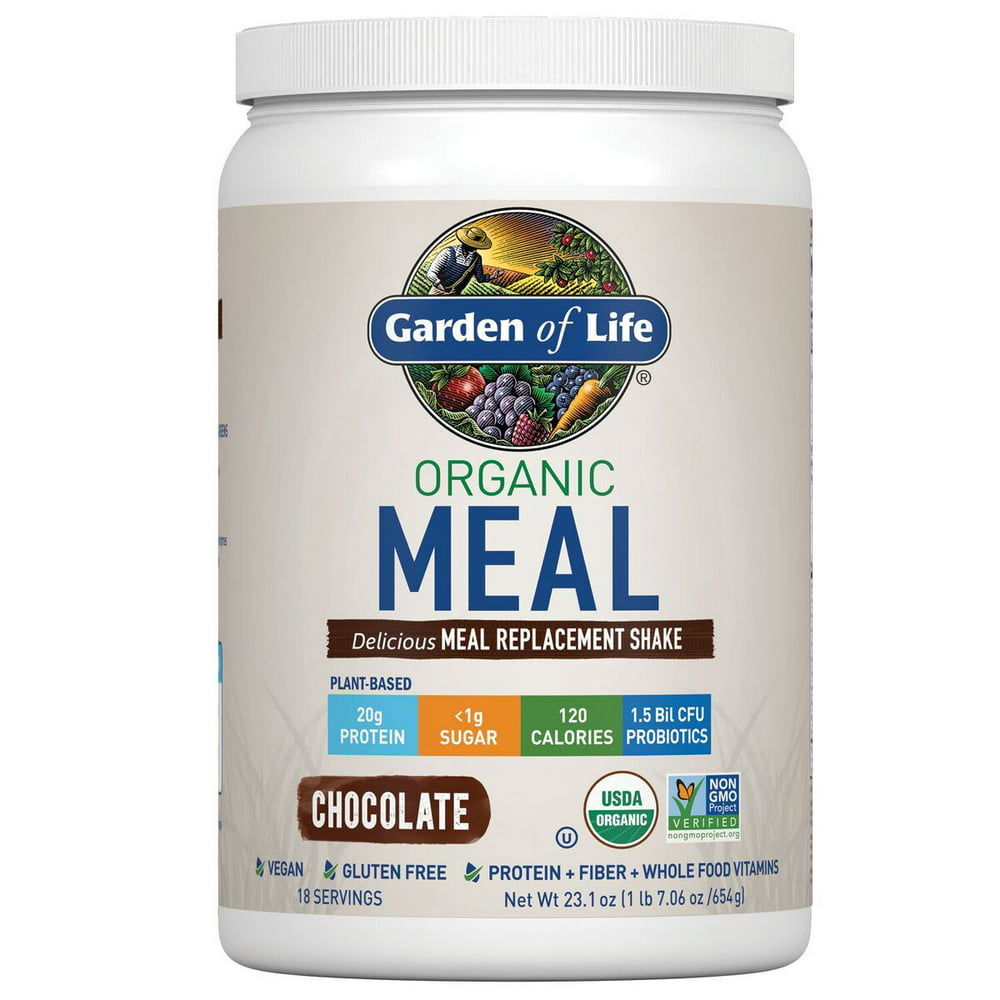
Protein Powder and Meal Replacement Shakes: A Comprehensive Guide to Healthy Nutrition
Introduction:
In today’s fast-paced world, many people struggle to maintain a healthy diet while juggling their busy lifestyles. That’s where protein powder and meal replacement shakes come into play. These convenient products claim to offer a quick and easy way to meet your nutritional needs without the hassle of preparing a full meal. But are they really as beneficial as they seem? In this deep-dive post, we will explore the world of protein powder and meal replacement shakes, examining their benefits, drawbacks, and how they can fit into a well-rounded diet.
Understanding Protein Powder:
Protein is an essential macronutrient that plays numerous roles in our bodies, including muscle repair and growth, immune function support, hormone production, and enzyme synthesis. While it is commonly found in foods such as meat, fish, dairy products, legumes, nuts, and seeds; some individuals may find it challenging to consume adequate amounts through their regular diet.
Enter protein powders. These powdered supplements allow people to conveniently increase their daily protein intake with ease. There are various types of protein powders available on the market including whey protein isolate/concentrate (derived from milk), casein protein (also derived from milk), soy protein (plant-based), pea protein (plant-based), rice protein (plant-based), hemp protein (plant-based), and more.
Whey Protein Isolate/Concentrate:
Whey protein is one of the most popular choices among fitness enthusiasts due to its excellent amino acid profile which aids in muscle recovery after exercise. Whey isolate contains a higher percentage of pure proteins compared to concentrate since it undergoes additional processing steps for filtration purposes. On the other hand, whey concentrate retains more lactose and fat but also has some beneficial components like bioactive peptides.
Casein Protein:
Casein differs from whey in terms of digestion rate. It forms a gel-like substance in the stomach, leading to a slow and sustained release of amino acids into the bloodstream over an extended period. This makes casein protein an excellent option for those seeking prolonged muscle recovery and growth.
Plant-Based Protein Powders:
For individuals following a vegetarian or vegan lifestyle, plant-based protein powders offer a viable alternative. Soy protein is considered a complete protein as it contains all essential amino acids. Additionally, pea, rice, hemp, and other plant-based proteins can be combined to create a complete amino acid profile. These options are also suitable for individuals with lactose intolerance or milk allergies.
Benefits of Protein Powder:
1. Convenient Source of Nutrition: One of the primary advantages of protein powder is its convenience factor. It can easily be mixed with water or added to smoothies or recipes, making it accessible on-the-go.
2. Muscle Recovery and Growth: Consuming an adequate amount of high-quality protein after exercise helps repair damaged muscles and promotes their growth.
3. Weight Management Support: Protein has been shown to increase satiety levels, thereby reducing overall calorie intake throughout the day while helping maintain lean muscle mass during weight loss efforts.
4. Supplement for Certain Dietary Restrictions: For those who have restricted diets due to allergies or specific dietary preferences (e.g., vegetarians/vegans), protein powders provide an easy way to meet their nutritional needs effectively.
Drawbacks of Protein Powder:
1. Not All Powders Are Created Equal: Quality varies among different brands and types of protein powders available on the market today; hence careful selection is crucial to ensure you’re getting what you pay for.
2. Potential Digestive Issues: Some people may experience bloating, gas, or digestive discomfort when consuming certain types of proteins like whey concentrate if they are sensitive or intolerant to lactose
3. Mixing with Unhealthy Ingredients: When using protein powder in recipes or shakes, it is important to be mindful of the other ingredients being used. Adding excessive sugars or unhealthy fats can negate some of the benefits protein powder offers.
Understanding Meal Replacement Shakes:
While protein powders focus primarily on delivering a concentrated source of protein, meal replacement shakes aim to provide a more comprehensive nutritional profile similar to that of an actual meal. These shakes typically contain a blend of proteins, carbohydrates, fats, vitamins, and minerals.
Benefits of Meal Replacement Shakes:
1. Portion Control: Meal replacement shakes come in pre-measured portions, helping individuals manage their calorie intake and avoid overeating.
2. Convenience: Similar to protein powders, meal replacement shakes offer convenience for those with busy lifestyles who may not have time to prepare a balanced meal.
3. Nutritional Balance: Reputable brands ensure that their meal replacement products are nutritionally balanced by providing adequate amounts of macronutrients (protein, carbohydrates, and fats) as well as essential micronutrients (vitamins and minerals).
4. Weight Management Support: By replacing one or two meals per day with a nutritionally complete shake, individuals can effectively control their calorie intake while still meeting their nutrient requirements.
Drawbacks of Meal Replacement Shakes:
1. Sustainability and Long-Term Use: While meal replacements can be helpful in certain situations (e.g., weight loss), relying on them excessively or long-term may lead to an unhealthy relationship with food and potentially result in nutrient deficiencies from missing out on whole foods.
2. Lack of Variety: Consuming the same shake repeatedly can become monotonous over time and may make it difficult to maintain adherence to the program.
3. Added Sugars and Artificial Ingredients: Some commercially available meal replacement shakes may contain added sugars or artificial sweeteners along with other additives that compromise their overall healthfulness.
Incorporating Protein Powder and Meal Replacement Shakes into Your Diet:
When considering incorporating protein powder or meal replacement shakes into your diet, it is essential to prioritize whole foods as the foundation of your nutrition. These products should supplement a well-rounded diet rather than replace it entirely.
1. Assess Your Goals: Determine why you are considering protein powder or meal replacement shakes and how they align with your health goals. Consult with a healthcare professional or registered dietitian to ensure they are suitable for you.
2. Choose High-Quality Products: Look for reputable brands that use quality ingredients, provide transparent information about their sourcing and manufacturing processes, and have undergone third-party testing for purity and safety.
3. Read Labels Closely: Pay attention to the ingredient list and nutritional information on product labels, ensuring that there are no unwanted additives like excessive sugars or artificial ingredients.
4. Experiment with Recipes: Incorporate protein powders or meal replacement shakes into recipes such as smoothies, pancakes, muffins, or energy balls to diversify your options and add variety to your meals/snacks while enhancing their nutritional value.
5. Avoid Overconsumption: Be mindful not to rely solely on protein powders or meal replacement shakes at the expense of whole foods. Strive for a balanced approach by incorporating fruits, vegetables, whole grains, lean proteins (e.g., poultry/fish), healthy fats (e.g., avocado/olive oil), and dairy alternatives if needed.
Conclusion:
Protein powder and meal replacement shakes can be beneficial additions to a well-rounded diet when used appropriately. They offer convenience in meeting increased protein needs or providing quick meals on busy days but should not replace real food entirely. Remember that moderation is key when incorporating these products into your lifestyle – focus on high-quality options without neglecting the importance of consuming nutrient-rich whole foods regularly. By striking this balance effectively, you can achieve optimal nutrition while still enjoying the benefits of convenience that protein powders and meal replacement shakes provide

Leave a Reply