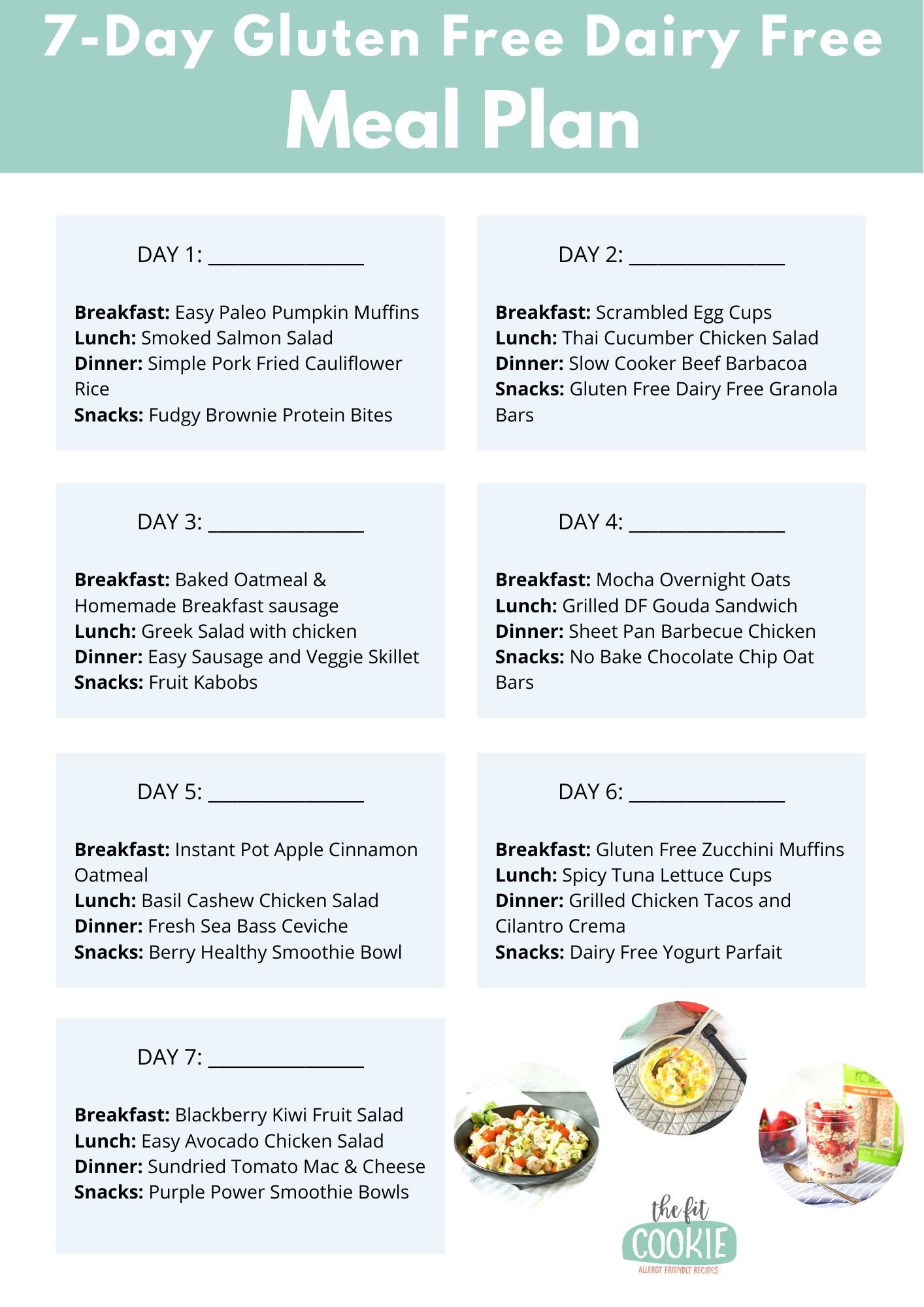
Gluten-Free Meal Planning Tips: A Comprehensive Guide
Introduction:
With the increasing awareness of gluten-related health issues and the growing popularity of gluten-free diets, meal planning has become an essential part of maintaining a healthy lifestyle. Whether you have celiac disease, gluten intolerance, or simply choose to avoid gluten for personal reasons, it is crucial to plan your meals carefully to ensure you meet all your nutritional needs. In this article, we will provide you with a comprehensive guide on gluten-free meal planning tips that will help you make informed choices and create delicious and nutritious meals.
Understanding Gluten:
Before diving into the world of gluten-free meal planning, it is essential to understand what exactly gluten is and why some individuals need to avoid it. Gluten is a protein found in wheat, barley, rye, and their derivatives. People with celiac disease are unable to tolerate even small amounts of gluten as it triggers an autoimmune response damaging the small intestine lining. Additionally, some individuals may experience non-celiac gluten sensitivity or wheat allergy which requires them to follow a strict gluten-free diet.
Stocking Your Pantry:
The first step in successful meal planning is having a well-stocked pantry filled with wholesome ingredients that are naturally gluten-free. Some staples for your pantry include:
1. Whole grains: Opt for alternatives like quinoa, rice (brown or wild), cornmeal/polenta, millet, amaranth, buckwheat groats (not flour), sorghum flour.
2. Flours: Experiment with different flours such as almond flour/meal, coconut flour, chickpea flour (also known as besan), tapioca starch/flour.
3. Baking essentials: Have baking soda/powder on hand along with xanthan gum or guar gum if recipes call for them.
4. Condiments/sauces: Check labels carefully as many condiments contain hidden sources of gluten; opt for certified gluten-free soy sauce, tamari, mustard, and mayonnaise.
5. Oils/vinegars: Stock your pantry with olive oil, coconut oil, avocado oil, apple cider vinegar, balsamic vinegar (check labels for added ingredients).
6. Nuts/seeds: Include a variety of nuts like almonds, walnuts, cashews along with seeds such as chia seeds and flaxseeds.
Meal Planning Strategies:
Once you have your pantry stocked with gluten-free essentials, it’s time to start planning your meals effectively. Here are some strategies to consider:
1. Plan ahead: Take some time each week to plan your meals in advance. This will help you save time during the week and ensure that you have all the necessary ingredients on hand.
2. Build a balanced plate: Aim to create well-balanced meals by including protein sources (such as lean meats/fish/tofu), colorful vegetables/fruits for essential vitamins and minerals, healthy fats (avocado/nuts/olive oil), and whole grains or starchy vegetables.
3. Batch cooking: Make use of batch cooking by preparing larger portions of certain dishes that can be used throughout the week. For example, cook a big pot of quinoa or roast a tray of mixed vegetables that can be incorporated into various meals.
4. Cook once; eat twice (or more): Utilize leftovers efficiently by repurposing them into new dishes for future meals. For instance, leftover grilled chicken can become a filling for tacos or salad toppings the next day.
5. Experiment with new recipes: Embrace creativity in the kitchen by exploring gluten-free recipes from reputable sources like cookbooks or reputable food blogs specializing in gluten-free cuisine.
Navigating Gluten-Free Dining Out:
While meal planning at home is relatively easier when following a gluten-free diet since you have full control over ingredient choices; dining out presents its own set of challenges:
1. Research restaurants in advance: Before dining out, research and choose restaurants that offer gluten-free options or are known to accommodate dietary restrictions.
2. Communicate with the staff: Inform your server about your gluten-free requirements and ask questions about menu items and potential cross-contamination risks.
3. Be cautious of hidden sources of gluten: Gluten can hide in unexpected places such as sauces, dressings, marinades, and even fried foods. Always ask for ingredient details if you are unsure.
4. Plan ahead when traveling: If you’re traveling to a new destination, do some research on local eateries or pack some safe snacks/meals to ensure you have food options available.
Conclusion:
Gluten-free meal planning is essential for individuals who need to adhere to a strict gluten-free diet due to celiac disease or other gluten-related health conditions. By stocking your pantry with wholesome ingredients, implementing effective meal planning strategies, and being mindful while dining out, you can create delicious meals that meet all your nutritional needs without compromising flavor or variety. With these comprehensive tips at hand, embark on your journey towards a healthier gluten-free lifestyle!

Leave a Reply