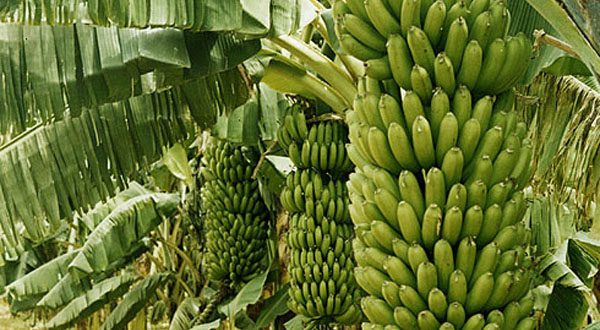
Banana Cultivation Techniques for Healthy Eating
Introduction:
Bananas are one of the most popular and widely consumed fruits in the world. They are not only delicious but also packed with essential nutrients like potassium, vitamin C, vitamin B6, and dietary fiber. Growing your own bananas can be a rewarding experience that allows you to enjoy fresh and organic fruit right from your backyard. In this article, we will discuss some key techniques for successful banana cultivation.
Choosing the Right Variety:
The first step in growing bananas is selecting the right variety for your climate and preferences. There are many different types of bananas available, each with its own unique flavor profile and growth requirements. Some common varieties include Cavendish, Lady Finger (also known as Sugar Bananas), Plantain, and Red Banana.
When choosing a variety, consider factors such as temperature tolerance, disease resistance, taste preference, and intended use (eating fresh or cooking). Additionally, check if the chosen variety is suitable for your local climate conditions.
Preparing the Soil:
Bananas thrive in well-drained soil with a pH level between 5.5 and 7.0. Before planting banana trees, it’s crucial to prepare the soil properly to ensure optimal growth.
Start by removing any weeds or grass from the planting area since they can compete with young banana plants for nutrients. Dig a hole about two feet deep and wide enough to accommodate the root ball comfortably.
Next, enrich the soil by adding organic matter such as compost or well-rotted manure. This helps improve drainage while providing essential nutrients to support healthy growth.
Planting Banana Trees:
Once you have prepared the soil adequately, it’s time to plant your banana trees.
If you live in an area prone to strong winds or hurricanes, consider creating windbreaks using tall shrubs or artificial barriers around your planting site before proceeding further.
Place each sapling into its respective hole carefully so that it sits upright. Gently backfill the hole with soil, firming it around the base of the plant to provide stability.
Ensure that the crown of the banana tree (where leaves emerge) remains above ground level while planting. This prevents water from pooling around the crown and causing rot.
Spacing between banana plants depends on their variety. Generally, dwarf varieties can be planted about six to eight feet apart, while larger varieties require a spacing of ten to twelve feet.
Watering and Fertilizing:
Bananas need regular watering throughout their growth cycle, especially during dry spells or drought conditions. Adequate moisture is essential for healthy fruit development.
Water your banana plants deeply once or twice a week depending on weather conditions. The goal is to keep the soil consistently moist but not waterlogged.
Mulching around each plant helps retain moisture and suppress weed growth. Apply a layer of organic mulch such as straw or wood chips around the base, leaving space near the stem to prevent rotting.
Fertilization is vital for promoting vigorous growth and maximizing fruit production in bananas. Apply a balanced fertilizer every two months during active growth periods. Look for fertilizers specifically formulated for bananas or choose ones with a ratio like 8-10-8 (nitrogen-phosphorus-potassium).
Pruning and Maintenance:
Regular pruning is necessary to maintain healthy banana plants and encourage optimal fruit production.
Remove any dead or damaged leaves by cutting them close to where they attach to the main stalk using sharp pruning shears. This prevents diseases and pests from spreading within your plantation.
As new shoots emerge from underground rhizomes, thin them out by removing excess suckers (shoots). Leave only one sucker per maturing clump since overcrowding can hinder overall productivity.
Harvesting Bananas:
Bananas take an average of nine months to mature after planting before they are ready for harvest. Depending on your climate zone and variety chosen, this timeline may vary.
The first sign of ripening is a change in color from green to yellow. However, some varieties may remain green even when fully ripe. Look for plump fruit with rounded edges and a slight give when gently squeezed.
To harvest bananas, cut the entire hand (bunch) using a sharp knife or shears. Avoid pulling the fruit off as it can damage the plant.
Store freshly harvested bananas at room temperature until they reach your desired level of ripeness. Once ripe, you can enjoy them fresh or use them in various culinary creations such as smoothies, baked goods, or savory dishes.
Conclusion:
Growing your own bananas can be an enjoyable and rewarding experience that allows you to savor delicious and nutritious fruits while promoting healthy eating habits. By following these cultivation techniques – choosing the right variety, preparing the soil correctly, planting properly, providing adequate water and nutrients, pruning regularly, and harvesting at the right time – you can successfully cultivate banana trees in your backyard or garden. So why not start your own banana plantation today and enjoy the many benefits it brings?

Leave a Reply