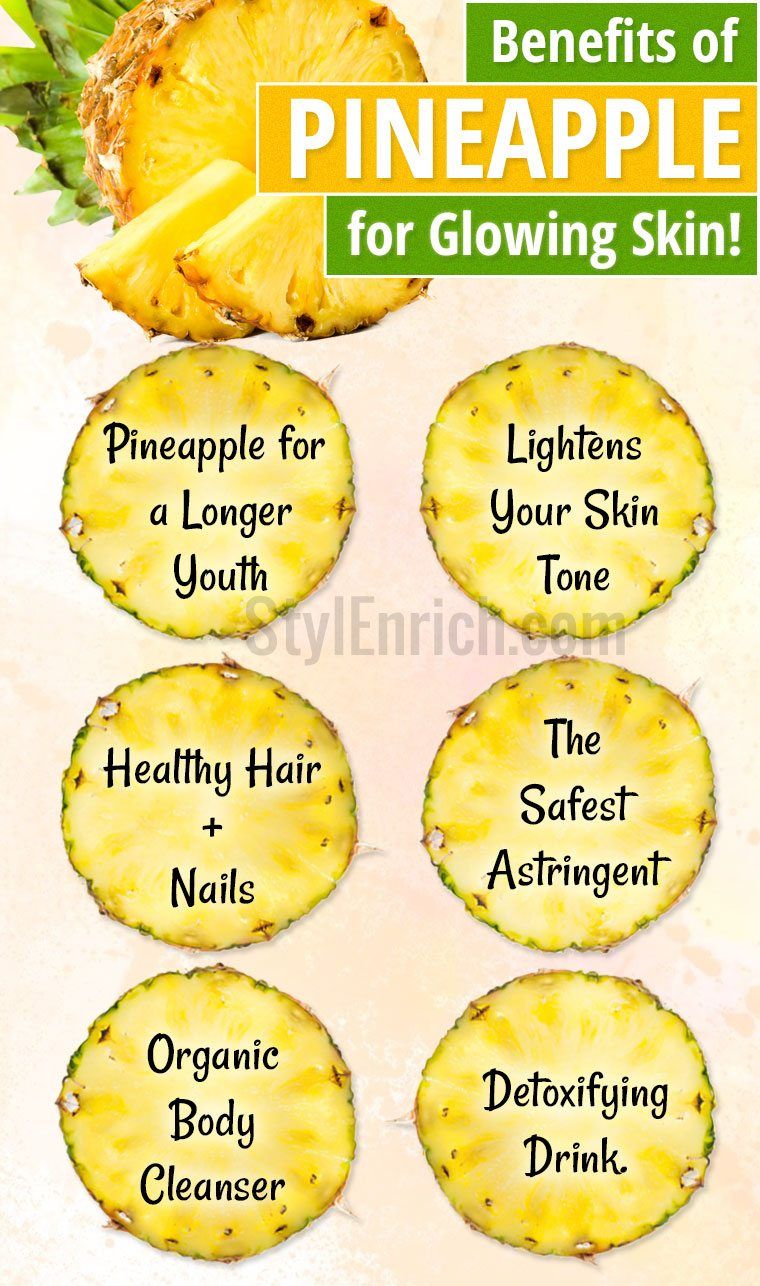
Pineapple and Skin Health: A Case Study
Introduction:
When it comes to maintaining healthy skin, many people turn to expensive skincare products or invasive treatments. However, what if the secret to achieving radiant skin lies in a simple tropical fruit? Pineapple, with its sweet taste and vibrant yellow color, is not only a delicious addition to our diets but also offers numerous benefits for our skin. In this case study, we will explore the various ways pineapple can contribute to improved skin health.
The Nutritional Profile of Pineapple:
Before we delve into the specific benefits of pineapple on the skin, let’s first examine its nutritional profile. Pineapples are rich in essential vitamins and minerals that play a vital role in promoting overall well-being. One cup (165 grams) of fresh pineapple chunks provides approximately 82 calories and contains:
– Vitamin C: Pineapples are an excellent source of vitamin C, providing more than 100% of your daily recommended intake. This powerful antioxidant helps protect the skin against free radical damage caused by sun exposure and environmental pollutants.
– Manganese: Pineapple is also packed with manganese, a mineral that supports collagen production – an essential protein for maintaining youthful-looking skin.
– Bromelain: One unique component found in pineapples is bromelain, which possesses anti-inflammatory properties that can help soothe irritated or inflamed skin conditions.
Promoting Hydration:
Proper hydration is crucial for maintaining healthy skin. Dehydrated skin can appear dull, dry, and prone to wrinkles. Pineapples have high water content along with essential electrolytes such as potassium and magnesium that help replenish lost fluids in the body.
Moreover, consuming foods rich in water content like pineapples helps improve overall hydration levels while keeping your complexion glowing from within.
Boosting Collagen Production:
Collagen is responsible for giving our skin strength and elasticity. Unfortunately, as we age or expose ourselves to harsh environmental factors, collagen production declines, leading to sagging and wrinkled skin. Pineapple can play a significant role in boosting collagen synthesis due to its high vitamin C content.
Vitamin C is essential for the formation of hydroxyproline and hydroxylysine, amino acids that are crucial for stabilizing collagen molecules. By consuming pineapple regularly, you provide your body with the necessary nutrients to support collagen production and maintain firm and youthful-looking skin.
Fighting Inflammation:
Inflammation is often an underlying cause of various skin conditions such as acne, eczema, or rosacea. Pineapple’s bromelain enzyme has been shown to possess anti-inflammatory properties that can help reduce redness and swelling associated with these conditions.
Additionally, bromelain aids in exfoliation by gently dissolving dead skin cells on the surface. This process promotes cell turnover while revealing a smoother complexion underneath.
Enhancing Skin Tone:
Uneven skin tone or hyperpigmentation can be a common concern for many individuals. The presence of vitamin C in pineapples helps inhibit melanin production – the pigment responsible for dark spots or uneven skin tone.
Regular consumption of pineapple may assist in gradually reducing hyperpigmentation issues while promoting a more even complexion over time.
Protecting Against Sun Damage:
Sun exposure plays a significant role in premature aging and damage to our skin cells caused by harmful ultraviolet (UV) radiation. While sunscreen should always be used as the first line of defense against sun damage, incorporating pineapple into your diet might provide additional protection from within.
The abundance of antioxidants found in pineapples helps counteract free radicals generated by UV radiation. These antioxidants neutralize oxidative stress on the skin cells and contribute to maintaining healthier-looking skin despite sun exposure.
Improving Digestion:
Maintaining healthy digestion is key not only for overall well-being but also for achieving clear and radiant skin. Poor gut health can manifest on our skin in the form of acne, inflammation, or dullness. Pineapple’s bromelain enzyme acts as a natural digestive aid, breaking down proteins and improving nutrient absorption.
By promoting healthy digestion, pineapple helps eliminate toxins from the body more efficiently and supports clear and healthy-looking skin.
Incorporating Pineapple into Your Diet:
Now that we have explored the various ways pineapple can contribute to improved skin health let’s discuss how you can incorporate this tropical fruit into your diet:
– Fresh Pineapple: Enjoy pineapples on their own as a refreshing snack or add them to fruit salads for an extra burst of flavor.
– Smoothies: Blend fresh pineapple chunks with other fruits like mangoes, strawberries, or bananas for a nutritious and delicious smoothie.
– Grilled Pineapple: Slice pineapples into rings and grill them lightly for a caramelized treat that can be enjoyed on its own or paired with savory dishes.
– Salsas and Sauces: Incorporate finely chopped pineapples into salsas or sauces to add a tangy twist to your meals.
Conclusion:
Pineapple offers numerous benefits for our skin due to its rich nutritional profile. From providing hydration and boosting collagen production to fighting inflammation and protecting against sun damage – this tropical fruit proves to be an excellent addition to any skincare routine. By regularly incorporating pineapple into your diet, you can support healthier-looking skin while enjoying its sweet taste at the same time. So why not give it a try? Your skin will thank you!

Leave a Reply