Nutritional Value: Fueling Your Body for Optimal Health
In today’s fast-paced world, it can be tempting to prioritize convenience over nutrition when it comes to our food choices. However, understanding the nutritional value of the foods we consume is crucial for maintaining optimal health. Our bodies rely on a variety of nutrients to function properly and stay energized throughout the day. In this article, we will explore the importance of nutritional value and how you can make informed choices to fuel your body.
First and foremost, let’s delve into what exactly nutritional value means. Nutritional value refers to the content of essential nutrients such as vitamins, minerals, proteins, carbohydrates, and fats in a particular food item. These nutrients are vital for bodily functions and play crucial roles in promoting growth, repairing tissues, boosting immunity, providing energy, and supporting overall well-being.
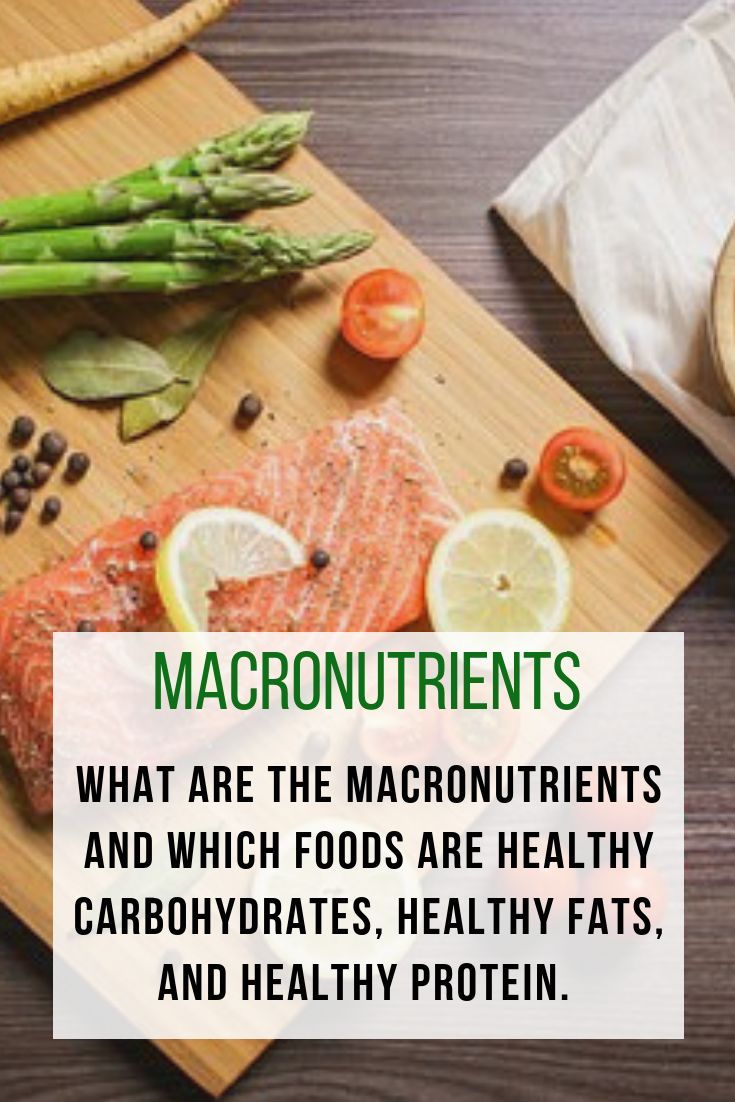
When considering nutritional value, it’s important to focus on both macronutrients and micronutrients. Macronutrients include carbohydrates (which provide energy), proteins (essential for muscle repair), and fats (necessary for hormone production). On the other hand, micronutrients refer to vitamins (such as vitamin C or D) and minerals (like iron or calcium), which are required in smaller quantities but have significant impacts on various bodily processes.
One way to ensure you’re getting adequate nutritional value from your diet is by consuming a balanced mix of whole foods. Fresh fruits and vegetables should form an integral part of every meal since they are packed with essential vitamins and minerals while being low in calories. Whole grains like brown rice or quinoa provide complex carbohydrates that release energy slowly throughout the day.
Protein-rich foods like lean meat sources (chicken breast or fish), legumes (beans or lentils), dairy products (milk or yogurt), or plant-based alternatives such as tofu offer necessary amino acids for muscle repair and growth. It’s also important not to neglect healthy fats found in foods like avocados, nuts, and olive oil, which are essential for brain function and nutrient absorption.
In addition to consuming a balanced diet, it’s crucial to be mindful of portion sizes. Even healthy foods can lead to weight gain if consumed excessively. Consulting a registered dietitian or using online resources can provide guidance on appropriate portion sizes for different food groups.
Moreover, understanding the nutritional value of your meals becomes particularly crucial when dealing with specific dietary needs or health conditions. For instance, individuals with diabetes need to monitor their carbohydrate intake carefully while those with iron deficiencies may require more iron-rich foods such as spinach or lean red meat.
Lastly, it’s worth mentioning that while processed and convenience foods may seem tempting due to their ease of preparation and availability, they often lack adequate nutritional value. These products tend to be high in added sugars, unhealthy fats, and sodium but low in essential nutrients. Opting for whole foods whenever possible is a key step towards maximizing your nutritional intake.
In conclusion, prioritizing the nutritional value of the food we consume is vital for maintaining optimal health and well-being. By focusing on macronutrients and micronutrients through a balanced diet consisting of whole foods, we can ensure our bodies receive the necessary fuel required for daily functions. Being mindful of portion sizes and considering individual dietary needs further enhances our ability to make informed choices about what we put into our bodies. Remember – nutrition plays a significant role in our overall quality of life; let’s fuel ourselves wisely!

Leave a Reply