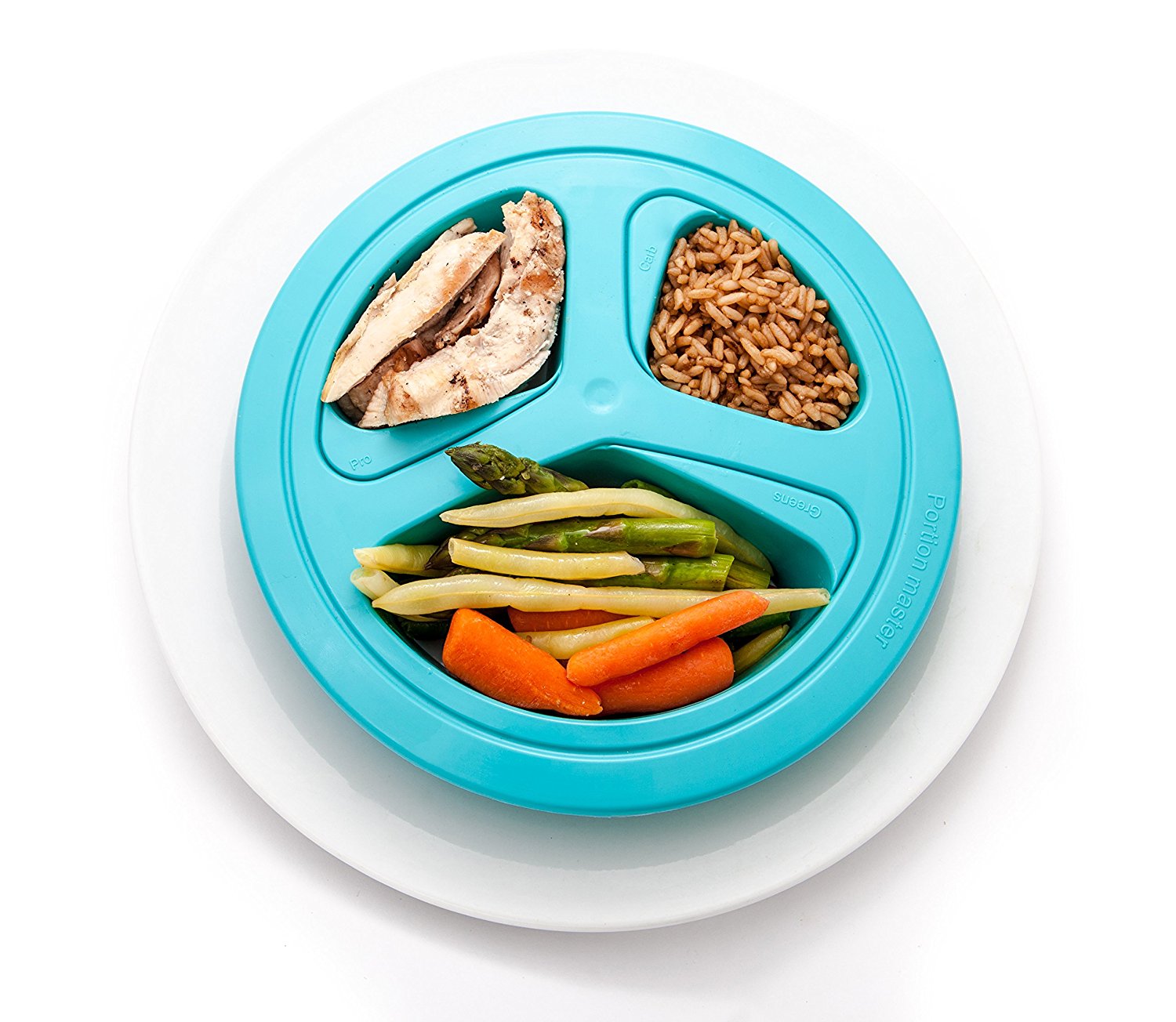
When it comes to healthy eating, many people often focus on the specific foods they should be consuming or avoiding. While food choices are certainly important, it is equally crucial to pay attention to portion sizes. The amount of food we eat plays a significant role in maintaining a balanced diet and achieving optimal health.
Portion control refers to the practice of managing the quantity of food consumed during meals and snacks. It involves being mindful of serving sizes and understanding how much energy our bodies require. By practicing portion control, individuals can maintain a healthy weight, improve digestion, and reduce the risk of chronic diseases such as obesity, heart disease, and diabetes.
In today’s world where oversized portions have become the norm, it is easy to lose sight of what constitutes an appropriate serving size. Restaurant portions have significantly increased over the years, leading us to consume more calories than necessary in a single sitting. Understanding proper portion sizes can help us make better choices when dining out or preparing meals at home.
One approach that can aid in portion control is using visual cues. For example, a recommended serving size for meat is about three ounces – roughly the size of a deck of cards or the palm of your hand. A cupped hand represents an appropriate serving size for grains like rice or pasta while a closed fist indicates one serving of fruits or vegetables.
Another strategy is reading nutrition labels carefully. Food packaging often provides information about suggested servings per container and their corresponding measurements in grams or ounces. Being aware of these details allows us to accurately gauge our intake without relying solely on guesswork.
It’s worth noting that different foods have varying calorie densities despite having equal volume or weight. For instance, one cup (240 mL) of diced watermelon has only 46 calories compared to one cup (240 mL)of granola which packs around 600 calories due to its higher fat content and added sugars.
Mindful eating also plays an integral role in portion control by encouraging us to slow down, savor our food, and pay attention to our body’s hunger cues. By eating more slowly and mindfully, we allow our brain enough time to receive signals from the stomach indicating fullness. This can prevent overeating and promote a greater sense of satisfaction with smaller portions.
To further assist individuals in managing their portion sizes effectively, the United States Department of Agriculture (USDA) introduced MyPlate. This visual representation of a well-balanced meal divides a plate into four sections: fruits, vegetables, grains, and protein. The size of each section serves as an approximate guide for portion control.
The USDA recommends filling half your plate with fruits and vegetables while dividing the other half equally between grains and protein sources such as lean meats or legumes. Adding a serving of dairy or dairy alternatives completes the meal. Following this guideline helps ensure that we consume adequate nutrients without exceeding portion limits.
Research has shown that practicing portion control can lead to positive health outcomes. For instance, a study published in The New England Journal of Medicine found that participants who were assigned larger portion sizes consumed more calories than those given smaller portions even when they reported feeling equally satisfied after meals.
In addition to weight management benefits, maintaining appropriate portion sizes also contributes to better blood sugar control among individuals with diabetes or prediabetes. It allows for more accurate carbohydrate counting which is crucial for insulin dosing purposes.
It’s important to remember that everyone’s nutritional needs differ based on factors such as age, sex, activity level, and overall health condition. Consulting with a registered dietitian can provide personalized guidance on appropriate portion sizes tailored specifically to individual requirements.
In conclusion, healthy eating involves not only making wise food choices but also paying attention to proper portion sizes. Practicing portion control can help maintain a healthy weight, improve digestion, reduce the risk of chronic diseases like obesity and heart disease while promoting optimal overall health. By being mindful of serving sizes, utilizing visual cues, reading nutrition labels, and adopting mindful eating techniques, we can achieve a well-balanced diet that nourishes our bodies effectively.

Leave a Reply