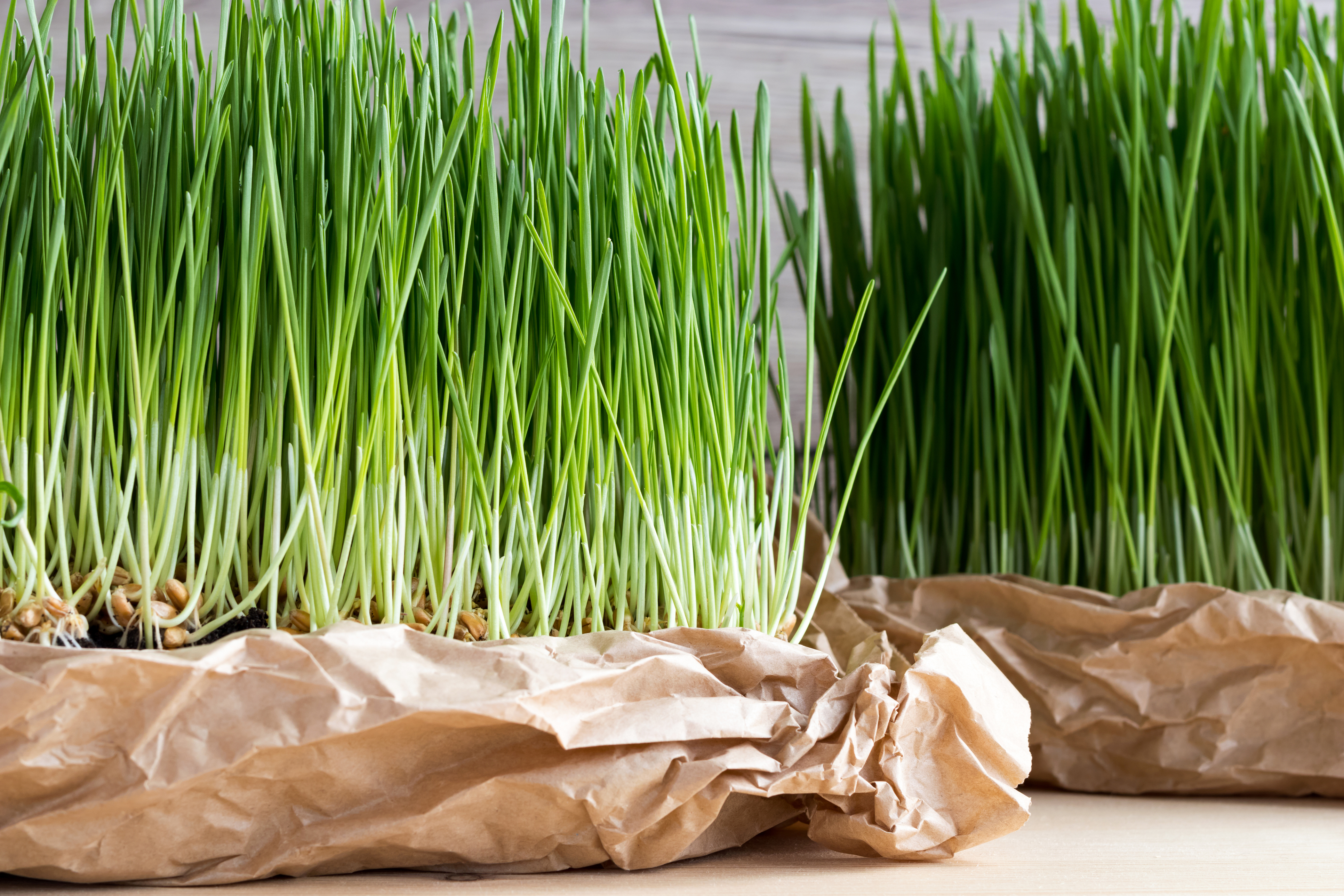
Comparing fresh wheatgrass vs. powdered wheatgrass
Wheatgrass has gained significant popularity in recent years due to its numerous health benefits. Packed with essential vitamins, minerals, and antioxidants, this vibrant green superfood is known for its detoxifying properties and ability to boost immunity. However, when it comes to incorporating wheatgrass into your diet, you have two main options: fresh or powdered. In this article, we will compare the pros and cons of both forms to help you make an informed decision.
Fresh Wheatgrass:
Freshly juiced wheatgrass is derived from the leaves of the common wheat plant (Triticum aestivum). It is typically harvested at a young age before it reaches maturity. The juice can be consumed on its own or combined with other fruits and vegetables in smoothies or juices.
Pros:
1. Nutrient-rich: Freshly juiced wheatgrass contains high levels of chlorophyll, vitamins A, C, E, K, and B complex vitamins such as B6 and B12. It also provides essential minerals like iron, calcium, magnesium, and selenium.
2. Enzymes intact: Unlike processed powders that may lose some nutritional value during manufacturing processes like drying or grinding, fresh wheatgrass retains all its natural enzymes.
3. Immediate absorption: Drinking freshly made wheatgrass juice allows for rapid absorption of nutrients since they are not exposed to air or heat that could potentially degrade their potency.
Cons:
1. Availability: Finding fresh wheatgrass may be challenging unless you grow it yourself or have access to specialty health food stores or juice bars.
2. Short shelf life: Freshly juiced wheatgrass has a short lifespan ranging from 1-4 days when refrigerated properly.
3. Preparation time: Juicing requires time-consuming preparation involving growing the grass until it reaches an optimal height before harvesting and juicing.
Powdered Wheatgrass:
Powdered wheatgrass is made by dehydrating the grass leaves and grinding them into a fine powder. This form of wheatgrass offers convenience as it can be easily stored, transported, and incorporated into various recipes.
Pros:
1. Convenient: Powdered wheatgrass can be stored for an extended period without losing its nutritional value, making it readily available whenever you need a nutrient boost.
2. Versatility: The powdered form allows for easy incorporation into smoothies, juices, baked goods, and even savory dishes like soups or salad dressings.
3. Cost-effective: While fresh wheatgrass may require regular purchasing or growing expenses, powdered wheatgrass provides a more affordable long-term option.
Cons:
1. Nutrient loss during processing: The dehydration process used to create powdered wheatgrass may cause some loss of heat-sensitive vitamins and enzymes.
2. Potential oxidation: Once opened, the exposure to air can lead to oxidation over time, reducing the potency of certain nutrients.
3. Quality concerns: Not all powdered wheatgrass products are created equal; some may contain fillers or additives that dilute their potency.
Which one should you choose?
The decision between fresh and powdered wheatgrass ultimately depends on your personal preferences, lifestyle factors, and accessibility.
If you have easy access to freshly juiced wheatgrass or are willing to invest time in growing your own at home, consuming it in its natural state would be ideal for maximizing nutritional benefits.
On the other hand, if convenience is your priority or if you struggle to find fresh options nearby, opting for high-quality powdered wheatgrass can still provide significant health benefits while fitting seamlessly into your routine.
It’s essential to read product labels carefully when selecting a powdered version to ensure it contains pure wheatgrass without unnecessary additives or fillers that might compromise its quality.
In conclusion:
Both fresh and powdered forms of wheatgrass offer valuable nutrients that contribute to overall health and well-being. Freshly juiced wheatgrass boasts optimal nutrition and immediate absorption, while powdered wheatgrass provides convenience and versatility.
Whether you choose fresh or powdered wheatgrass, incorporating this nutrient-dense superfood into your diet can be an excellent way to boost vitality and support a healthy lifestyle. Remember to consult with a healthcare professional before making any significant changes to your diet, especially if you have specific health concerns or conditions.

Leave a Reply