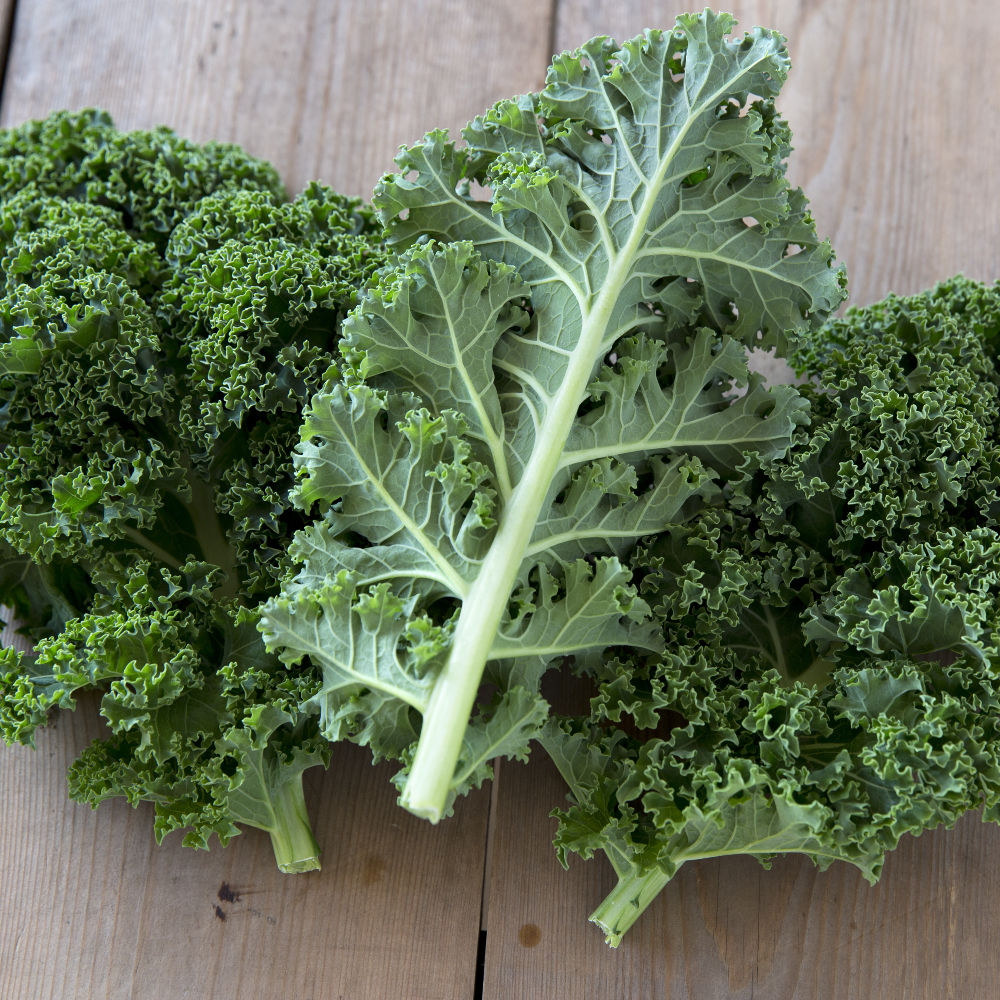
Raw Kale vs Cooked Kale: Which is Better for Your Health?
Kale, a leafy green vegetable that belongs to the Brassica family, has gained immense popularity in recent years due to its numerous health benefits. Packed with vitamins, minerals, and antioxidants, kale is often hailed as a superfood. However, there is an ongoing debate about whether consuming raw or cooked kale provides more nutritional value. In this article, we will delve into the raw kale vs cooked kale debate and explore the pros and cons of each preparation method.
1. Nutritional Profile:
Before we compare raw and cooked kale, let’s take a closer look at the overall nutritional profile of this powerhouse vegetable. Regardless of how you consume it, kale offers an array of essential nutrients:
– Vitamins: Kale is rich in vitamins A, C, K1, and B6.
– Minerals: It contains minerals like calcium, potassium, magnesium, iron.
– Antioxidants: The presence of antioxidants such as beta-carotene and lutein helps protect against oxidative stress.
– Fiber: Kale packs high amounts of fiber that aids digestion.
2. Raw Kale:
Raw kale has become increasingly popular due to its crunchy texture and vibrant color. When consumed raw or lightly steamed/blanched (which retains most nutrients), it provides several unique benefits:
– High Vitamin C Content: Raw kale boasts higher vitamin C levels compared to cooked versions since heat can reduce this nutrient’s concentration.
– Enzyme Activity: Cooking can denature enzymes present in vegetables; therefore consuming raw kale may help retain these enzymes that are beneficial for digestion.
– Heat-Sensitive Nutrients Preservation: Some nutrients like folate are sensitive to heat degradation; hence eating raw kale ensures maximum retention of these vital compounds.
However, it’s important to note that some individuals may have difficulty digesting large quantities of raw cruciferous vegetables like kale due to their high fiber content. This can lead to bloating or gas. Additionally, some people find the taste of raw kale to be too bitter or fibrous.
3. Cooked Kale:
Cooking kale alters its texture, taste, and nutritional composition. While it may result in a slight loss of certain nutrients due to heat exposure, cooking also offers several advantages:
– Improved Digestibility: Cooking breaks down tough fibers in kale which makes it easier for our bodies to digest.
– Greater Mineral Absorption: Heat helps break down oxalates found in kale that can hinder mineral absorption such as calcium; thus increasing overall bioavailability.
– Enhanced Antioxidant Activity: Some studies suggest that cooking actually increases the antioxidant activity in kale by breaking down cell walls and releasing more beneficial compounds.
4. Cooking Methods:
The way you cook your kale will impact its final nutritional value:
– Steaming: Steaming is one of the best methods to retain most nutrients while still making kale more palatable and digestible.
– Boiling: Boiling is another option but may cause significant nutrient loss due to leaching into water.
– Sautéing/Stir-frying: These methods are quick and preserve flavor but may result in some vitamin C degradation due to higher heat exposure.
5. Conclusion:
In conclusion, both raw and cooked versions of kale offer unique benefits depending on individual preferences and dietary needs.
If you enjoy the crunchiness and bitterness of raw vegetables, consuming raw or lightly steamed/blanched kale will provide maximum vitamin C content along with preserved enzyme activity. However, keep in mind that large quantities might be hard on digestion for some individuals.
On the other hand, cooked kale offers improved digestibility while still retaining essential vitamins and minerals like calcium through reduced oxalate levels. The enhanced antioxidant activity obtained from cooking should not be overlooked either.
Ultimately, including a variety of both raw and cooked preparations into your diet would ensure a diverse nutrient intake. Experimenting with different cooking methods can help you find the balance that suits your taste buds and health goals.
Remember, kale is just one component of a healthy diet; it is essential to incorporate a variety of fruits, vegetables, whole grains, and lean proteins for overall well-being.

Leave a Reply