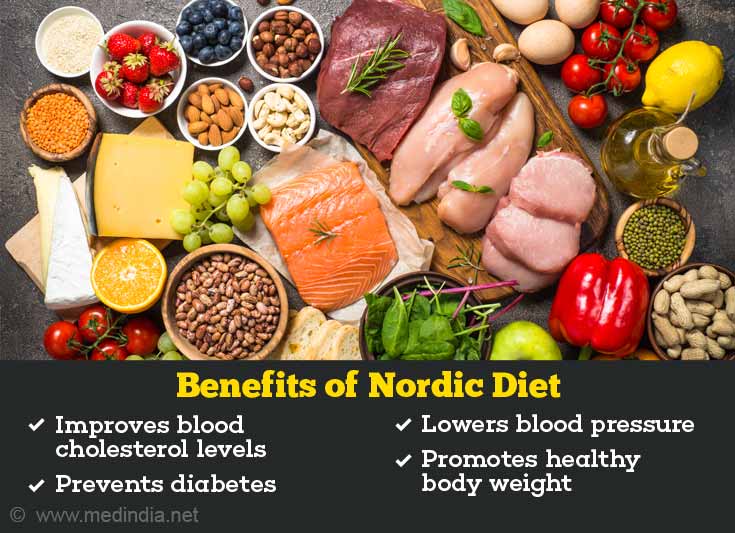
The Nordic diet, also known as the New Nordic Diet, has gained significant attention in recent years for its health benefits and sustainable approach to eating. Originating from the Scandinavian countries of Denmark, Finland, Iceland, Norway, and Sweden, this dietary pattern focuses on locally sourced and seasonal ingredients that are abundant in these regions. With an emphasis on whole foods such as fruits, vegetables, whole grains, fish, lean meats, and dairy products, the Nordic diet offers a balanced and nutritious way of eating that can improve overall well-being.
One of the key principles of the Nordic diet is sustainability. The focus is on utilizing local resources and reducing food waste by consuming what is naturally available in each season. This not only supports local farmers but also reduces carbon emissions associated with importing out-of-season produce from faraway places. By following this principle of sustainability, individuals who adopt the Nordic diet contribute to a more environmentally friendly food system.
Another important aspect of this dietary pattern is its high intake of plant-based foods. Fruits and vegetables are central to every meal in the Nordic diet. Their vibrant colors not only make meals visually appealing but also provide a wide range of essential vitamins, minerals, antioxidants, and fiber. Root vegetables like carrots and potatoes are commonly used in traditional dishes along with leafy greens such as kale or spinach.
Whole grains are another cornerstone of the Nordic diet. Rye bread is a staple in many Scandinavian households due to its rich flavor and dense texture. It’s often enjoyed with toppings like smoked salmon or pickled herring for added protein and healthy fats. Other popular whole grain choices include oats (often consumed as porridge), barley (used in soups or stews), and spelt (a versatile grain suitable for baking).
Fish plays a prominent role in Nordic cuisine due to the region’s proximity to oceans and lakes. Fatty fish like salmon, mackerel, herring,and trout are particularly favored for their high omega-3 fatty acid content. These healthy fats are known to promote heart health, reduce inflammation, and support brain function. Smoked or pickled fish is commonly consumed as an appetizer or incorporated into main dishes.
Lean meats such as poultry and game are also part of the Nordic diet but are typically consumed in moderation. Traditional dishes like reindeer stew or roast duck showcase the region’s culinary heritage while ensuring a balanced intake of protein. It’s important to opt for lean cuts of meat and practice portion control to maintain the overall healthfulness of the diet.
Dairy products like milk, cheese, and yogurt are widely enjoyed in Nordic countries. These foods provide essential nutrients including calcium, protein, and vitamin D. However, it’s worth noting that individuals with lactose intolerance may need to seek alternatives or opt for lactose-free options available in stores.
Berries are a nutritional powerhouse that thrive in the Nordic climate during summer months. Lingonberries, cloudberries, blueberries,and bilberries are just some examples of these antioxidant-rich fruits that offer numerous health benefits. Whether eaten fresh or used in jams, sauces,and desserts, berries add natural sweetness while contributing vitamins and fiber to the diet.
While indulging in sweets is not discouraged entirely on the Nordic diet, it is recommended to limit added sugars and focus on natural sources instead. Honey is often used as a sweetener due to its availability across Scandinavia; however, moderation should still be practiced when consuming any type of sweet treat.
Incorporating physical activity into daily life is another crucial aspect of the Nordic lifestyle associated with this dietary pattern. Walking,cycling,jogging,hiking,snowshoeing,and skiing are popular activities among Scandinavians throughout all seasons.It’s believed that regular exercise not only supports weight management but also enhances mental well-being.
Numerous scientific studies have highlighted the health benefits associated with adopting a Nordic diet.Including this dietary pattern has been shown to reduce the risk of chronic diseases such as heart disease, type 2 diabetes, obesity,and certain types of cancer. The high intake of fruits, vegetables,and whole grains contributes to better gut health and improved digestion while reducing inflammation in the body.
In conclusion, the Nordic diet offers a sustainable and nutritious approach to eating that focuses on locally sourced and seasonally available ingredients. By following this dietary pattern, individuals can improve their overall well-being while supporting local farmers and reducing environmental impact. With its emphasis on plant-based foods, whole grains,fish, lean meats,and dairy products,the Nordic diet provides a balanced intake of essential nutrients necessary for optimal health. So why not embrace the Viking spirit and give it a try?

Leave a Reply