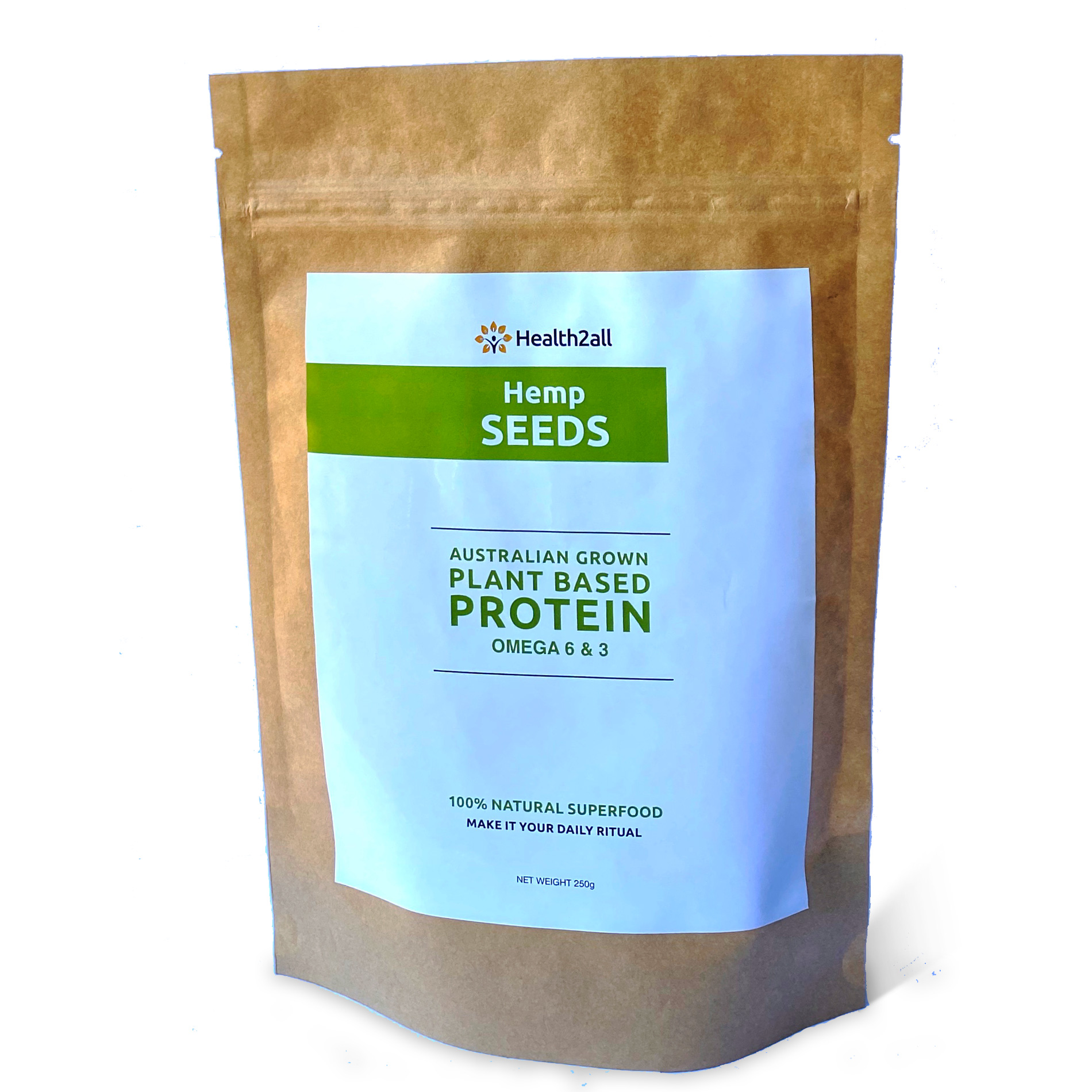
Hemp seeds are gaining popularity as a nutritious and versatile ingredient in various dishes. Packed with essential nutrients, they offer numerous health benefits. Let’s explore some of the key points about hemp seeds.
1. Hemp seed oil benefits: Hemp seed oil is rich in omega-3 and omega-6 fatty acids, which help promote healthy skin, hair, and nails. It also contains gamma-linolenic acid (GLA), which has anti-inflammatory properties.
2. Hemp seed protein content: Hemp seeds are an excellent source of plant-based protein, containing all nine essential amino acids. This makes them a great option for vegans or those looking to increase their protein intake.
3. Different types of hemp seeds: There are two main types of hemp seeds – hulled (or shelled) and unhulled (with the outer shell intact). Hulled hemp seeds have a milder flavor and softer texture, while unhulled seeds have a slightly nuttier taste.
4. Hemp seeds and weight loss: The high fiber content in hemp seeds can aid in weight management by promoting feelings of fullness and reducing appetite.
5. Hemp seeds and heart health: The balance of omega-3 and omega-6 fatty acids in hemp seeds may support cardiovascular health by reducing inflammation and improving cholesterol levels.
6. Hemp seeds and digestion: The fiber found in hemp seeds can help regulate digestion by promoting bowel regularity and preventing constipation.
7. Hemp seeds for skin health: The vitamins E and A present in hemp seed oil can nourish the skin, improving its overall appearance, hydration, and elasticity.
8. Hemp seeds and brain function: Omega-3 fatty acids play a crucial role in brain health, supporting cognitive function, memory retention, and focus.
9. Cooking with hemp seeds: You can incorporate hemp hearts into your diet by adding them to smoothies, salads, yogurt bowls or using them as a topping for various dishes.
10. Nutritional profile of hemp seeds: Hemp seeds are a nutritional powerhouse, containing high amounts of protein, healthy fats, fiber, vitamins (such as vitamin E and B vitamins), and minerals (including magnesium, potassium, and iron).
11. Hemp seeds and immune system support: The presence of antioxidants in hemp seeds can help boost the immune system’s function by protecting against cellular damage caused by free radicals.
12. Hemp seeds as a source of essential fatty acids: Hemp seeds are one of the best plant-based sources of omega-3 and omega-6 fatty acids that play a vital role in supporting overall health.
13. Incorporating hemp seeds into smoothies and shakes: Adding a tablespoon or two of hemp hearts to your favorite smoothie or shake can enhance its nutritional value while providing a pleasant nutty flavor.
14. Hemp seed milk recipes: You can make your own dairy-free milk alternative using hemp seeds by blending them with water and straining the mixture through a cheesecloth or nut milk bag.
15. Allergies to hemp seeds: While rare, some individuals may have allergies to hemp seeds. It is advisable to consult with an allergist if you experience any adverse reactions after consumption.
16. Sprouting hemp seeds at home: Sprouting unhulled hemp seeds can unlock their full nutritional potential while adding a fresh crunch to salads or sandwiches.
17. Using hemp seed flour in baking: Ground from hulled hemp hearts, this gluten-free flour alternative adds extra nutrients like protein and healthy fats to baked goods such as bread or cookies.
18. Roasting techniques for hemp seeds: Lightly roasting hulled hemp hearts at low temperatures enhances their taste profile without compromising their beneficial properties.
19. Fermenting hemp seeds for added nutritional benefits: Fermentation increases nutrient bioavailability in foods like hulled or crushed fermented hemp hearts which can be used in dressings or dips for an umami flavor.
20. The history of hemp seed consumption: Hemp seeds have been consumed for thousands of years, with evidence dating back to ancient civilizations in China and Europe.
21. Comparing the nutritional value of hemp seeds to other superfoods: Hemp seeds stand out as a nutrient-dense food, offering a wide range of vitamins, minerals, and essential fatty acids comparable to other popular superfoods like chia seeds or flaxseeds.
22. Growing your own hemp plants for seed production: Depending on local regulations, individuals can cultivate their own hemp plants for personal use, ensuring a fresh supply of nutritious hemp seeds.
23. The sustainability aspect of using hemp seeds in cooking: Hemp crops require minimal water and pesticides compared to other crops. Additionally, they can be grown organically and contribute to soil health through phytoremediation.
24. How to properly store and preserve hemp seeds: To maintain freshness and prevent rancidity, it is best to store hemp seeds in an airtight container in a cool, dark place such as the refrigerator or pantry.
25. Potential side effects or precautions when consuming hemp seeds: While generally safe for consumption, some individuals may experience digestive discomfort or minor allergic reactions. If you have any concerns or underlying medical conditions, consult with a healthcare professional before incorporating them into your diet.
Incorporating nutrient-rich hemp seeds into your diet can offer various health benefits while adding delicious flavors and textures to your meals. Whether you choose hulled or unhulled versions, experiment with different recipes to explore the versatility of this superfood ingredient.

Leave a Reply