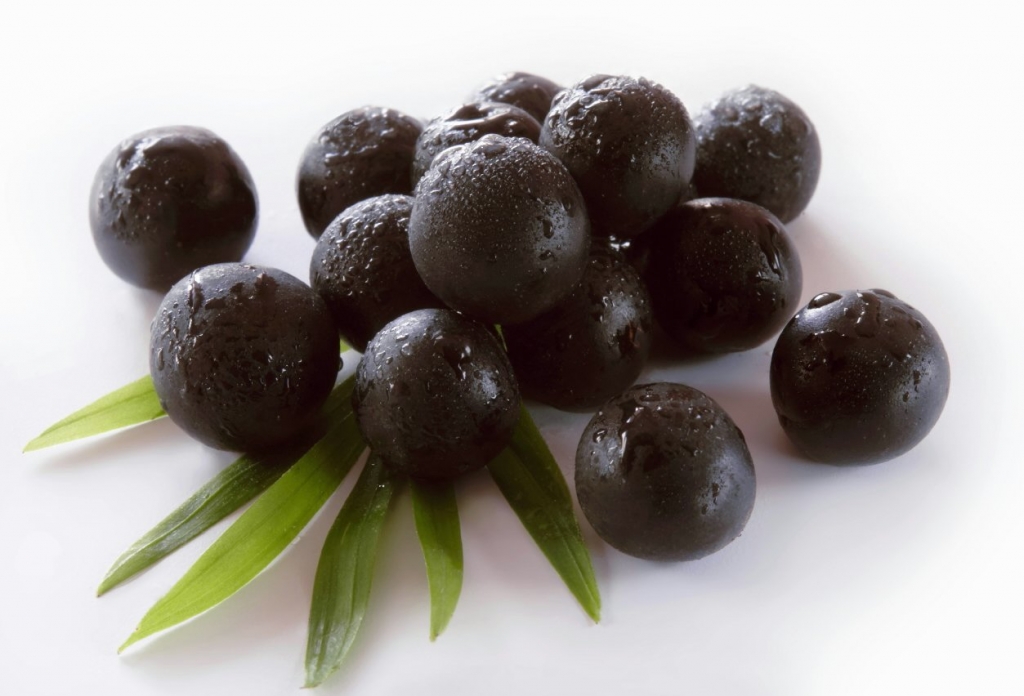
Acai and Anti-Aging: Exploring the Powerful Properties
In the quest for eternal youth, people have been searching for ways to slow down the aging process. While there may be no magic potion to turn back the hands of time, certain foods are known to possess powerful antioxidant properties that can help combat age-related damage. One such superfood is acai (pronounced ah-sah-EE), a small purple berry native to the Amazon rainforest in Brazil.
Acai berries are packed with an impressive array of nutrients, including vitamins A, C, and E, along with essential minerals like potassium and calcium. However, what truly sets them apart is their high concentration of antioxidants. Antioxidants play a crucial role in fighting free radicals – unstable molecules that cause oxidative stress and contribute to aging.
Free radicals can wreak havoc on our bodies by damaging cells and DNA over time. This damage leads to various signs of aging such as wrinkles, fine lines, sagging skin, and even chronic diseases like heart disease and cancer. By neutralizing these free radicals through antioxidants found in acai berries, we can potentially slow down this process.
Another aspect that makes acai beneficial for anti-aging is its potential ability to promote healthy skin. The abundance of vitamins and minerals present in acai helps nourish the skin from within while providing protection against harmful environmental factors such as UV radiation and pollution. Additionally, a study published in the Journal of Agricultural Food Chemistry suggests that extracts from acai berries may inhibit enzymes responsible for breaking down collagen – an essential protein that keeps our skin firm and elastic.
Furthermore, acai berries contain fatty acids like omega-3s which are known for their anti-inflammatory properties. Chronic inflammation has been linked to numerous age-related diseases such as arthritis, diabetes, Alzheimer’s disease, among others. By reducing inflammation in our body through regular consumption of foods rich in omega-3s like acai berries, we may be able to minimize the risk of developing these conditions.
While acai berries are available in various forms, it’s important to note that their antioxidant content is highest in the frozen pulp or freeze-dried powder. These forms preserve the nutrients more effectively compared to juices or supplements which often contain added sugars or have undergone processing methods that can degrade their nutritional value.
Incorporating acai into your diet can be as simple as adding a spoonful of frozen pulp to smoothies or bowls, mixing the powdered form into yogurt or oatmeal, or even enjoying it on its own as an antioxidant-rich snack. However, it’s crucial to remember that there is no magic bullet when it comes to anti-aging. A balanced diet rich in fruits and vegetables combined with other healthy lifestyle choices such as regular exercise and adequate sleep is key for overall well-being and maintaining youthful vitality.
In conclusion, while we cannot turn back time, including acai berries in our diet may help combat age-related damage by harnessing their powerful antioxidant properties. The abundance of vitamins, minerals, antioxidants, and anti-inflammatory compounds found in these small purple berries make them an excellent addition for anyone seeking natural ways to support healthy aging. Remember though; achieving optimal health requires a holistic approach where no single food can replace the benefits derived from following an overall healthy lifestyle.

Leave a Reply