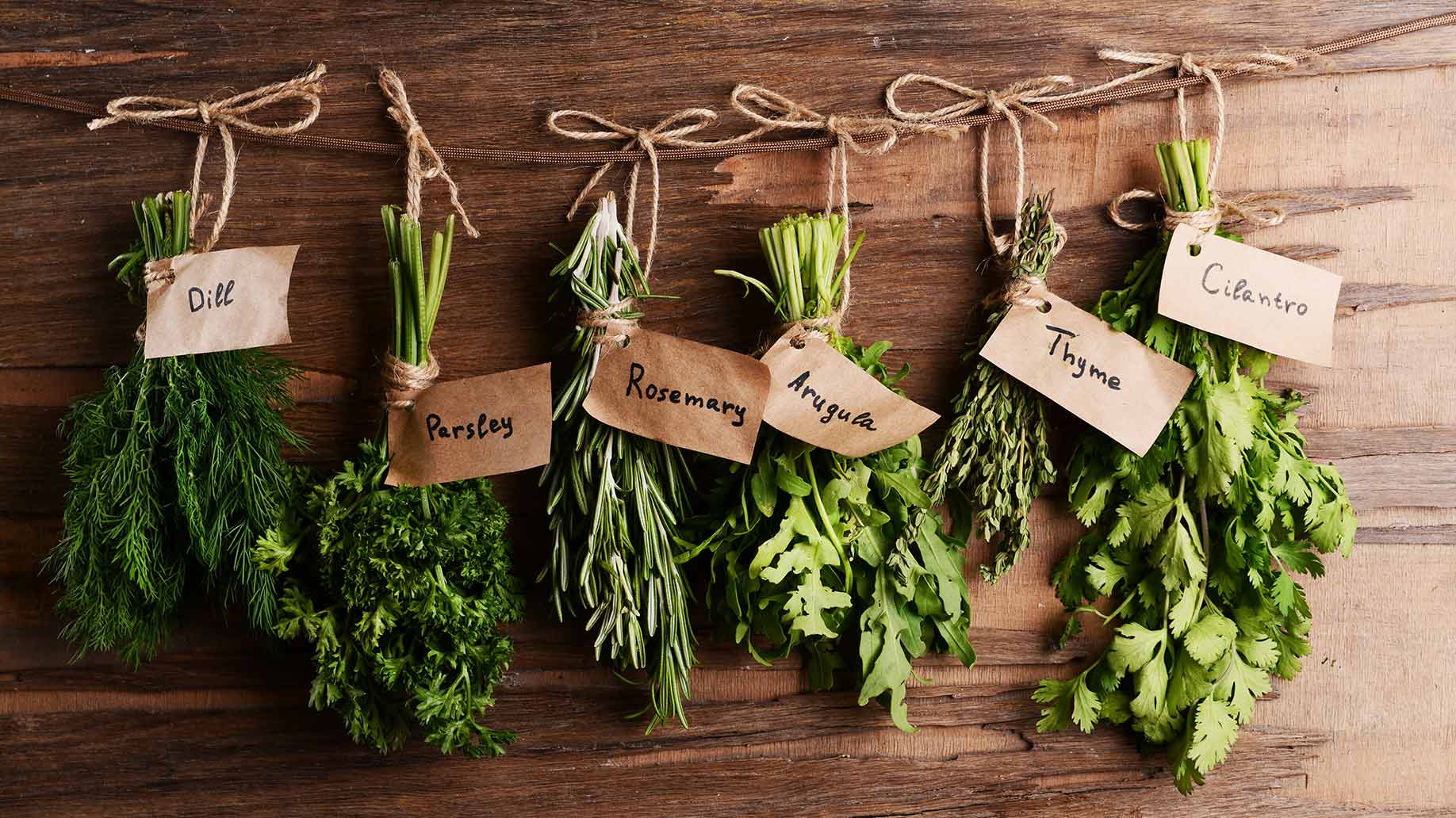
Homegrown herbs and spices add a burst of flavor to any dish while also providing numerous health benefits. Not only do they enhance the taste of your meals, but they are also packed with essential nutrients and medicinal properties. Growing your own herbs and spices at home is not only cost-effective but also allows you to have control over their quality and freshness. In this spotlight on organization style post, we will explore the advantages of growing herbs and spices at home, how to get started, popular varieties to consider, as well as tips for organizing your herb garden.
One of the primary benefits of growing herbs and spices in your backyard or even indoors is having access to fresh ingredients whenever you need them. Store-bought dried herbs often lose their potency over time due to prolonged storage periods. By cultivating your own plants, you can pick them just before using them in your recipes, ensuring optimal flavor and aroma.
Another advantage is that homegrown herbs are free from pesticides or other harmful chemicals commonly used in commercial farming practices. This means that by growing your own supply, you can be confident about consuming organic produce that contributes positively towards a healthier lifestyle.
Getting started with an herb garden is relatively easy regardless of whether you have a large outdoor space or limited room indoors. If you have a backyard or balcony space available, consider planting directly in the ground or using containers such as pots or raised beds. For those with limited space, indoor herb gardens can be created using hanging planters or small pots placed near windowsills where there’s ample sunlight.
When it comes to choosing which herbs and spices to grow at home, there are several popular options worth considering based on personal preference and culinary use. Some staples include basil, rosemary, thyme, oregano, parsley, mint, cilantro (coriander), sage, dill, chives – all versatile additions for various dishes like soups, salads, marinades or even homemade teas.
To keep your herb garden organized, it is helpful to group plants with similar water and sunlight requirements together. This makes it easier to provide the appropriate care for each type of herb. For example, herbs like rosemary and thyme prefer dry soil and require less frequent watering compared to basil or mint that thrive in moist conditions.
Labeling your herbs is another useful organizational tip. It can be done by placing small markers or tags near each plant, indicating their name and any additional information such as their flavor profile or specific culinary uses. This practice not only helps you identify the different herbs but also adds an aesthetic touch to your garden.
Regular pruning is essential for maintaining healthy herb plants while promoting growth. By trimming off excess branches or leaves regularly, you encourage new growth and prevent overcrowding which can lead to diseases or pests. Additionally, harvesting fresh herbs on a regular basis encourages bushier growth and ensures a steady supply of flavorful ingredients for your meals.
Proper storage of harvested herbs plays a crucial role in preserving their quality over time. Drying is one common method where you hang bundles of freshly harvested herbs upside down in a cool, dry place until they are fully dried out – usually within 1-2 weeks depending on the variety. Once dried, store them in airtight containers away from direct sunlight to maintain their potency. Alternatively, freezing or using methods like making herb-infused oils or vinegars are other creative ways to extend the shelf life while adding versatility in incorporating homegrown flavors into your cooking.
Growing your own herbs and spices at home not only brings immense satisfaction but also offers numerous health benefits along with cost savings by reducing reliance on store-bought options. From providing fresh ingredients bursting with flavor to ensuring organic produce free from harmful chemicals, cultivating an herb garden allows you to take control over what goes into your dishes while embracing nature’s bounty right at your doorstep.\

Leave a Reply