Veganism has steadily gained popularity over the years, not only for its health benefits but also for its positive impact on the environment. By excluding all animal products from their diet and lifestyle choices, vegans significantly reduce their carbon footprint and contribute to a more sustainable planet. Let’s explore some of the key environmental benefits of veganism.
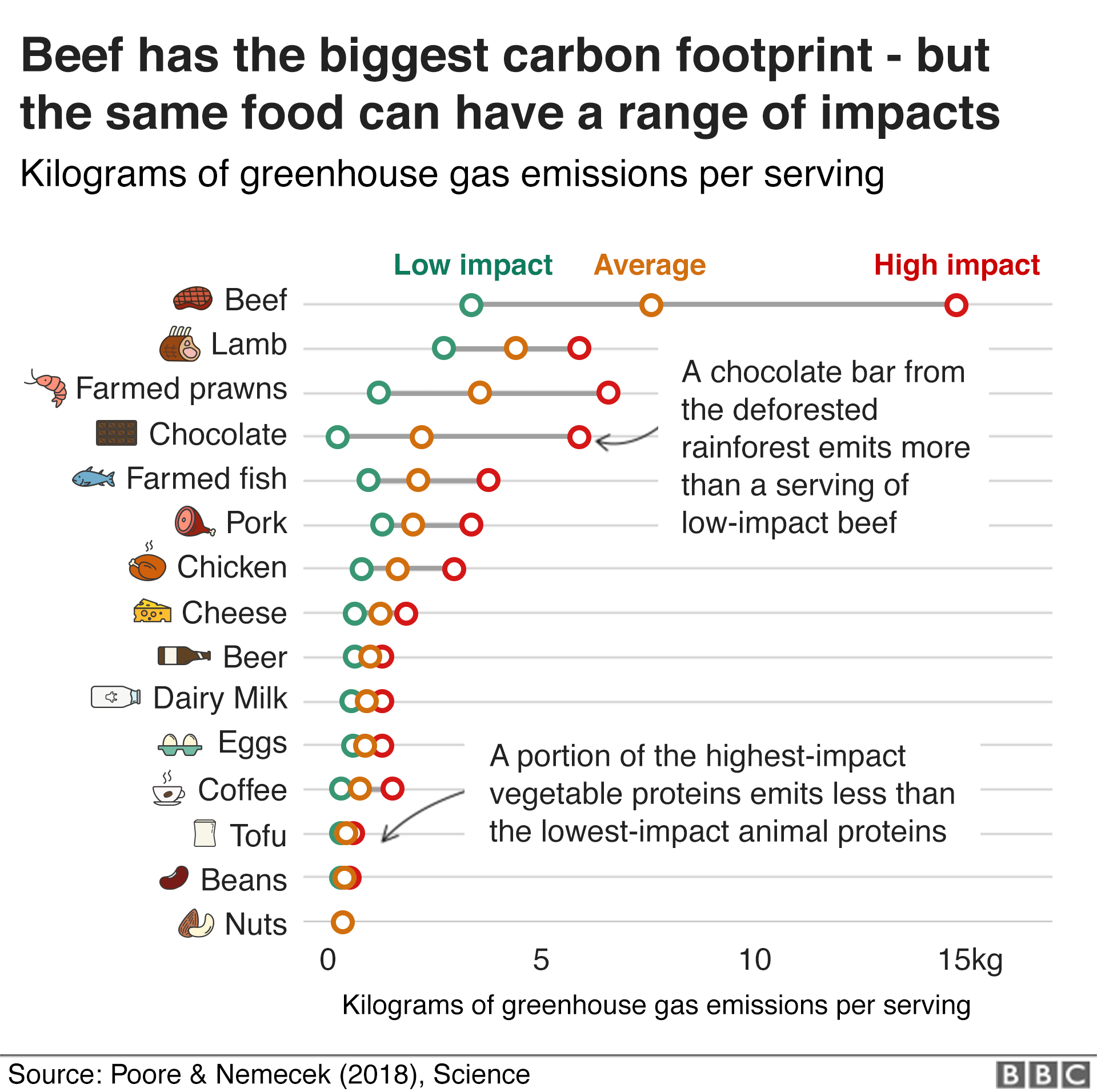
One of the most notable advantages is the reduction in greenhouse gas emissions. Livestock farming contributes to approximately 14.5% of global greenhouse gas emissions, primarily through methane released by cattle digestion and manure management. By opting for plant-based alternatives instead of meat and dairy products, vegans substantially lower these emissions, helping combat climate change.
Additionally, animal agriculture requires vast amounts of land and water resources. The production of meat relies heavily on deforestation to create grazing areas or grow crops for animal feed. This destruction leads to habitat loss, threatens biodiversity, and disrupts ecosystems. By adopting a vegan lifestyle, individuals indirectly minimize their contribution to deforestation while conserving precious natural resources like water.
Water scarcity is becoming an increasingly critical issue globally. Animal agriculture consumes massive amounts of water throughout various stages such as watering livestock or growing feed crops. In fact, it takes around 2,500 gallons (9,464 liters) of water to produce just one pound (0.45 kg) of beef! As vegans consume predominantly plant-based foods that require significantly less water in comparison, they help alleviate pressure on freshwater supplies.
Another aspect often overlooked is the pollution caused by intensive farming practices. Manure runoff from industrial farms contaminates rivers and oceans with harmful substances like nitrogen and phosphorus compounds that lead to eutrophication—a process where excessive nutrients cause algal blooms that deplete oxygen levels in aquatic environments—resulting in dead zones devoid of marine life. Veganism reduces demand for factory farming practices which contribute significantly to this form of pollution.
Furthermore, adopting a vegan diet also reduces the need for packaging associated with animal products. The meat and dairy industries generate substantial waste from packaging materials like plastic wrap, Styrofoam trays, and cans. By choosing plant-based alternatives, vegans contribute to less waste going into landfills.
In conclusion, veganism offers numerous environmental benefits that can positively impact our planet’s health. By reducing greenhouse gas emissions, deforestation rates, water consumption, pollution levels, and waste production associated with animal agriculture, individuals who choose a vegan lifestyle actively contribute to a more sustainable future. Making conscious choices about what we eat can have a profound effect on the environment and pave the way for a greener tomorrow.

Leave a Reply