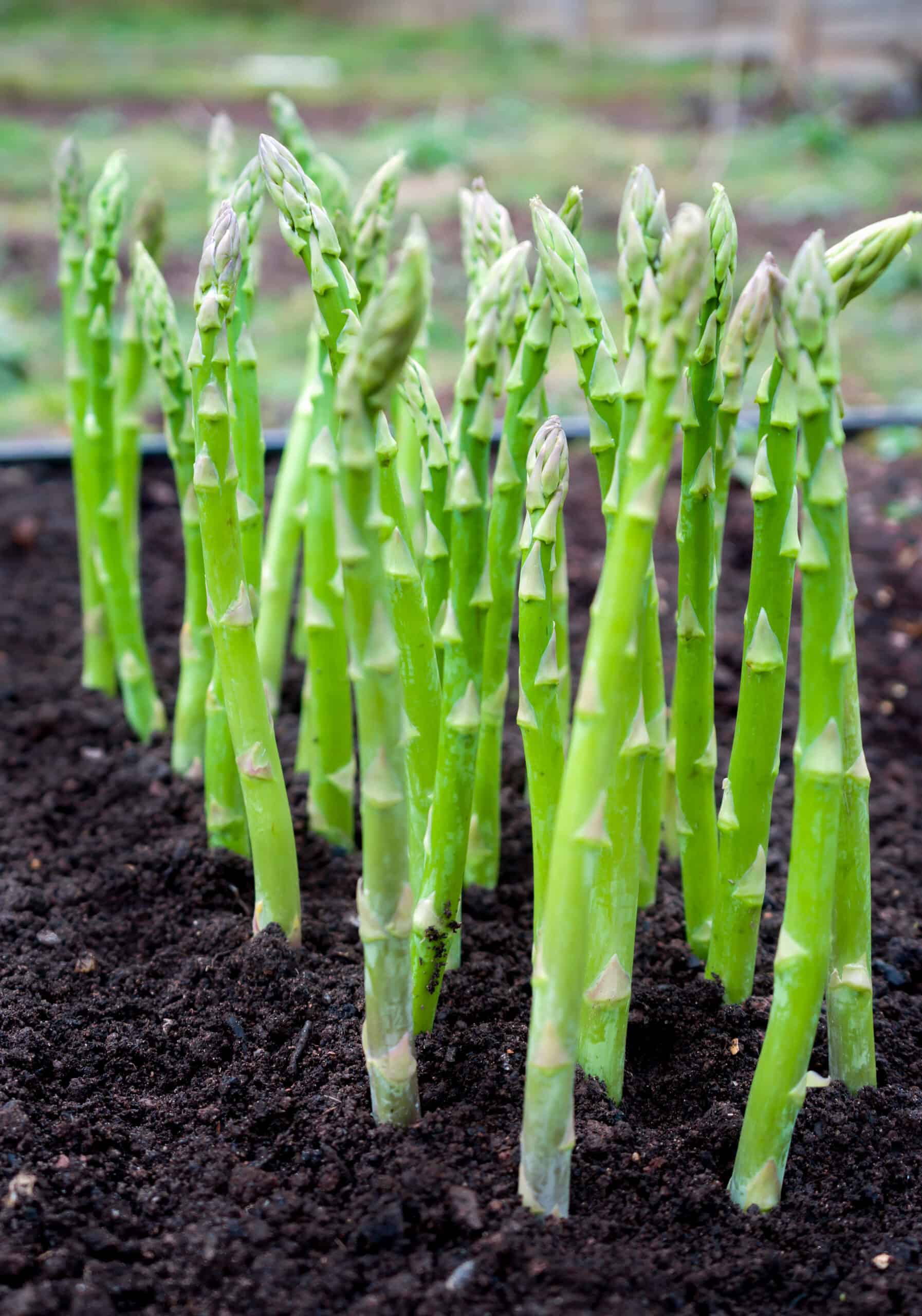
Growing your own asparagus at home can be a rewarding and delicious experience. Asparagus is not only a versatile vegetable but also packed with nutrients, making it an excellent addition to any healthy eating plan. In this comprehensive guide, we will walk you through the process of growing asparagus in your own garden or even in containers, ensuring that you have a bountiful harvest year after year.
Why Grow Your Own Asparagus?
Before we delve into the specifics of growing asparagus, let’s explore why it is worth considering adding this vegetable to your garden.
1. Freshness: When you grow asparagus yourself, you have access to fresh spears right from your garden. Unlike store-bought varieties that may have been shipped long distances and stored for days, homegrown asparagus offers unparalleled freshness and flavor.
2. Nutritious: Asparagus is a nutrient powerhouse! It is low in calories yet rich in vitamins A, C, E, and K. Additionally, it contains folate, iron, calcium, and fiber – all essential for maintaining good health.
3. Cost-effective: While there are initial expenses involved in setting up an asparagus bed or container garden, growing your own can save money over time compared to buying store-bought bunches regularly during the peak season.
4. Sustainability: By growing your own produce at home, you reduce reliance on intensive farming practices and minimize transportation emissions associated with food miles.
Now that we understand the benefits of growing our own asparagus let’s dive into how to get started:
Choosing the Right Variety
Asparagus comes in different varieties suited for various climates and preferences. Here are some popular choices:
1. Mary Washington: This variety is highly recommended for beginners due to its adaptability and disease resistance.
2. Jersey Giant: Known for its large-sized spears.
3. Purple Passion: Characterized by vibrant purple coloration; turns green when cooked.
4. UC157: A widely cultivated variety, known for its high yield and good disease resistance.
5. Martha Washington: An older variety that produces medium to large spears.
Consider your local climate, available space, and personal taste preferences when selecting the right asparagus variety for you.
Preparing the Soil
Asparagus thrives in well-draining soil with a pH level between 6.0 and 7.0. Here’s how to prepare your soil:
1. Clear the area: Remove any weeds or grass from the chosen planting site.
2. Loosen the soil: Use a garden fork or tiller to loosen compacted soil up to a depth of around 12-18 inches (30-45 cm).
3. Add organic matter: Incorporate compost or aged manure into the soil to improve its fertility and structure.
4. Test the pH level: Use a soil testing kit to determine if any amendments are necessary to achieve optimal conditions.
It is important to note that asparagus requires well-prepared beds as it can remain productive for up to 20 years in one location.
Planting Asparagus Crowns
Asparagus is typically grown from crowns – clumps of roots that have been dormant during winter but will sprout new shoots once planted in spring or early summer.
1. Dig trenches or furrows: Make trenches approximately 6-8 inches (15-20 cm) deep and about 12-18 inches (30-45 cm) wide.
2. Space rows apart: Leave about three feet (90 cm) between each row for better air circulation and ease of maintenance.
3. Soak crowns before planting: Prioritize fresh crowns over ones that have been stored for an extended period; soak them in water for around an hour before planting.
4. Place crowns carefully: Spread out the roots at the bottom of each trench, spacing them around 12-18 inches (30-45 cm) apart, and cover them with 2-3 inches (5-8 cm) of soil.
5. Gradually fill the trenches: As the shoots grow taller, gradually add more soil to the trench until it is level with the ground. This process is called “hilling.”
6. Water thoroughly: After planting, water generously to settle the soil around the crowns.
It’s important to note that asparagus requires patience as it takes roughly two years before you can start harvesting a full crop. However, once established, an asparagus bed can produce for many years.
Caring for Your Asparagus Bed
To ensure a healthy and productive asparagus bed, follow these care guidelines:
1. Mulching: Apply a layer of organic mulch such as straw or shredded leaves around your plants to suppress weeds and retain moisture in the soil.
2. Watering: Keep your asparagus bed consistently moist but not waterlogged throughout its growing season.
3. Fertilizing: In early spring, apply a balanced fertilizer according to package instructions or use compost/aged manure annually to replenish nutrients.
4. Weed control: Regularly remove any weeds that compete with your growing asparagus plants for resources.
5. Pest management: Monitor for common pests like aphids and beetles; handpick or use organic pest control methods if necessary.
Harvesting Asparagus
As mentioned earlier, patience is key when it comes to harvesting asparagus. Here are some guidelines on when and how to harvest:
1. Year one: Do not harvest any spears during the first year after planting; allow them to grow into ferns which will strengthen the roots for future production.
2. Year two onwards: Harvest only lightly during this second year – about 2-3 weeks – focusing on thicker spears while leaving thinner ones intact.
3. Full production stage (year three onwards): Harvest asparagus spears when they reach a height of about 6-8 inches (15-20 cm) and are approximately the thickness of your finger. Snap or cut them off at ground level using a sharp knife or scissors.
4. Harvest period: Typically, you can harvest asparagus over a 6 to 8-week period, depending on weather conditions and plant vigor.
Remember not to over-harvest, especially during the early years, as it can weaken the plants. Allow some spears to grow into ferns towards the end of each growing season; these ferns will provide energy for next year’s crop.
Storing and Enjoying Asparagus
To make the most of your homegrown asparagus:
1. Fresh consumption: Asparagus is best enjoyed immediately after harvesting. Store harvested spears in the refrigerator with their ends wrapped in a damp paper towel for up to one week.
2. Freezing: Blanch washed and trimmed asparagus spears in boiling water for two minutes before plunging them into ice-cold water. Drain well, pack in freezer-safe bags or containers, and freeze for up to six months.
3. Canning: Follow proper canning techniques if you wish to preserve your asparagus by canning it.
Conclusion
Growing your own asparagus at home allows you to savor its freshness while reaping numerous health benefits. By following our comprehensive guide on soil preparation, planting crowns, caring for your bed, harvesting correctly, and storing properly – soon enough, you’ll be enjoying delicious meals featuring homegrown asparagus throughout its long productive life span!

Leave a Reply