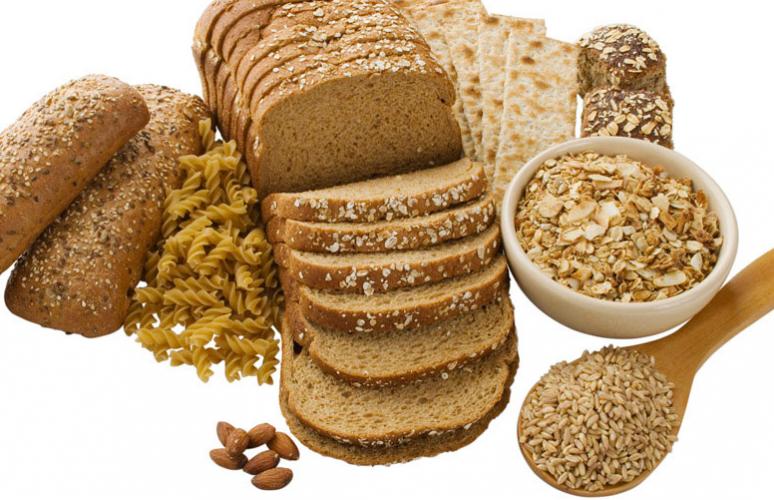
Whole Grain Options: A Guide to Healthy Eating
Introduction:
In recent years, there has been a growing emphasis on the importance of incorporating whole grains into our diets. Whole grains are an essential part of a healthy eating plan as they provide important nutrients and offer numerous health benefits. From reducing the risk of chronic diseases to aiding digestion and weight management, whole grain options have become increasingly popular among those seeking to improve their overall well-being.
What Are Whole Grains?
To understand the significance of whole grain options, it is crucial to first grasp what exactly constitutes a whole grain. Whole grains are cereals or seeds that contain all three parts of the grain kernel – the bran, germ, and endosperm – in their natural proportions. This means that unlike refined grains such as white flour or white rice which have had their bran and germ removed during processing, whole grains retain all their essential components.
Types of Whole Grains:
There are various types of whole grains available in the market today. Let’s explore some popular options:
1. Brown Rice:
Brown rice is an excellent choice for those transitioning from white rice to whole grain alternatives. It retains its bran layer and germ intact, providing more fiber, vitamins, minerals, and antioxidants than its refined counterpart.
2. Quinoa:
Although technically not a cereal grain but rather a pseudo-cereal seed, quinoa is widely considered a valuable source of nutrition due to its high protein content. It also contains essential amino acids that most other plant-based foods lack.
3. Oats:
Oats are commonly consumed in various forms like rolled oats or steel-cut oats (also known as Irish oats). They are rich in soluble fiber called beta-glucan which helps lower cholesterol levels and promote heart health.
4. Barley:
Barley is another versatile option packed with dietary fiber and antioxidants such as lignans which contribute to cardiovascular health. Pearl barley can be used in soups or stews, while barley flakes are perfect for breakfast porridge.
5. Whole Wheat:
Whole wheat is perhaps the most familiar whole grain option, commonly found in bread, pasta, and other baked goods. It offers a good source of fiber and nutrients such as magnesium and selenium.
6. Buckwheat:
Despite its name, buckwheat is not related to wheat but belongs to the same family as rhubarb. It is gluten-free and can be used to make delicious pancakes or soba noodles. Buckwheat contains antioxidants like rutin that support heart health.
7. Millet:
Millet grains are small and gluten-free with a slightly nutty flavor. They are rich in minerals such as magnesium and phosphorus and can be cooked similarly to rice or ground into flour for baking purposes.
Health Benefits of Whole Grains:
Including whole grain options in your diet has numerous health benefits:
1. Reduces Chronic Diseases: Consuming whole grains has been linked to a reduced risk of chronic diseases such as cardiovascular disease, type 2 diabetes, and certain types of cancer due to their high fiber content and antioxidant properties.
2. Supports Digestive Health: The fiber present in whole grains aids digestion by promoting regular bowel movements and preventing constipation. It also contributes to maintaining a healthy gut microbiome.
3. Weight Management: Whole grains provide greater satiety compared to refined grains because they take longer to digest, helping control appetite and potentially reducing calorie intake.
4. Improves Heart Health: The soluble fiber found in oats, barley, quinoa, among others helps lower cholesterol levels by binding with bile acids produced from cholesterol in the liver.
5. Enhances Nutrient Intake: Whole grains contain essential nutrients like B vitamins (niacin, thiamin), vitamin E, minerals (magnesium, iron), antioxidants (phytochemicals), all of which contribute significantly to overall well-being when consumed as part of a balanced diet.
Incorporating Whole Grain Options:
Now that we understand the importance and benefits of whole grain options, let’s explore ways to incorporate them into our daily meals:
1. Breakfast:
Swap out refined cereals for whole grain options like oatmeal or quinoa porridge topped with fresh fruits, nuts, and seeds. Alternatively, enjoy whole wheat toast with avocado or natural nut butter.
2. Lunch:
Opt for whole grain bread or wraps when making sandwiches or try using cooked barley instead of white rice in salads. Quinoa can also be used as a base for nourishing bowls packed with vegetables and protein.
3. Dinner:
Replace white pasta with whole wheat or buckwheat noodles in dishes like stir-fries or pasta primavera. Use brown rice instead of white rice as an accompaniment to curries, stews, and various other main courses.
4. Snacks:
Snack on air-popped popcorn – a whole grain option rich in fiber – rather than processed snacks like chips or crackers. Experiment with homemade granola bars made from oats and mixed dried fruits for a nutritious on-the-go snack.
Conclusion:
Incorporating diverse whole grain options into our diets is an essential step toward maintaining good health and overall well-being. From brown rice to quinoa, oats to barley, the choices are abundant and offer numerous benefits such as reducing chronic diseases, promoting healthy digestion, supporting weight management efforts, improving heart health, and enhancing nutrient intake. With some creativity in the kitchen and a willingness to explore new flavors and textures, embracing these wholesome grains can lead us down a path of healthier eating habits that positively impact every aspect of our lives.

Leave a Reply