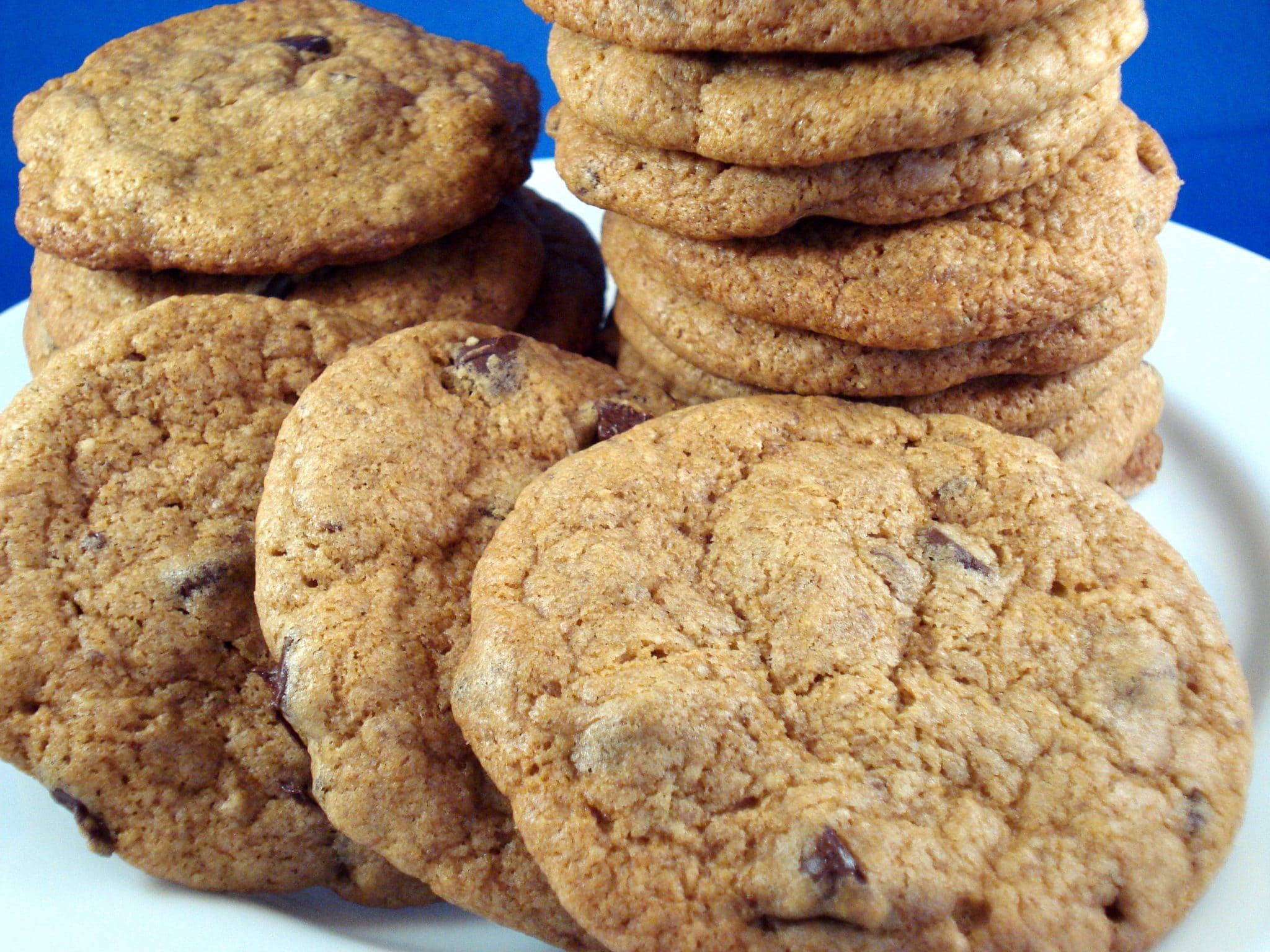
Gluten-Free Baking Tips: Creating Delicious and Healthy Treats
Gluten-free baking has become increasingly popular in recent years, as more people are adopting gluten-free diets due to various health reasons. Whether you have celiac disease, gluten sensitivity, or simply choose to avoid gluten for personal preferences, there’s no need to miss out on the joy of indulging in baked goods. With a few helpful tips and tricks, you can create delicious and healthy treats that everyone will love.
1. Choose the right flour mix: Gluten is what gives baked goods their structure and elasticity. When removing it from your recipes, you’ll need to replace it with a combination of alternative flours such as rice flour, almond flour, tapioca starch, or potato starch. Experiment with different blends until you find one that suits your taste and texture preferences.
2. Add binders: Since gluten is responsible for binding ingredients together in traditional baking recipes, incorporating binders like xanthan gum or guar gum into your gluten-free batters is essential for achieving the desired consistency.
3. Increase moisture content: Gluten-free flours tend to absorb more liquid than wheat-based flours. To prevent dryness in your baked goods, add extra moisture by using ingredients like applesauce, yogurt, buttermilk, or coconut milk.
4. Use eggs or egg substitutes: Eggs provide structure and stability in baking recipes; however if you’re following a vegan diet or have an egg allergy/intolerance consider using alternatives like flaxseed meal mixed with water or applesauce as egg replacements.
5. Don’t overmix: Overmixing can lead to dense and gummy textures in gluten-free baked goods. Mix until just combined to ensure lightness and proper rising during baking.
6. Allow for longer resting time: Gluten-free batters typically benefit from resting before baking—allowing the flours to hydrate fully helps achieve better texture results.
7. Be mindful of leavening agents: Some gluten-free flours may require additional baking powder or soda to help with rise and lightness. Check your recipe for any adjustments needed.
8. Experiment with different flavors: Gluten-free baking offers an opportunity to explore a wide range of flavors and ingredients. Don’t be afraid to experiment with spices, extracts, fruits, nuts, or chocolate chips to add depth and excitement to your creations.
9. Invest in quality bakeware: Gluten-free batters can sometimes be stickier than traditional ones. Investing in high-quality non-stick pans or using parchment paper can make the baking process easier and prevent sticking.
10. Monitor baking time closely: Due to the differences in texture and moisture content between gluten-free batters and conventional ones, it’s crucial to keep a close eye on your baked goods while they’re in the oven. Use toothpicks or cake testers to check for doneness.
11. Let it cool completely: Allow your gluten-free treats to cool completely before enjoying them. This will enhance both the taste and texture as they set during this time.
12. Practice patience: Gluten-free baking is a skill that takes practice and experimentation; don’t get discouraged if your first few attempts aren’t perfect! Keep trying new recipes, techniques, and ingredient combinations until you find what works best for you.
By following these tips, you’ll be well on your way to creating delicious gluten-free treats that will satisfy even the most discerning palates. Remember that while adapting recipes may seem daunting at first, with some creativity and perseverance, you’ll discover a whole new world of flavorful possibilities without compromising on health or taste!

Leave a Reply