The role of soluble fiber in reducing cholesterol levels:
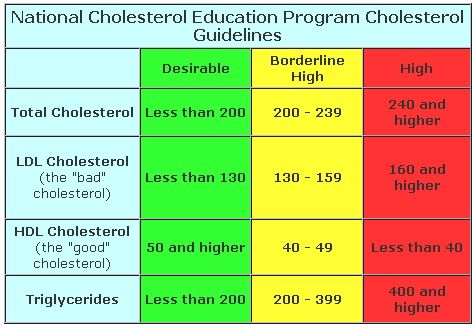
Soluble fiber is a type of dietary fiber that dissolves in water and forms a gel-like substance in the digestive tract. It has been well-documented for its ability to help reduce cholesterol levels, particularly LDL (low-density lipoprotein) or “bad” cholesterol.
When you consume foods rich in soluble fiber, such as oats, beans, lentils, apples, and citrus fruits, the soluble fiber binds with bile acids in your gut. Bile acids are made from cholesterol by your liver and stored in the gallbladder. By binding with these bile acids, soluble fiber prevents them from being reabsorbed into the bloodstream.
To compensate for this loss of bile acids, your liver needs to use more cholesterol to produce new bile acids. As a result, blood cholesterol levels decrease over time. This process is beneficial because high levels of LDL cholesterol can contribute to plaque buildup in the arteries and increase the risk of heart disease.
Lesser-known sources of insoluble fiber:
While most people are familiar with common sources of dietary fiber like whole grains and vegetables, there are also some lesser-known sources of insoluble fiber worth exploring. Insoluble fibers do not dissolve in water but instead add bulk to stool and help promote regular bowel movements.
One such source is chia seeds. These tiny black seeds pack a powerful punch when it comes to both insoluble and soluble fibers. Just two tablespoons provide almost 10 grams of total fiber! Another excellent source is psyllium husk powder which can be added to smoothies or used as a thickening agent while cooking.
Other lesser-known sources include flaxseeds, hemp seeds, pumpkin seeds, almonds, sunflower seeds,and popcorn without butter or excessive salt content.
How Fiber aids maintaining a healthy gut microbiome:
Fiber plays an essential role in maintaining a healthy gut microbiome – the collection of bacteria, fungi, and other microorganisms that reside in our digestive system. These microbes are crucial for proper digestion, nutrient absorption, and overall gut health.
The fermentation of fiber by gut bacteria produces short-chain fatty acids (SCFAs), such as butyrate, acetate, and propionate. SCFAs provide fuel for the cells lining the colon, helping to maintain a healthy intestinal barrier and reducing inflammation.
Additionally, fiber acts as a prebiotic – a substance that stimulates the growth or activity of beneficial bacteria in the gut. Certain types of fibers like inulin found in onions, garlic and chicory root are particularly effective at promoting the growth of beneficial bacteria like Bifidobacteria and Lactobacilli.
Including a variety of high-fiber foods such as whole grains, legumes, fruits, vegetables,and nuts can help support a diverse and thriving gut microbiome.
Fiber-rich foods for managing blood sugar levels:
High-fiber foods can be incredibly beneficial for managing blood sugar levels. When you consume carbohydrates from high-fiber sources instead of refined carbohydrates like white bread or sugary snacks your body digests them more slowly which leads to slower release glucose into the bloodstream. This helps prevent sudden spikes in blood sugar levels while providing sustained energy.
Some excellent options include whole grains like quinoa,brown rice,and oats; legumes such as lentils,chickpeas,and black beans; non-starchy vegetables including broccoli,kale,and Brussels sprouts;and fruits like berries,citrus fruits,and apples.
Incorporating these fiber-rich foods into your diet can help regulate blood sugar levels and reduce the risk of developing type 2 diabetes or manage its symptoms if already diagnosed with it.
The impact of fiber on weight management and satiety:
If you’re looking to manage your weight or feel fuller for longer periods between meals,fiber-rich foods should be an essential part of your diet. This is because fiber adds bulk to your meals without adding many calories, helping you feel satisfied while consuming fewer overall calories.
Fiber also slows down the digestion process, which can help regulate appetite and prevent overeating. High-fiber foods generally require more chewing, allowing time for the brain to receive signals of fullness.
Additionally, soluble fibers like glucomannan found in konjac root or psyllium husk powder forms a gel-like substance when mixed with water which can expand in your stomach and contribute to feelings of fullness.
Incorporating high-fiber foods into each meal can support weight management efforts and promote feelings of satiety throughout the day.
Fiber’s role in preventing constipation and promoting regular bowel movements:
One of the most well-known benefits of dietary fiber is its ability to prevent constipation and promote regular bowel movements. Insoluble fiber adds bulk to stool by absorbing water, making it easier for waste material to move through the digestive system.
It also helps soften the stool,making it easier to pass without straining or discomfort. By maintaining regularity, fiber reduces the risk of hemorrhoids or other digestive disorders associated with prolonged constipation.
Some excellent sources of insoluble fiber include whole wheat products such as bread,pasta,and cereal; bran from oats,rice,wheat; nuts like almonds,walnuts,and pistachios;seeds including flaxseeds,chia seeds,and sunflower seeds;and vegetables like broccoli,cabbage,and carrots
Including these high-fiber foods in your diet can help prevent constipation and promote healthy bowel movements.

Leave a Reply