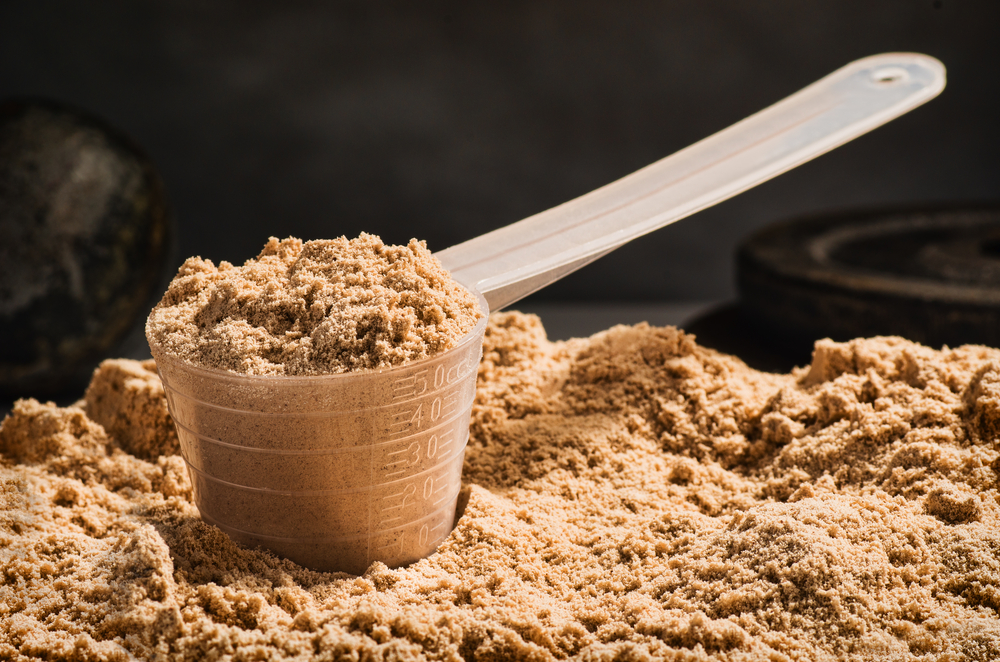
Welcome to today’s panel discussion on the topic of soy protein vs. pea protein powders. As more and more people are turning to plant-based diets or looking for alternative sources of protein, these two options have gained popularity in the fitness and health community. Today, we will explore the benefits and drawbacks of both soy and pea protein powders.
Let’s start with soy protein powder. Soy is a complete protein source, meaning it contains all essential amino acids our bodies need. It is also rich in vitamins, minerals, and antioxidants that promote overall health. Additionally, soy has been linked to reducing cholesterol levels and improving heart health.
However, some individuals may have concerns about consuming soy due to its association with allergies or hormonal effects. While most people tolerate soy well, those with a history of allergies should exercise caution when incorporating it into their diet.
Now onto pea protein powder. Pea protein is derived from yellow split peas and is also considered a complete protein source. Like soy, it provides all essential amino acids necessary for muscle growth and repair. Additionally, pea protein is easily digestible compared to other plant-based proteins like hemp or rice.
One advantage of pea protein over soy is that it generally does not cause allergic reactions as frequently as soy does since it is naturally free from common allergens like gluten or dairy products.
On the downside, some individuals find the taste of pea protein slightly earthy or gritty compared to other options available on the market.
In conclusion, both soy and pea proteins offer excellent alternatives for those seeking plant-based sources of high-quality proteins. Choosing between them ultimately depends on personal preferences such as taste preference or potential allergies one might have towards one ingredient over another.
Before making any dietary changes or introducing new supplements into your routine, we always recommend consulting with a healthcare professional or registered dietitian who can guide you based on your specific needs and goals.

Leave a Reply