Chia Seeds: A Powerful Ally in the Fight Against Cancer
In recent years, there has been a growing interest in superfoods that possess extraordinary health benefits. Among these nutritional powerhouses, chia seeds have emerged as one of the most popular choices due to their impressive nutrient profile and potential anti-cancer properties. In this article, we will delve into the science behind chia seeds and explore how they can potentially help prevent and fight cancer.
What are Chia Seeds?
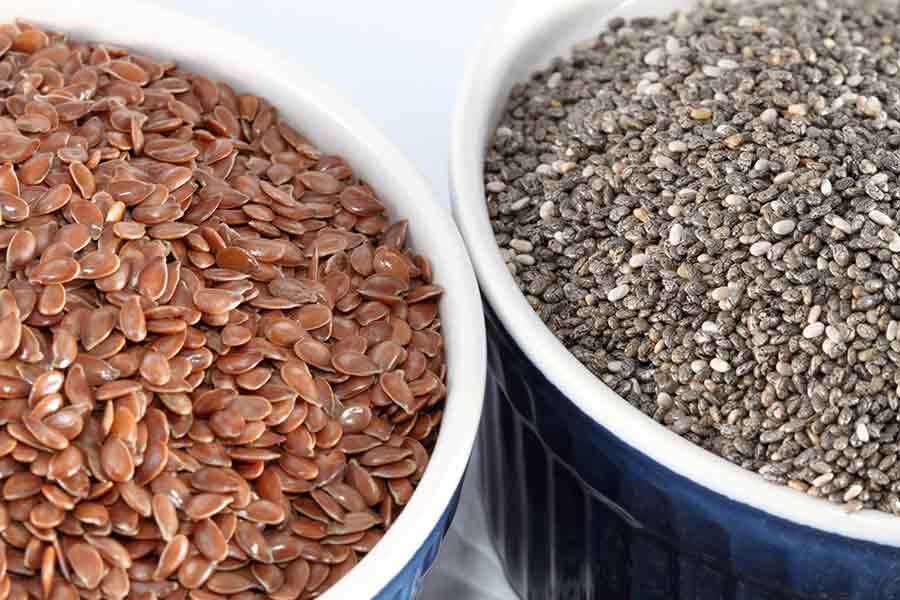
Chia seeds come from the Salvia hispanica plant, which is native to Mexico and Guatemala. These tiny black or white seeds were once a staple food for ancient civilizations like the Aztecs and Mayans. Today, they are widely recognized for their exceptional nutritional value.
The Nutritional Powerhouse
Despite their small size, chia seeds pack an incredible amount of nutrients:
1. Omega-3 Fatty Acids: Chia seeds are one of the richest plant sources of omega-3 fatty acids, specifically alpha-linolenic acid (ALA). Omega-3 fatty acids have been linked to various health benefits including reducing inflammation and supporting heart health.
2. Fiber: Just one ounce (28 grams) of chia seeds provides an impressive 11 grams of fiber—about one-third of your recommended daily intake! This high fiber content aids digestion, promotes satiety, and helps maintain healthy blood sugar levels.
3. Protein: Chia seeds are also a good source of plant-based protein. They contain all nine essential amino acids required by our bodies for optimal growth and repair.
4. Antioxidants: Chia seeds are rich in antioxidants such as flavonoids and phenolic compounds that help protect cells against oxidative stress caused by free radicals in our bodies.
5. Micronutrients: Chock-full of important minerals like calcium, magnesium, phosphorus, zinc, manganese,and potassium – just two tablespoons (about 28 grams) of chia seeds provide a significant portion of your daily nutrient needs.
Chia Seeds and Cancer Prevention
Now that we understand the nutritional value of chia seeds, let’s explore how they can potentially help in cancer prevention:
1. Anti-Inflammatory Properties: Chronic inflammation is associated with an increased risk of developing certain types of cancers. Chia seeds’ high omega-3 fatty acid content may help reduce inflammation in the body, thereby lowering the risk of cancer development.
2. Fiber and Digestive Health: Diets rich in fiber have been linked to a reduced risk of colorectal cancer. The abundant fiber content in chia seeds promotes regular bowel movements, preventing constipation and aiding in the removal of waste products from our bodies.
3. Antioxidant Defense: As mentioned earlier, chia seeds are loaded with antioxidants that help combat oxidative stress caused by free radicals. By neutralizing these harmful molecules, antioxidants play a crucial role in preventing DNA damage and mutations that can lead to cancer formation.
4. Omega-3 Fatty Acids against Breast Cancer: Several studies suggest that consuming foods rich in omega-3 fatty acids may lower the risk of breast cancer. While more research is needed on this topic, incorporating chia seeds into your diet as part of an overall balanced eating plan may have potential benefits.
5. Phytochemicals for Cellular Protection: Chia seeds contain phytochemicals such as lignans and phenolic compounds—plant-based compounds known for their protective effects against various types of cancers, including breast, prostate, colon, liver,and lung cancers.
Including Chia Seeds in Your Diet
Now that you’re aware of the potential anti-cancer properties found within chia seeds let’s discuss some simple ways to incorporate them into your diet:
1. Chia Pudding: Mix two tablespoons (about 28 grams)of chia seeds with one cup (250 mL) of your choice of milk (dairy or plant-based), a sweetener like honey or maple syrup, and any desired flavorings such as vanilla extract or cocoa powder. Allow the mixture to sit in the refrigerator for at least two hours until it thickens into a pudding-like consistency.
2. Smoothies: Add a tablespoon of chia seeds to your favorite smoothie recipe for an extra boost of fiber, protein, and omega-3 fatty acids.
3. Baking: Boost the nutritional value of baked goods by replacing some flour with ground chia seeds. You can also sprinkle whole chia seeds on top for added texture and visual appeal.
4. Salads and Yogurt Toppings: Sprinkle chia seeds on top of salads, yogurt bowls, or oatmeal to add a crunchy texture along with all the health benefits they provide.
5. Chia Egg Substitute: Mix one tablespoon of ground chia seeds with three tablespoons of water to substitute for one egg in baking recipes that require binding agents.
Precautions
While chia seeds are generally safe for consumption, there are few precautions you should keep in mind:
1. Allergies: Some individuals may be allergic to chia seeds. If you notice any adverse reactions after consuming them, discontinue use and consult your healthcare provider.
2. Digestive Issues: If you have digestive conditions like diverticulitis or difficulty swallowing due to certain medical conditions,speak with your doctor before incorporating large amounts of chia seeds into your diet as they can expand when exposed to liquids.
Conclusion
Chock-full of essential nutrients, antioxidants,and potentially cancer-fighting compounds,chia seeds have rightfully earned their superfood status in recent years.Evidence suggests that their anti-inflammatory properties,fiber content,and high concentrationsof omega-3 fatty acids contribute to their potential role in cancer prevention.However,it is importantto remember that no single food can guarantee protection against cancer. A well-balanced diet with a variety of nutrient-dense foods, along with other healthy lifestyle choices, remains key to maintaining overall health and reducing the risk of chronic diseases like cancer.So,don’t rely solely on chia seeds,but do consider incorporating them into your diet as part of a holistic approach to healthy living!

Leave a Reply