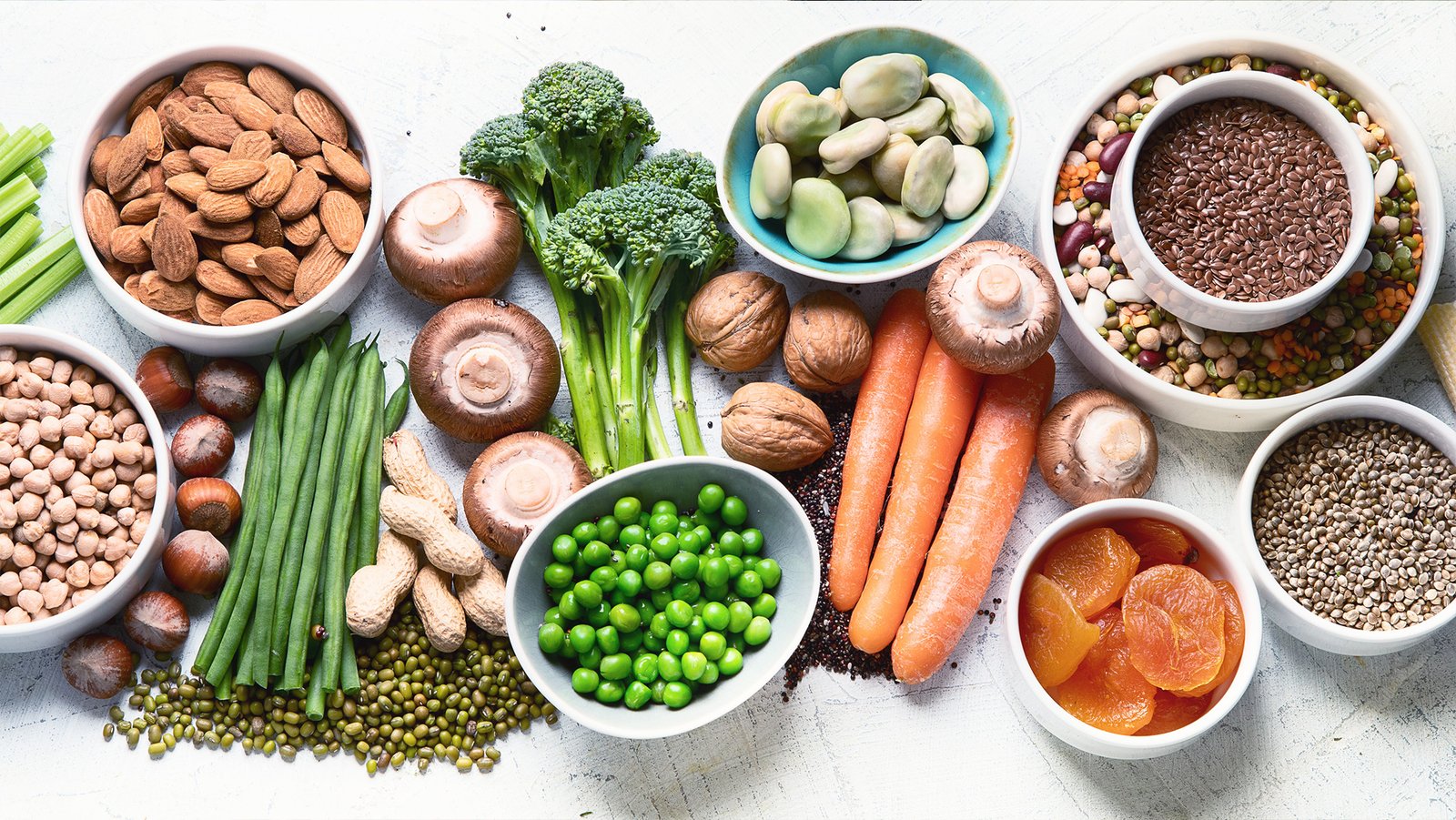
Addressing Common Misconceptions About Plant-Based Proteins
When it comes to healthy eating, one of the hottest trends in recent years has been the rise of plant-based proteins. From veggie burgers to tofu stir-fries, these meat alternatives have captured the attention and taste buds of people around the world. However, along with their growing popularity, there are also plenty of misconceptions surrounding plant-based proteins. In this article, we will debunk some common myths and shed light on the truth about these nutritious sources of protein.
Misconception #1: Plant-based proteins lack essential amino acids.
One myth that often circulates is that plant-based proteins do not contain all nine essential amino acids needed by our bodies. While it is true that most plant proteins are incomplete in terms of amino acid profile when compared to animal proteins, this doesn’t mean they cannot provide all necessary amino acids. By combining different plant protein sources throughout the day (e.g., legumes with whole grains or nuts/seeds), you can easily obtain a complete range of amino acids.
Misconception #2: Plant-based proteins are low in protein content.
Another misconception is that plant foods are inherently low in protein content and cannot rival animal products in terms of their protein levels. This couldn’t be further from the truth! Many plants pack a surprising amount of protein per serving. For example, just one cup of cooked lentils contains about 18 grams of protein – comparable to a large egg or three ounces of chicken breast.
Misconception #3: Plant-based proteins lack flavor and variety.
Some people believe that opting for plant-based proteins means sacrificing taste and variety in their meals. However, this couldn’t be farther from reality! With an abundance of options available today – from tempeh and seitan to chickpeas and quinoa – there is no shortage when it comes to flavorful and diverse plant-based protein sources.
Misconception #4: Plant-based proteins are expensive.
There is a common misconception that plant-based protein sources are more expensive than their animal counterparts. While it’s true that some specialty products can be pricier, such as pre-packaged vegan meat alternatives or organic products, there are plenty of affordable options available. Legumes like beans and lentils, for instance, are incredibly cheap yet packed with protein. Incorporating these into your meals can help you save money while still getting the protein your body needs.
Misconception #5: Plant-based proteins lack nutrients.
Many people worry that by cutting out animal products and relying solely on plant-based proteins, they may miss out on essential nutrients. However, with proper planning and a balanced diet, this concern is easily addressed. A variety of plant foods not only provide sufficient protein but also offer an array of vitamins, minerals, and antioxidants vital for overall health. By incorporating a diverse range of fruits, vegetables, whole grains, nuts, and seeds into your diet alongside plant-based proteins like tofu or edamame beans, you can ensure you’re meeting all your nutritional needs.
Misconception #6: Plant-based proteins don’t build muscle as effectively.
A popular myth among gym enthusiasts is that animal protein sources reign supreme when it comes to building muscle mass. While it’s true that some studies suggest animal proteins may have a slight advantage in terms of muscle synthesis due to their higher leucine content (an amino acid involved in muscle growth), this does not mean that plant-based proteins cannot support muscle development effectively. As mentioned earlier regarding amino acids’ completeness by combining various plant protein sources strategically throughout the day – along with proper strength training – individuals following a plant-focused diet can achieve their fitness goals just as well.
Misconception #7: Plant-based proteins lack bioavailability.
Bioavailability refers to how well our bodies absorb and utilize the nutrients from food sources. Some argue that plant-based proteins have lower bioavailability compared to animal proteins. While it is true that some plant foods contain certain compounds that can inhibit nutrient absorption, this concern can be easily addressed by proper food preparation techniques. Soaking legumes before cooking or pairing iron-rich plant foods with vitamin C sources are simple ways to enhance the bioavailability of nutrients found in plant-based proteins.
Misconception #8: Plant-based proteins are only for vegans and vegetarians.
While it’s true that vegans and vegetarians rely heavily on plant-based protein sources, they are not the only ones who can benefit from including them in their diets. Incorporating more plants into your meals – regardless of your dietary preferences – can offer a range of health benefits. By diversifying protein sources and reducing reliance on animal products, you can enjoy improved cardiovascular health, lower cholesterol levels, and decreased risk of chronic diseases.
In conclusion, there are numerous misconceptions surrounding plant-based proteins that need debunking. From concerns about amino acid profiles to worries about taste and cost, many people may hesitate to embrace these nutritious alternatives fully. However, by understanding the facts and incorporating a wide range of plant foods into your diet while being mindful of nutritional balance, you can reap the benefits of these protein powerhouses without sacrificing taste or variety. So go ahead – give those lentils a try! Your body (and taste buds) will thank you!

Leave a Reply