Complex Carbohydrates and Blood Sugar Control: Everything You Need to Know
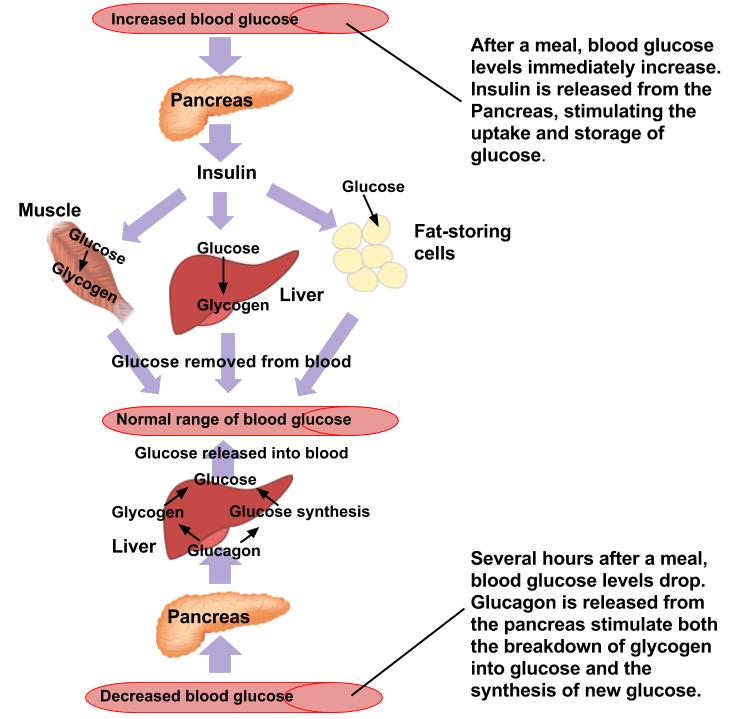
Maintaining stable blood sugar levels is essential for overall health and well-being. One key factor in managing blood sugar is understanding the role of carbohydrates in our diet. While all carbohydrates affect blood sugar, complex carbohydrates have a gentler impact compared to simple sugars. In this article, we will explore what complex carbohydrates are, how they differ from simple sugars, and their importance in regulating blood sugar levels.
1. What Are Complex Carbohydrates?
Complex carbohydrates are long chains of sugar molecules that take longer to break down during digestion. They contain three or more sugars and can be found in whole grains, legumes, fruits, vegetables, and starchy foods like potatoes and corn.
2. How Do Complex Carbohydrates Differ from Simple Sugars?
Simple sugars consist of one or two sugar molecules that are quickly absorbed into the bloodstream after consumption. This rapid absorption causes a sudden spike in blood sugar levels. On the other hand, complex carbohydrates require more time for digestion due to their intricate structure.
3. The Glycemic Index (GI)
The glycemic index (GI) is a scale that measures how quickly different foods raise blood glucose levels compared to pure glucose (which has a GI value of 100). Foods with a low GI release glucose slowly into the bloodstream over time; these include most complex carbohydrate sources.
4. Slow Release of Energy
Due to their slower digestion process, complex carbohydrates provide a steady release of energy over an extended period compared to simple sugars that offer quick bursts but then leave you feeling drained shortly after consumption.
5. Fiber Content
One crucial aspect distinguishing complex carbs from simple sugars is fiber content. Complex carbohydrate sources typically have higher fiber content than refined grains and sugary snacks because they retain more natural plant fibers during processing.
6. High-Fiber Foods Aid Blood Sugar Control
Foods rich in dietary fiber help regulate blood sugar levels by slowing down the absorption of glucose into the bloodstream. This helps prevent sudden spikes and crashes, promoting stable energy levels throughout the day.
7. Improved Satiety
Complex carbohydrates are often more filling than simple sugars since they take longer to break down during digestion. Including complex carbs in your meals can help you feel satisfied for longer periods, reducing the likelihood of overeating or reaching for unhealthy snacks.
8. Nutritional Benefits
Whole grains, a common source of complex carbohydrates, provide essential nutrients like vitamins, minerals, and antioxidants that are beneficial for overall health. By incorporating whole grains into your diet, you not only manage blood sugar but also nourish your body with vital nutrients.
9. Choosing Complex Carbohydrates Wisely
When selecting complex carbohydrate sources, opt for unprocessed or minimally processed foods like brown rice, quinoa, whole wheat bread, oats, legumes (beans and lentils), fruits with skin intact (such as apples and berries), and non-starchy vegetables.
10. Balancing Your Plate
To maintain stable blood sugar levels throughout the day while enjoying a variety of nutrients from different food groups, it is essential to balance your plate by including complex carbohydrates alongside lean proteins and healthy fats.
11. Portion Control Matters
While complex carbohydrates are generally healthier options than simple sugars when it comes to blood sugar control, portion sizes still matter. Overconsumption can lead to an excessive intake of calories which may eventually affect blood sugar levels negatively.
12. Individual Variations
It’s important to remember that individual responses to different foods can vary significantly due to factors such as genetics and metabolism. Monitoring how specific complex carbohydrate sources affect your own blood sugar levels will help tailor your diet accordingly.
Incorporating complex carbohydrates into our daily meals is crucial for maintaining stable blood sugar levels and overall health. By choosing high-fiber sources wisely and balancing our plates with other nutritious elements, we can optimize our diet and enjoy the benefits of long-term blood sugar control. Remember, small changes in your eating habits can lead to significant improvements in your well-being.

Leave a Reply