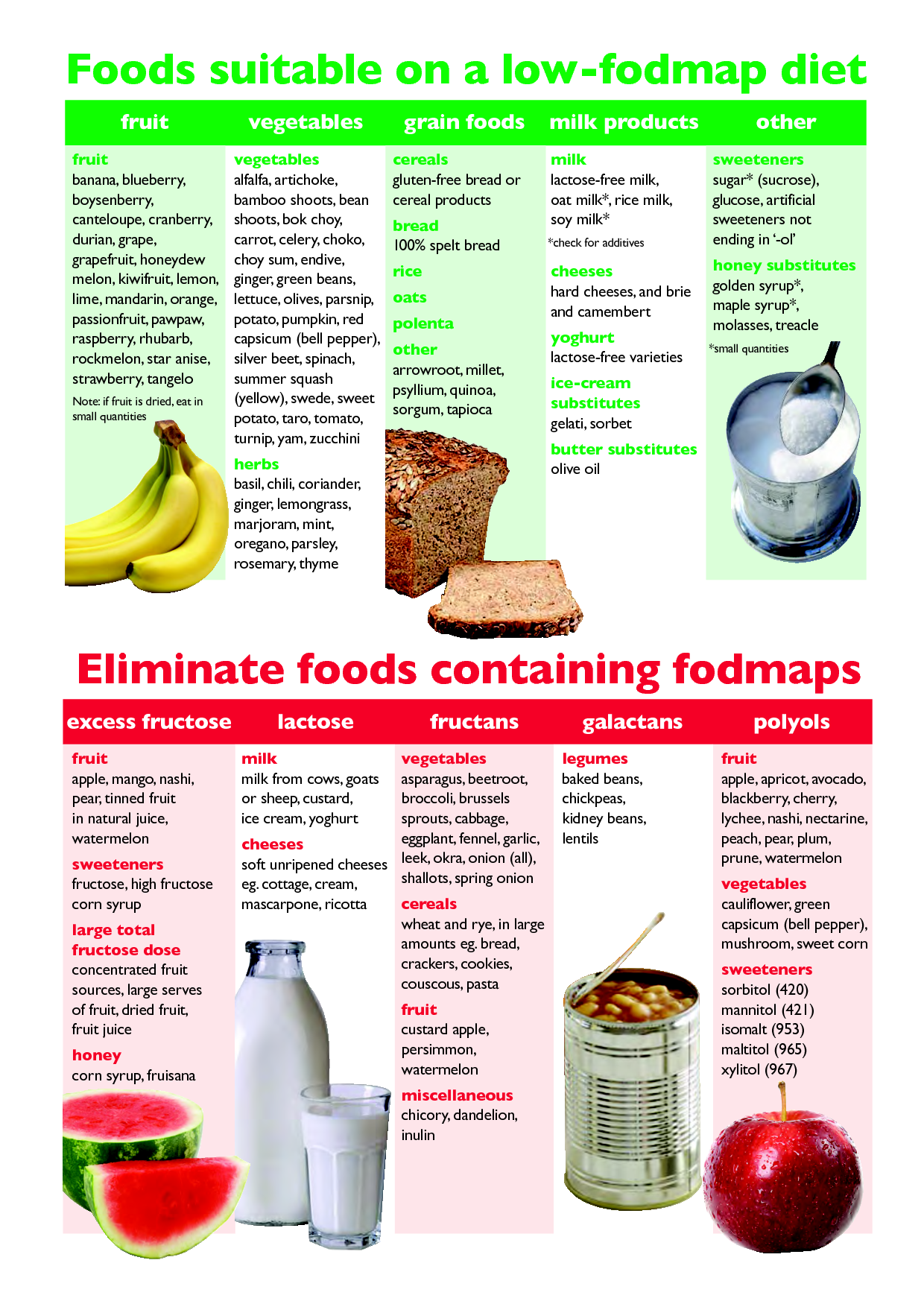
The FODMAP diet has gained significant popularity in recent years for its potential benefits in managing digestive health issues. FODMAPs are a group of carbohydrates that can be difficult to digest and may cause symptoms like bloating, gas, and stomach pain in some individuals. This diet aims to eliminate or restrict certain high-FODMAP foods to alleviate these symptoms. If you’re considering trying the FODMAP diet, here are 15 things you should know:
1. What does FODMAP stand for? – FODMAP is an acronym that stands for Fermentable Oligosaccharides, Disaccharides, Monosaccharides And Polyols.
2. Which foods are high in FODMAPs? – High-FODMAP foods include wheat, onions, garlic, legumes, dairy products containing lactose, apples, pears, honey, and certain artificial sweeteners.
3. The elimination phase: During the initial phase of the diet (typically 2-6 weeks), all high-FODMAP foods are removed from your diet to identify which ones trigger your symptoms.
4. The reintroduction phase: After the elimination phase, individual food groups with specific types of FODMAPs are gradually reintroduced one at a time to determine your tolerance level.
5. It is recommended to work with a registered dietitian experienced in the FODMAP approach as they can guide you through each stage of the diet effectively.
6. Keep a food diary throughout the process to track your symptoms after consuming different foods and help identify triggers accurately.
7. Understand that everyone’s tolerance levels vary when it comes to specific high-FODMAP foods; what might trigger symptoms in one person might not affect another person at all.
8. Be aware that while following this diet strictly during the elimination phase may provide relief from gastrointestinal symptoms initially—long-term adherence is not necessary or recommended for everyone.
9. Nutritional deficiencies can be a concern while following the FODMAP diet, as certain food groups are restricted. Consult with a dietitian to ensure you’re meeting your nutrient requirements.
10. The FODMAP diet is not a weight-loss plan; its primary focus is on managing gastrointestinal symptoms associated with irritable bowel syndrome (IBS) and other digestive disorders.
11. It’s essential to have patience and give yourself time to adjust to the dietary changes, as it may take several weeks or even months to see significant improvements in symptoms.
12. Cooking methods can affect the FODMAP content of foods; for example, roasting garlic may reduce its FODMAP levels compared to eating it raw.
13. Low-FODMAP alternatives exist for many high-FODMAP foods, such as gluten-free grains like quinoa or rice instead of wheat-based products and lactose-free dairy options.
14. Stress management techniques like mindfulness meditation or gentle exercise can complement the FODMAP diet by helping reduce stress-related gastrointestinal symptoms.
15. Always consult with a healthcare professional before beginning any new diet or making significant changes to your eating habits, especially if you have underlying health conditions or are taking medications that could interact with dietary modifications.
Remember, the FODMAP diet is meant as a tool to help manage digestive issues, but it might not be suitable for everyone. Working closely with a medical professional will ensure that this approach aligns well with your specific needs and health goals.

Leave a Reply