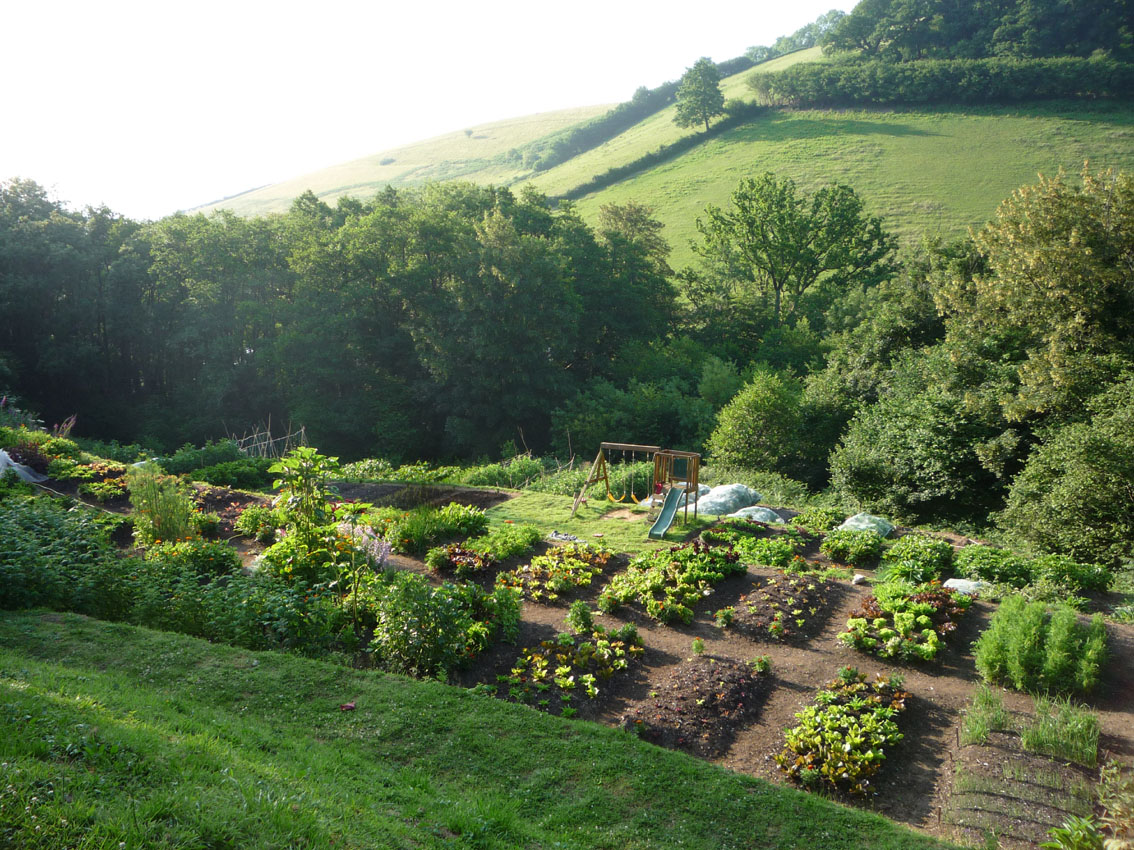
Permaculture Design: A Sustainable Approach to Healthy Eating
In recent years, there has been a growing interest in sustainable living and organic food production. Permaculture design is an innovative approach that combines ecological principles with agriculture to create self-sustaining systems. This holistic system not only promotes healthy eating but also provides numerous benefits for the environment.
At its core, permaculture design aims to mimic natural ecosystems by integrating different elements such as plants, animals, and microorganisms. By understanding the relationships between these components, permaculturists can create resilient and productive food gardens.
One of the key principles of permaculture design is creating biodiversity. Instead of relying on single-crop monocultures, permaculturists cultivate a diverse range of plants that mutually benefit each other. For example, certain plants may attract beneficial insects or provide shade for others. This approach reduces the need for chemical pesticides and fertilizers while promoting natural pest control.
Another important element in permaculture design is water conservation. Through techniques like rainwater harvesting and swales (contour ditches), water is efficiently managed within the system. By using mulch and planting water-retaining species like fruit trees, soil moisture levels are enhanced, reducing irrigation needs significantly.
Furthermore, permaculture design emphasizes soil health through the use of composting methods such as vermiculture (using worms) or bokashi (fermentation). These practices enrich the soil with nutrients naturally while minimizing waste production.
Permaculture also encourages energy efficiency by utilizing renewable resources like solar panels or wind turbines to meet energy needs on-site. Additionally, passive heating and cooling systems are incorporated into building designs to minimize reliance on fossil fuels.
The benefits of permaculture extend beyond sustainability; they directly impact our well-being too. By consuming food produced through this regenerative method, we reduce exposure to harmful chemicals commonly found in conventional farming practices.
In conclusion, adopting permaculture design principles is a fantastic way to promote healthy eating while embracing sustainable living. By mimicking natural ecosystems, permaculturists create resilient and productive food gardens that conserve water, enhance soil health, and reduce the need for chemical inputs. With its focus on biodiversity and energy efficiency, permaculture offers an innovative solution for individuals seeking a healthier and more sustainable lifestyle.

Leave a Reply