Blackberries, with their juicy and flavorful berries, are a delight to have in any garden. Not only are they delicious to eat, but they also offer several health benefits. Packed with antioxidants, fiber, and vitamins, blackberries make for an excellent addition to a healthy eating routine. If you’re considering growing your own blackberries at home, this guide will provide you with some helpful tips to ensure a successful harvest.
1. Choosing the Right Variety
When it comes to blackberry cultivation, selecting the right variety is crucial. There are three main types of blackberries: erect thorny varieties, erect thornless varieties, and trailing varieties. Erect thorny plants tend to be more vigorous but require additional support due to their height and aggressive nature. Erect thornless plants are easier to manage since they lack prickly stems but may need trellises or stakes for support. Trailing varieties have long canes that grow along the ground or climb fences naturally.
2. Preparing the Soil
Blackberries thrive in well-draining soil rich in organic matter. Before planting your blackberry bushes, prepare the soil by removing any weeds or grass from the area where they will be planted. Incorporate compost or well-rotted manure into the soil to improve its fertility and drainage capabilities.
3. Planting Blackberry Bushes
The ideal time for planting blackberry bushes is early spring when there is no longer a risk of frost damage. Space each plant about 3-4 feet apart if you’re growing erect varieties; however, if you’re cultivating trailing types, space them 5-6 feet apart as they need more room for growth.
Dig a hole large enough so that when placed inside it, the root ball sits level with or slightly above ground level (depending on your climate). This helps prevent water pooling around the crown of the plant which could lead to rotting.
Gently spread out the roots and backfill the hole, firming the soil around the base of the plant. Water thoroughly after planting to settle the soil.
4. Providing Support
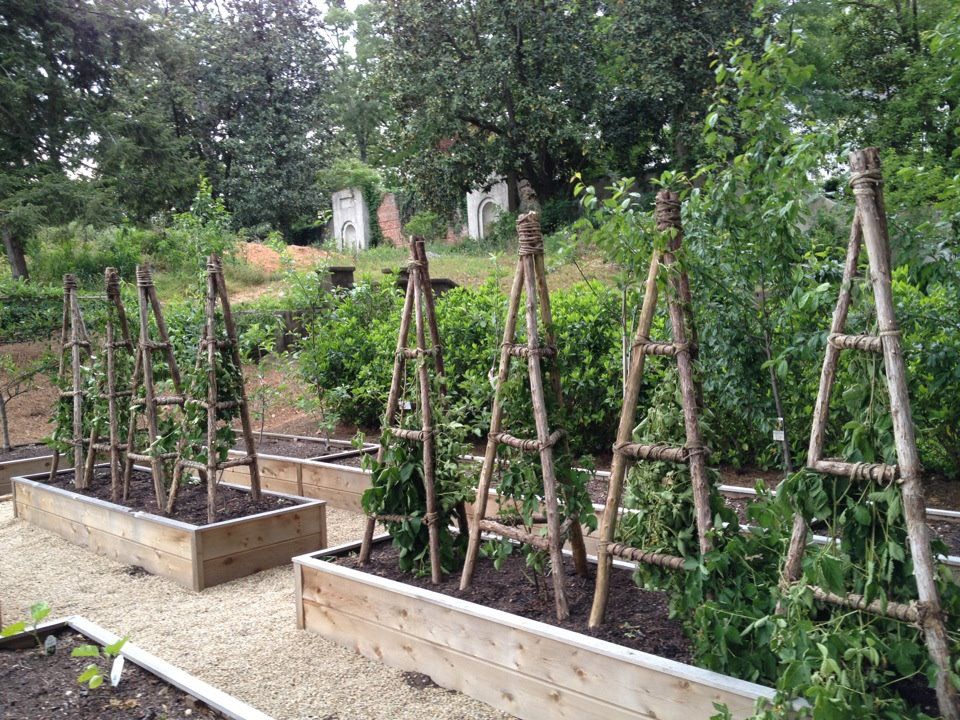
As mentioned earlier, erect thorny blackberries and some thornless varieties require support to prevent their canes from toppling over under the weight of fruit. Install a trellis system or stakes for each row of plants to provide adequate support. Trailing varieties may not need support as they naturally grow along fences or walls.
5. Watering and Mulching
Blackberries have shallow root systems that require consistent moisture, especially during dry spells or when fruits are forming. Water deeply once a week, providing approximately one inch of water per week during summer months. Applying mulch around your blackberry bushes helps retain moisture in the soil while suppressing weed growth.
6. Pruning Blackberry Canes
Pruning is an essential part of blackberry cultivation that promotes healthier plants and higher yields. During late winter or early spring before new growth appears, remove damaged or weak canes as well as any canes that fruited in the previous year (these are called floricanes). Thin out overcrowded areas by cutting back excess canes at ground level.
For trailing varieties, train them along fences or walls by tying them loosely with twine to encourage upward growth.
7. Fertilizing Blackberries
Blackberries benefit from regular fertilization to ensure optimal growth and fruit production. Apply a balanced fertilizer in early spring before new growth begins according to package instructions, usually at a rate of 1-2 pounds per 100 square feet of planting area.
8. Pest Control
Like many fruit-bearing plants, blackberries are susceptible to pests such as aphids, spider mites, and Japanese beetles among others. Monitor your plants regularly for signs of infestation like curled leaves or stunted growth. Use organic insecticides if necessary but always follow the instructions carefully to avoid harming beneficial insects.
9. Harvesting Blackberries
Blackberries are ready for harvest when they turn glossy black and easily detach from the plant with a gentle tug. Depending on the variety, harvesting usually begins in mid-summer and continues for several weeks. Pick ripe berries every few days to ensure you don’t miss any as they have a short shelf life once harvested.
10. Storing and Enjoying Blackberries
For immediate consumption, rinse freshly picked blackberries under cool water before enjoying them plain or incorporating them into recipes like smoothies, salads, or desserts. If you have an excess of berries, store them unwashed in a single layer on a tray lined with paper towels in the refrigerator where they will keep fresh for up to five days.
Alternatively, freeze blackberries by spreading them out on a baking sheet and placing it in the freezer until frozen solid. Once frozen, transfer them to an airtight container or freezer bag and use within six months.
Growing your own blackberries allows you to enjoy these tasty fruits at their peak freshness while reaping the benefits of cultivating your own food. With proper care and attention, your blackberry bushes will provide bountiful harvests year after year.

Leave a Reply