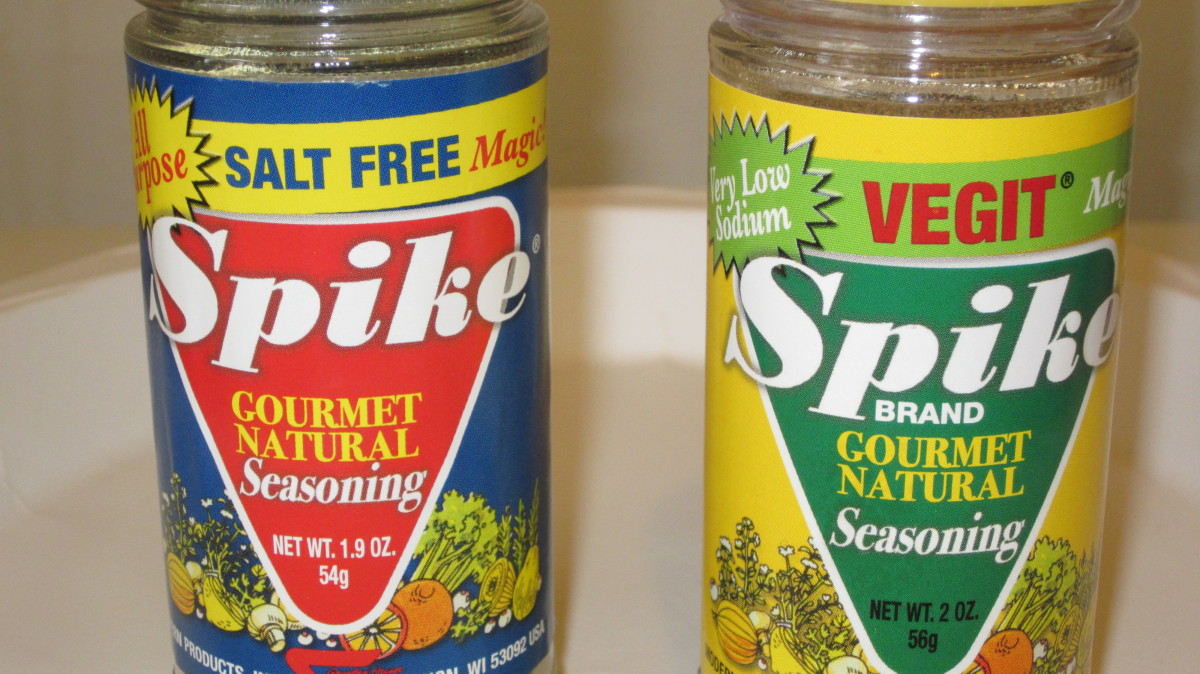
Low-sodium seasoning alternatives are a great way to add flavor to your dishes without compromising on your health goals. Whether you’re watching your sodium intake due to medical reasons or simply trying to adopt a healthier lifestyle, these alternatives can help bring out the best flavors in your meals. In this article, we will explore eight delicious and nutritious low-sodium seasoning options that can be easily incorporated into your daily cooking routine.
1. Herbs and Spices: One of the easiest ways to add flavor without adding sodium is by using herbs and spices. These natural ingredients not only enhance taste but also offer various health benefits. From classics like basil, oregano, and thyme to more exotic options like turmeric or cumin, there’s an endless variety of herbs and spices available. Experiment with different combinations to create unique flavors that suit your palate.
2. Citrus Zest: The zest from citrus fruits such as lemons, limes, and oranges adds a burst of freshness and tanginess to any dish. Simply grate the outer colored part of the fruit (avoiding the bitter white pith) onto salads, roasted vegetables, or fish for an instant flavor boost.
3. Vinegars: Vinegars like balsamic vinegar, apple cider vinegar, or red wine vinegar are excellent low-sodium alternatives for enhancing taste profiles in dressings, marinades, or sauces. They provide acidity and depth while adding minimal calories or salt content.
4. Homemade Blends: Creating your own spice blends allows you full control over the ingredients used while ensuring low sodium levels. Combine dried herbs such as rosemary, thyme with garlic powder and onion powder for a versatile all-purpose seasoning blend that works well on meats and vegetables alike.
5. Nutritional Yeast: Nutritional yeast is a popular vegan alternative that adds a cheesy umami flavor reminiscent of Parmesan cheese but without high sodium content or cholesterol found in dairy products. Sprinkle it over pasta, popcorn, or roasted vegetables for a savory kick.
6. Liquid Aminos: Derived from soybeans, liquid amino acids are a low-sodium alternative to soy sauce. They provide a similar flavor profile but with significantly less sodium content. Use them in stir-fries, marinades, or as a dipping sauce for sushi and dumplings.
7. Herb-infused Oils: Infusing oils with herbs like rosemary, basil, or garlic is an excellent way to add subtle flavors to your dishes without the need for extra salt. Drizzle these aromatic oils over salads or use them as bases for cooking to elevate the taste of your meals.
8. Homemade Stock: Store-bought stocks and broths often come loaded with sodium. By preparing your own stock using fresh ingredients such as vegetables and lean meats, you can control the amount of salt added and create flavorful bases for soups and stews.
Remember that adopting low-sodium seasoning alternatives doesn’t mean compromising on taste; it’s about exploring new flavors while prioritizing your health goals. Experimenting with different combinations will help you discover unique tastes that suit your preferences best. So go ahead and get creative in the kitchen – your taste buds will thank you!

Leave a Reply