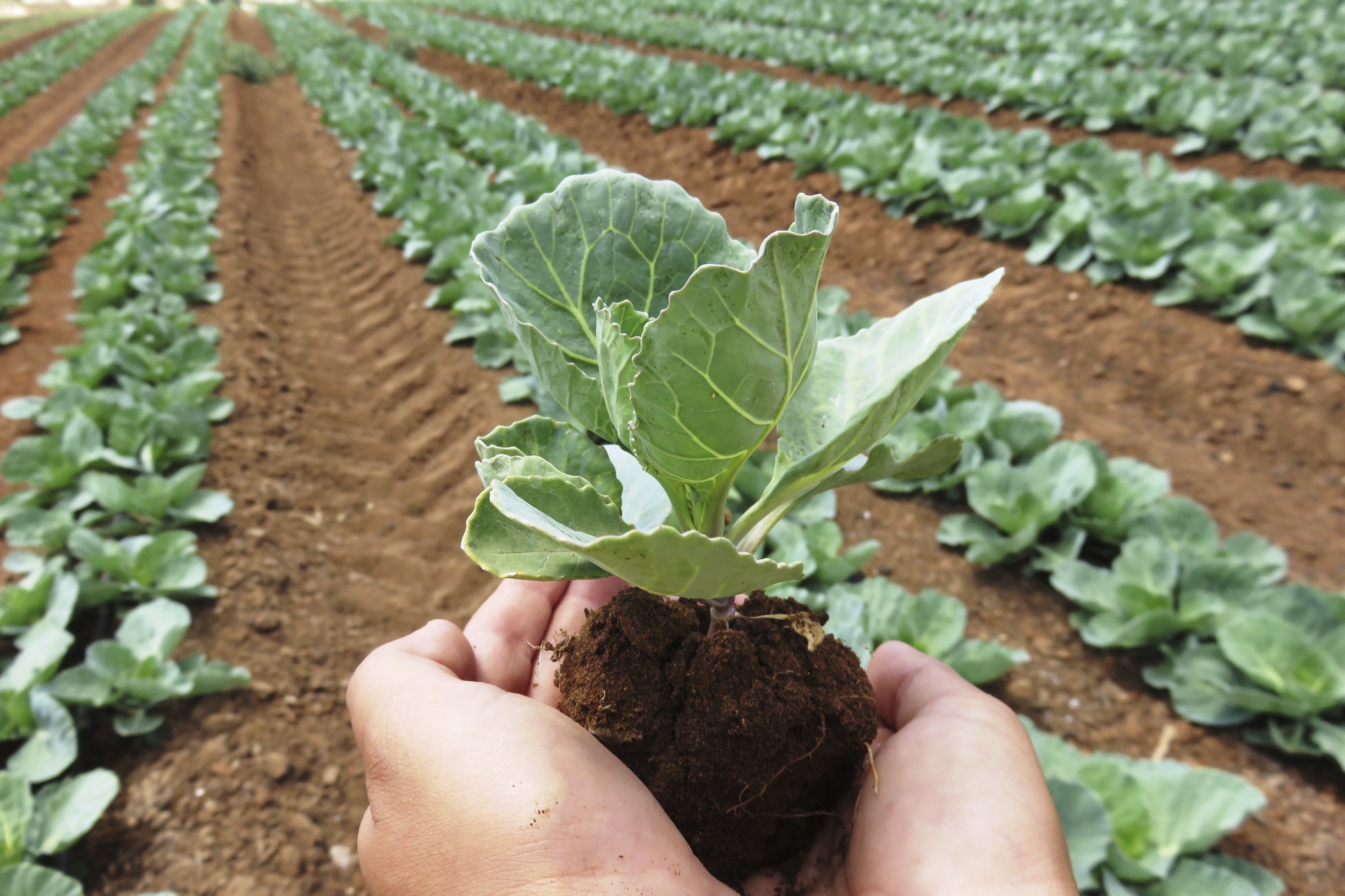
Organic Farming: A Sustainable Approach to Healthy Eating
Introduction:
In recent years, there has been a growing interest in organic farming as people become more conscious about the quality of their food and its impact on their well-being. Organic farming is a holistic agricultural practice that focuses on cultivating crops and rearing livestock using natural methods, without the use of synthetic chemicals or genetically modified organisms (GMOs). This method emphasizes sustainability, biodiversity, and the conservation of natural resources. In this article, we will explore the history of organic farming, its principles and practices, as well as its benefits for both consumers and the environment.
The Origins of Organic Farming:
While organic farming may seem like a modern concept, its roots can be traced back to ancient civilizations. Traditional agricultural societies relied on natural fertilizers such as animal manure and compost to enrich their soil. They also practiced crop rotation to maintain soil fertility over time. However, it was not until the early 20th century that organic farming gained recognition as a distinct movement.
The Birth of Modern Organic Farming:
The birthplace of modern organic farming is often attributed to Sir Albert Howard (1873-1947), an English botanist who worked in India during the early 1900s. Through his observations and experiments with traditional Indian agricultural practices, Howard developed what he called “the law of return.” This principle emphasized returning plant waste back to the soil in order to maintain fertility naturally.
Howard’s ideas were further popularized by Lady Eve Balfour (1898-1990), another influential figure in the history of organic farming. In 1943, Balfour published “The Living Soil,” which highlighted the importance of healthy soil for sustainable agriculture. Her work laid the foundation for future research into organic farming practices.
Principles and Practices:
Organic farmers follow several key principles when it comes to cultivation techniques:
1. Soil Health: Organic farming prioritizes the health of the soil. Farmers focus on building and maintaining fertile soil through practices such as composting, crop rotation, and cover cropping. These methods enhance microbial activity in the soil, improve water retention, and reduce erosion.
2. Biodiversity: Organic farmers value biodiversity and often cultivate a variety of crops together to promote natural pest control. They also create habitats for beneficial insects and animals that contribute to ecological balance.
3. Avoidance of Synthetic Chemicals: One of the fundamental principles of organic farming is avoiding synthetic pesticides, herbicides, fungicides, and fertilizers. Instead, farmers use natural alternatives like neem oil or companion planting to manage pests and diseases.
4. Animal Welfare: Organic livestock production places a strong emphasis on animal welfare. Animals are provided with ample space for movement, access to pasture grazing, and a diet free from antibiotics or growth hormones.
Certification Standards:
To ensure transparency and maintain consumer trust in organic products, various certification bodies have been established worldwide to regulate organic farming practices. These organizations set standards that farmers must meet in order to label their produce as “organic.” While specific regulations may vary slightly between countries or regions, they generally include guidelines regarding pesticide usage limits, GMO avoidance, animal welfare requirements for livestock production, record-keeping practices for traceability purposes, among others.
Benefits of Organic Farming:
1. Nutritional Value: Studies suggest that organic crops may contain higher levels of certain nutrients compared to conventionally grown counterparts. For example, research indicates that organic fruits and vegetables tend to have more antioxidants which play an important role in protecting against chronic diseases.
2.Environmental Impact: The environmental benefits associated with organic farming are significant. By avoiding synthetic chemicals and promoting biodiversity conservation measures like hedgerows or buffer zones around fields can help prevent soil erosion while enhancing wildlife habitat diversity.
3.Reduced Pesticide Exposure: Choosing organic products reduces exposure to potentially harmful synthetic pesticides. This is particularly important for vulnerable groups such as pregnant women, infants, and individuals with compromised immune systems.
4.Supporting Local Communities: Organic farming often promotes local economies by supporting small-scale farmers who adopt sustainable practices. Buying from local organic producers helps foster community resilience and reduces the carbon footprint associated with long-distance transportation.
Conclusion:
Organic farming represents a sustainable approach to agriculture that prioritizes the health of consumers, the environment, and future generations. By adopting organic practices, farmers contribute to soil conservation, reduce chemical pollution in waterways, and support biodiversity. As consumers, we have the power to make conscious choices that promote our well-being while also protecting our planet. Embracing organic farming is not just about healthy eating; it’s a step towards building a more sustainable future for all.

Leave a Reply