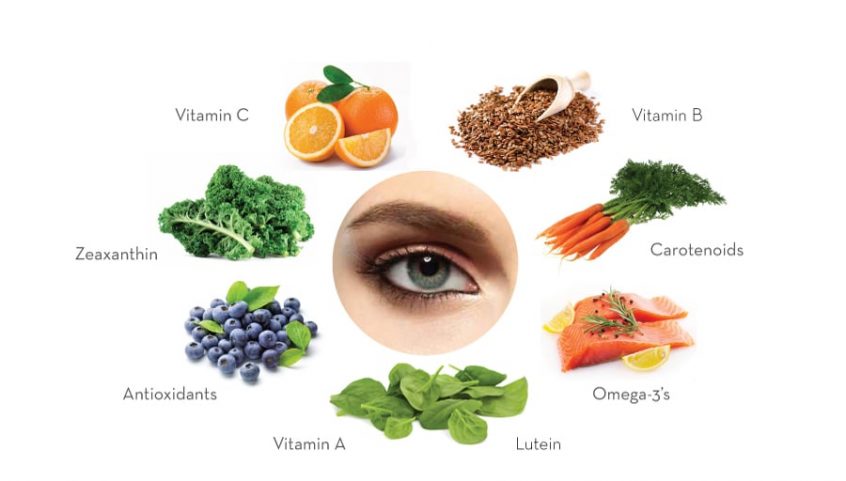
Antioxidants are powerful compounds that play a crucial role in promoting overall health and well-being. While many people are familiar with the benefits of antioxidants found in fruits and vegetables, there are several lesser-known sources of these important compounds that can be easily incorporated into our diets.
1. Lesser-known antioxidants found in herbs and spices:
Herbs and spices not only add flavor to our dishes but also provide us with a variety of health benefits due to their antioxidant content. For example, turmeric contains curcumin, which has potent anti-inflammatory properties. Other herbs such as oregano, rosemary, and thyme are rich in phenolic compounds that act as antioxidants.
2. The role of antioxidants in eye health:
The eyes are highly susceptible to oxidative stress due to their exposure to sunlight and other environmental factors. Antioxidants like lutein and zeaxanthin found in foods like spinach, kale, and eggs help protect the eyes from damage caused by free radicals, reducing the risk of age-related macular degeneration (AMD) and cataracts.
3. Antioxidants and their impact on gut health:
A healthy gut is essential for proper digestion and overall well-being. Antioxidants found in foods like ginger, garlic, green tea, and dark chocolate help reduce inflammation in the gut lining while supporting the growth of beneficial gut bacteria.
4. Antioxidant-rich foods for brain function:
The brain is particularly vulnerable to oxidative stress due to its high metabolic activity. Consuming antioxidant-rich foods such as blueberries, walnuts, avocados, and dark chocolate can help protect against cognitive decline by reducing inflammation and improving blood flow to the brain.
5. Uncommon sources of antioxidants in the plant kingdom:
While fruits and vegetables often steal the spotlight when it comes to antioxidant-rich foods, there are several lesser-known sources worth exploring. These include purple potatoes (rich in anthocyanins), seaweed (high in carotenoids), and chaga mushrooms (packed with antioxidants like triterpenes).
6. Antioxidants and their potential anti-aging effects:
Oxidative stress contributes to the aging process by damaging cells and DNA. Antioxidants counteract this damage, helping to slow down the signs of aging. Foods such as pomegranates, goji berries, and green tea are rich in antioxidants that promote youthful skin and overall vitality.
7. The link between antioxidants and immune system support:
A strong immune system is crucial for fighting off infections and diseases. Antioxidants found in foods like citrus fruits (vitamin C), bell peppers (vitamin E), and garlic (allicin) help boost immune function by neutralizing harmful free radicals.
8. Antioxidants in unconventional fruits and vegetables:
While berries are often hailed as antioxidant powerhouses, there are lesser-known fruits and vegetables that also deserve attention. These include kiwi fruit, which is packed with vitamin C, watermelon rind, which contains citrulline with antioxidant properties, and purple cauliflower, a great source of anthocyanins.
9. The influence of cooking methods on antioxidant content in food:
The way we prepare our food can have an impact on its antioxidant levels. Boiling or overcooking vegetables can cause some loss of antioxidants due to heat sensitivity while steaming or stir-frying helps retain more of these valuable compounds.
10. Antioxidants and their role in preventing certain types of cancer:
Research suggests that a diet rich in antioxidants may help reduce the risk of certain cancers by neutralizing free radicals that can damage DNA. Foods such as tomatoes (lycopene), cruciferous vegetables (glucosinolates), green tea (catechins), and grapes (resveratrol) have shown promising anticancer effects.
11. Antioxidant supplements: Are they worth it?
While whole foods are the best source of antioxidants, some individuals may consider supplements to meet their antioxidant needs. However, it’s important to note that supplements should not replace a balanced diet and that excessive intake of certain antioxidants can have adverse effects. Consulting with a healthcare professional is recommended before starting any supplementation.
12. The impact of antioxidants on skin health and appearance:
Antioxidants play a crucial role in maintaining healthy skin by protecting against oxidative stress and reducing inflammation. Foods like tomatoes (lycopene), almonds (vitamin E), and green tea (catechins) can help promote radiant skin and delay signs of aging.
13. Lesser-known benefits of antioxidant-rich teas:
Teas such as matcha, rooibos, and hibiscus are not only delicious but also provide an abundance of antioxidants. Matcha contains high levels of catechins known for their metabolism-boosting properties, while rooibos is rich in aspalathin, which has been shown to lower blood sugar levels.
14. Antioxidants and their effect on cardiovascular health:
Oxidative stress is a major contributor to heart disease. Consuming foods rich in antioxidants like berries, dark chocolate, nuts, and olive oil helps reduce inflammation, lower blood pressure, improve cholesterol profiles, and protect against the development of cardiovascular diseases.
15. The connection between antioxidants and weight management:
Certain antioxidants have been found to support weight management efforts by reducing inflammation in fat cells and enhancing metabolism. Green tea extract (EGCG), resveratrol from grapes or red wine, and quercetin from apples are examples of antioxidants that may aid in weight loss or maintenance.
16. Unpopular antioxidant-rich superfoods to include in your diet:
In addition to commonly known superfoods like blueberries and kale, there are several lesser-known options that pack a nutritional punch such as maqui berries (high in anthocyanins), spirulina (a rich source of beta-carotene), and moringa leaves (loaded with vitamins C and E).
17. How antioxidants can help reduce inflammation in the body:
Chronic inflammation is a driver of many diseases, including heart disease, diabetes, and autoimmune conditions. Antioxidants found in foods like turmeric (curcumin), gingerol from ginger, and omega-3 fatty acids from fatty fish help combat inflammation by neutralizing free radicals.
18. The role of antioxidants in supporting liver detoxification:
The liver is responsible for detoxifying harmful substances in the body. Antioxidants such as glutathione found in cruciferous vegetables like broccoli and cabbage support optimal liver function by neutralizing toxins and aiding in their elimination.
19. Lesser-known antioxidants found in nuts and seeds:
Nuts and seeds are not only a great source of healthy fats but also provide an array of antioxidants. For instance, Brazil nuts are high in selenium while chia seeds contain quercetin. Including a variety of nuts and seeds like almonds, walnuts, pumpkin seeds, or flaxseeds adds extra antioxidant power to your diet.
20. Antioxidant content variations among different varieties of fruits:
While all fruits generally contain beneficial antioxidants, the specific types and quantities can vary between different varieties. For example, red grapes have higher levels of resveratrol than green grapes while dark cherries are packed with anthocyanins that give them their vibrant color.
21. The impact of antioxidant intake on athletic performance:
Intense exercise leads to increased oxidative stress within the body. Consuming antioxidant-rich foods like tart cherry juice (anthocyanins) or beetroot (betalains) before or after exercise may help reduce muscle damage, improve recovery time, and enhance overall performance.
22. Unconventional ways to incorporate more antioxidants into your meals:
In addition to consuming antioxidant-rich foods in their natural form, there are creative ways to incorporate them into your meals. Adding spices like cinnamon, cloves, or turmeric to smoothies or using antioxidant-packed powders like acai or camu camu in homemade energy balls are just a few examples.
23. Antioxidants and their potential benefits for respiratory health:
Antioxidants with anti-inflammatory properties can help reduce inflammation in the airways and alleviate symptoms of respiratory conditions such as asthma. Foods rich in vitamin C (citrus fruits), quercetin (onions), and bromelain (pineapple) are particularly beneficial for respiratory health.
24. Lesser-known antioxidant compounds found in mushrooms:
Mushrooms not only provide unique flavors and textures but also contain various antioxidants that support our health. For instance, ergothioneine found abundantly in certain mushroom varieties acts as a potent antioxidant protecting cells from oxidative stress.
25. The influence of storage methods on preserving antioxidant levels in food:
Proper storage methods can help maintain the integrity of antioxidants present in food. Storing fruits and vegetables properly, minimizing exposure to light and oxygen, and avoiding excessive heat can help retain the maximum amount of antioxidants until consumption.
In conclusion, antioxidants play a crucial role in promoting good health by neutralizing free radicals that contribute to oxidative stress and damage within the body. While many people are familiar with common sources of antioxidants such as fruits and vegetables, exploring lesser-known sources can expand our options for incorporating these important compounds into our diets. From herbs and spices to teas, nuts, seeds, unconventional superfoods, mushrooms, and even different cooking methods – there is no shortage of ways to boost your intake of these powerful compounds for optimal health benefits across various aspects including eye health, gut health skin appearance among others.

Leave a Reply