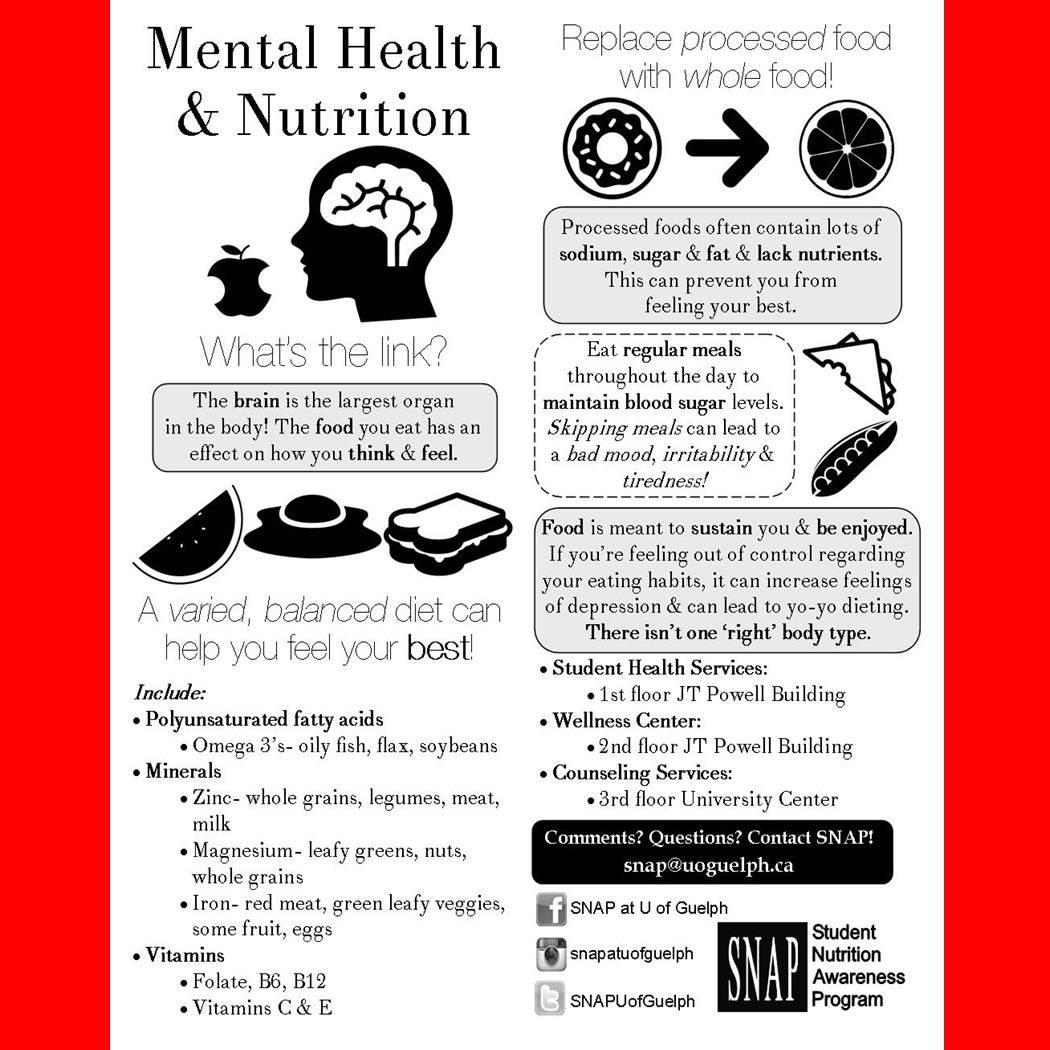
Mental Health: The Crucial Connection to Healthy Eating
In today’s fast-paced and stressful world, mental health has become a pressing concern for many individuals. While we often focus on physical well-being through exercise and healthy eating, the impact of nutrition on mental health is often overlooked. However, studies have shown that there is a strong connection between what we eat and how it affects our mood, emotions, and overall mental well-being.
The Gut-Brain Axis: Unraveling the Connection
To understand the relationship between food and mental health, we need to explore the concept of the gut-brain axis. This remarkable communication pathway connects our gastrointestinal system with our brain. The gut contains millions of nerve cells that produce neurotransmitters like serotonin — a key player in regulating mood. In fact, around 90% of serotonin is produced in the gut.
When we consume nutrients from food, they are broken down into molecules that can affect neurotransmitter production in our gut. These molecules then travel through the bloodstream to reach our brain where they influence various aspects of mental health such as anxiety levels, stress response, and even cognitive function.
Nutrients for Mental Well-being
Now that we understand how food can impact mental health let’s dive into some specific nutrients that play vital roles:
1. Omega-3 Fatty Acids: Found abundantly in fatty fish like salmon and mackerel as well as walnuts and flaxseeds, omega-3 fatty acids are crucial for brain function. They help reduce inflammation in both the body and brain while supporting optimal cognitive function.
2. B Vitamins: Essential for energy production and proper functioning of neurotransmitters involved in mood regulation (such as serotonin), B vitamins play an important role in maintaining good mental health. Sources include whole grains, leafy greens, legumes, eggs, nuts/seeds.
3. Antioxidants: Fruits and vegetables rich in antioxidants such as berries, spinach, and kale can help protect the brain from oxidative stress. These compounds have been linked to a lower risk of developing mental health disorders like depression and anxiety.
4. Probiotics: Beneficial bacteria present in fermented foods like yogurt, sauerkraut, and kimchi can positively influence gut health. A healthy gut microbiome has been associated with improved mental well-being and reduced symptoms of depression and anxiety.
5. Complex Carbohydrates: Foods like whole grains, legumes, and root vegetables provide a steady release of glucose into the bloodstream — an important fuel source for the brain. Consuming complex carbohydrates helps stabilize mood by preventing blood sugar spikes that may contribute to irritability or mood swings.
The Impact of Sugar on Mental Health
While some nutrients promote good mental health, others can have adverse effects when consumed excessively. One such culprit is refined sugar. Studies have found a clear link between high-sugar diets and an increased risk of depression and anxiety disorders.
When we consume sugary foods or beverages, our blood sugar levels spike rapidly but then crash soon after due to insulin response. This rollercoaster effect not only affects our energy levels but also disrupts neurotransmitter balance in the brain leading to mood swings, fatigue, irritability, and even difficulty concentrating.
Furthermore, excessive sugar consumption has been associated with chronic inflammation — a known factor contributing to the development of various mental health disorders including depression.
Practical Tips for Promoting Good Mental Health through Nutrition
Now that we understand how food choices impact mental well-being let’s discuss some practical tips for incorporating these principles into our daily lives:
1. Aim for Balance: Include a variety of nutrient-dense whole foods in your diet while limiting processed foods high in sugars or unhealthy fats.
2. Eat Regular Meals: Skipping meals can lead to drops in blood sugar levels which may affect your mood negatively. Ensure you eat regular meals throughout the day to stabilize blood sugar levels.
3. Prioritize Omega-3s: Include fatty fish like salmon or sardines in your diet at least twice a week. If you follow a vegetarian or vegan diet, consider incorporating plant-based sources such as chia seeds, flaxseeds, and walnuts.
4. Embrace Probiotics: Add fermented foods like yogurt, kefir, sauerkraut, or kimchi to your meals to support gut health and improve mental well-being.
5. Limit Sugar Intake: Be mindful of hidden sugars in processed foods and opt for natural sweeteners like honey or maple syrup when needed.
6. Seek Professional Help: If you’re struggling with mental health issues, seek guidance from healthcare professionals who can provide personalized advice and treatment options tailored to your needs.
In conclusion, the connection between nutrition and mental health is undeniable. By understanding how certain nutrients impact our brain chemistry and overall well-being, we can make informed food choices that promote good mental health. So let’s prioritize our mental wellness by nourishing both our bodies and minds with wholesome foods!

Leave a Reply