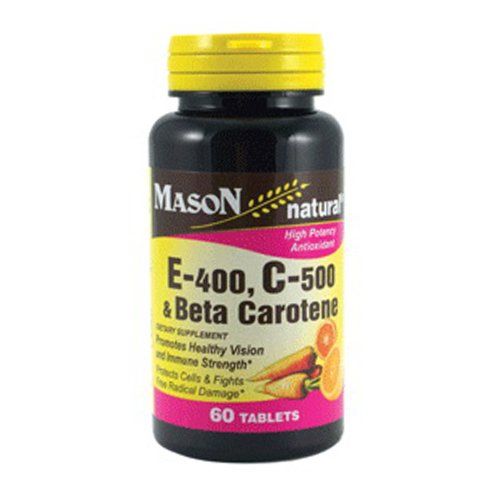
Antioxidants play a vital role in maintaining our overall health and well-being. They are compounds that help protect our cells from damage caused by harmful molecules called free radicals. Free radicals are unstable molecules that can cause oxidative stress in the body, leading to various health issues such as inflammation, heart disease, and cancer.
Including antioxidant-rich foods in our diet is essential for combating the effects of free radicals and promoting optimal health. In this article, we will explore different types of antioxidants and their sources:
1. Vitamin C:
Vitamin C, also known as ascorbic acid, is one of the most well-known antioxidants. It helps boost immunity, aids in collagen production for healthy skin, supports wound healing, and protects against cardiovascular diseases.
Citrus fruits like oranges, lemons, grapefruits are excellent sources of vitamin C. Other fruits such as strawberries and kiwis also contain high amounts of this antioxidant. Vegetables like bell peppers (particularly red ones), broccoli, tomatoes are great choices too.
2. Vitamin E:
Vitamin E is a fat-soluble antioxidant that helps protect cell membranes from oxidative damage. It plays a crucial role in maintaining healthy skin, eyesight, and immune function.
Nuts and seeds like almonds and sunflower seeds provide ample amounts of vitamin E. Vegetable oils such as wheat germ oil or sunflower oil are also rich sources of this antioxidant.
3. Beta-carotene:
Beta-carotene is a type of carotenoid that gives certain fruits and vegetables their vibrant orange or yellow coloration. Once consumed by the body through food intake or supplements it converts into vitamin A – another potent antioxidant.
Carrots top the list when it comes to beta-carotene content but other veggies like sweet potatoes also contribute significantly to your daily intake.
Dark leafy greens like spinach or kale may not be orange but they still pack plenty of beta-carotene along with other beneficial antioxidants.
4. Flavonoids:
Flavonoids are a diverse group of antioxidants that have been associated with numerous health benefits, including reducing the risk of chronic diseases like heart disease and cancer.
Citrus fruits like oranges and grapefruits contain flavonoids such as hesperidin and naringenin. Berries, particularly blueberries, strawberries, and raspberries, are rich in anthocyanins – a type of flavonoid responsible for their vibrant colors.
Dark chocolate is also an excellent source of flavonoids but make sure to choose one with a high percentage (70% or more) of cocoa content to maximize its antioxidant benefits.
5. Resveratrol:
Resveratrol is a polyphenol antioxidant found primarily in grapes and red wine. It has gained attention for its potential anti-aging effects and ability to protect against heart disease.
Red grapes (and their juice), red wine, peanuts, pistachios are all sources of resveratrol. However, it’s important to consume alcohol moderately if choosing red wine as your source due to potential negative effects on health.
6. Lycopene:
Lycopene is another carotenoid that provides the distinctive red color found in tomatoes and other red fruits.
Cooked tomatoes or tomato products such as tomato sauce or paste have higher levels of lycopene compared to raw ones. Watermelon and pink grapefruit are also good sources.
Consuming lycopene-rich foods has been linked to reduced risks of certain cancers (especially prostate cancer) and cardiovascular diseases.
7. Selenium:
Although not technically an antioxidant itself, selenium plays a crucial role in supporting the body’s natural antioxidant defense system by helping produce enzymes that combat oxidative stress.
Brazil nuts are among the richest food sources of selenium. Other options include seafood (such as oysters or tuna), lean meats (pork or beef), sunflower seeds, and whole grains.
Incorporating a variety of foods rich in these antioxidants into our diet is the key to reaping their benefits. Remember, it’s always better to obtain nutrients from natural food sources rather than relying solely on supplements. Aim for a colorful plate filled with fruits, vegetables, nuts, seeds, whole grains, and lean proteins to ensure you’re getting a wide range of antioxidants along with other essential nutrients.
While including antioxidant-rich foods is important, it’s equally crucial to maintain an overall healthy lifestyle by exercising regularly, managing stress levels effectively, avoiding smoking or excessive alcohol consumption, and getting enough sleep. These lifestyle factors work synergistically with antioxidants to promote optimal health and well-being.
In conclusion, antioxidants play a vital role in protecting our cells from damage caused by free radicals. Incorporating various types of antioxidants such as vitamin C, vitamin E, beta-carotene, flavonoids (including resveratrol), lycopene and selenium through a diverse diet can help combat oxidative stress and reduce the risk of chronic diseases. So go ahead and fill your plate with colorful fruits and vegetables along with other antioxidant-rich foods for improved health and vitality.

Leave a Reply