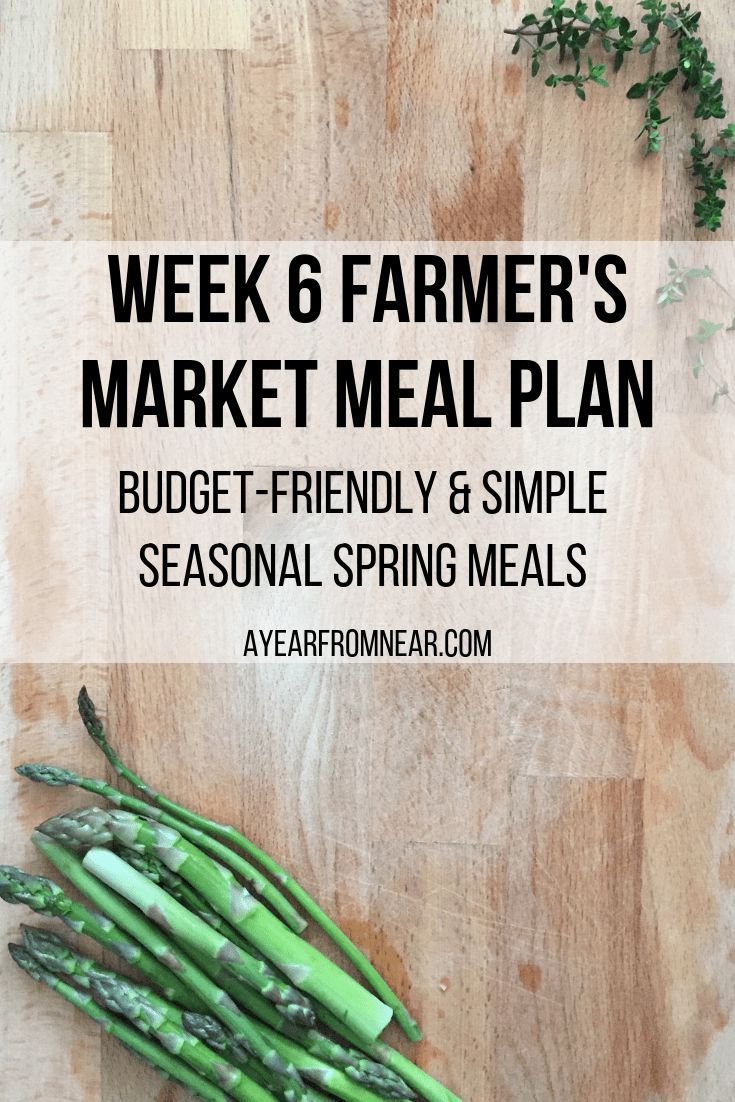
Strategies for Meal Planning with Local Produce on a Budget
Introduction:
Eating healthy can sometimes be perceived as expensive, but with the right approach and some smart strategies, it doesn’t have to break the bank. One of the best ways to eat well on a budget is by incorporating local produce into your meal planning. Not only does buying local support your community’s farmers and economy, but it also ensures that you’re getting fresh and nutritious ingredients. In this article, we’ll explore several strategies for meal planning with local produce while sticking to a budget.
1. Get to Know Your Local Farmers’ Markets:
Farmers’ markets are treasure troves of locally grown fruits, vegetables, and other products straight from the source. Take some time to research and find out when and where your nearest farmers’ market operates. By shopping at these markets, you eliminate any middlemen involved in traditional grocery store chains which often drive up prices.
2. Shop Seasonally:
When it comes to purchasing local produce on a budget, shopping seasonally is key. It’s important to be aware of what fruits and vegetables are in season in your area as they tend to be more abundant and therefore less expensive than out-of-season produce that needs to be transported from afar.
3. Join a Community Supported Agriculture (CSA) Program:
Joining a CSA program is an excellent way to get access to fresh local produce throughout the year while supporting small-scale farmers directly. CSAs work by allowing individuals or families to purchase a “share” of the farm’s harvest in advance or on a regular basis. This not only helps farmers with their upfront costs but also guarantees you receive weekly boxes filled with seasonal goodies at affordable prices.
4. Plan Your Meals According to What’s Available:
Once you’ve familiarized yourself with what’s available locally each season, plan your meals around those ingredients rather than trying to fit them into pre-existing recipes that call for out-of-season produce. This approach ensures that you’re making the most of what’s readily available, reducing waste and saving money in the process.
5. Preserve or Freeze Excess Produce:
When local produce is abundant, take advantage of the lower prices and buy in bulk. If you find yourself with more than you can consume before it spoils, consider preserving or freezing some for later use. Techniques such as canning, pickling, dehydrating, and freezing are all great ways to extend the shelf life of your favorite fruits and vegetables.
6. Meal Prep for Efficiency:
Meal prepping involves preparing a week’s worth of meals in advance to save time, reduce food waste, and ensure healthy choices throughout the week. When meal planning with local produce on a budget, consider incorporating batch cooking into your routine. By cooking large quantities of meals that utilize seasonal ingredients upfront, you’ll have nutritious options ready to go whenever hunger strikes.
7. Embrace Meatless Mondays (and Beyond):
One effective way to stretch your budget when meal planning with local produce is by embracing meatless meals at least once a week. Plant-based proteins like legumes and grains tend to be more affordable than animal products while still providing essential nutrients for your body.
8. Experiment with Less Popular Cuts of Meat:
If you’re not quite ready to give up meat entirely but still want to keep costs down when using local produce in your meal planning efforts, explore less popular cuts of meat or opt for cheaper protein sources such as chicken thighs instead of breasts or ground meats instead of steaks.
9. Utilize Leftovers Creatively:
Reducing food waste should always be a priority when trying to eat well on a budget – especially when working with fresh local produce that has limited shelf life compared to processed foods from grocery stores. Get creative with repurposing leftovers into new dishes throughout the week so nothing goes unused or ends up in the trash.
10. Grow Your Own:
If you have the space and time, growing your own produce can be a rewarding way to incorporate fresh, local ingredients into your meals at an even lower cost. Start small with herbs or vegetables that are easy to grow and maintain, such as tomatoes, lettuce, or basil.
Conclusion:
Meal planning with local produce on a budget is not only possible but also highly beneficial for both your health and your community. By utilizing these strategies – shopping at farmers’ markets, buying seasonal produce, joining CSAs, meal prepping efficiently, embracing meatless options occasionally, getting creative with leftovers – you can enjoy delicious meals while supporting local farmers and keeping costs down. With some careful planning and resourcefulness in the kitchen, healthy eating doesn’t have to break the bank!

Leave a Reply