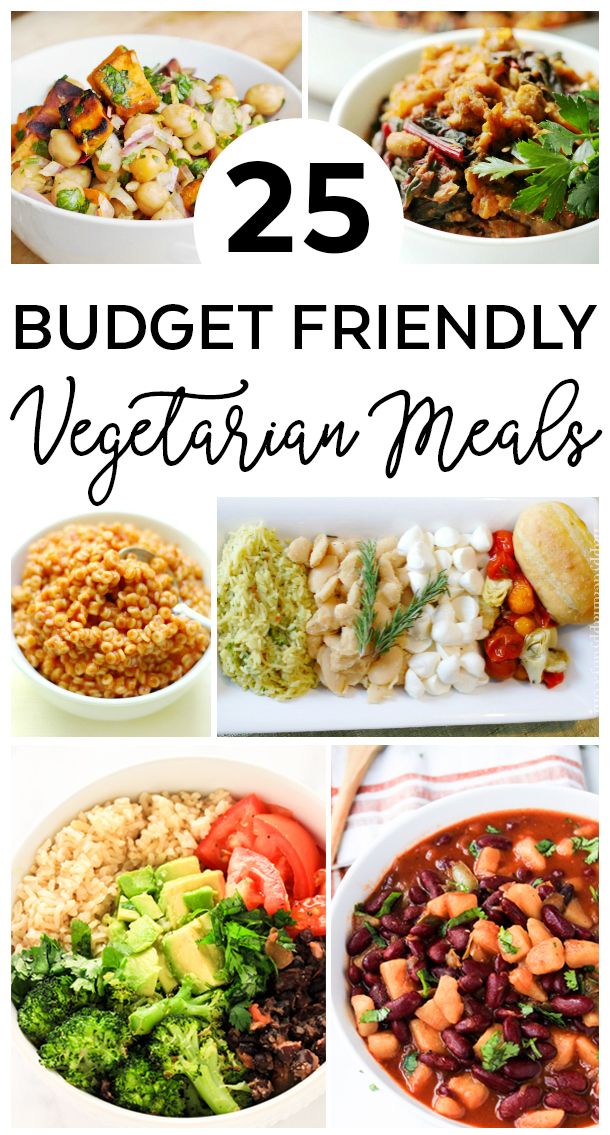
Vegan Meal Planning on a Budget: Your Ultimate Guide to Healthy and Affordable Eating
Introduction:
Eating a vegan diet can have numerous health benefits, but many people believe that it is expensive. However, with careful planning and strategic shopping, following a vegan lifestyle can be both nutritious and cost-effective. In this article, we will provide you with tips and tricks for vegan meal planning on a budget.
1. Plan Ahead:
The key to successful budget-friendly meal planning is preparation. Take some time each week to plan your meals in advance. Start by creating a list of the dishes you want to make throughout the week, including breakfasts, lunches, dinners, and snacks.
2. Embrace Seasonal Produce:
Seasonal fruits and vegetables are often more affordable as they are readily available in abundance. Visit local farmers’ markets or look for deals at grocery stores to find fresh produce at lower prices.
3. Buy in Bulk:
Buying staple ingredients such as grains (rice, quinoa), legumes (beans, lentils), nuts/seeds (chia seeds, almonds), and spices in bulk can save you money in the long run. Look for discounts or shop at bulk food stores where you can measure out exactly what you need.
4. Cook from Scratch:
Pre-packaged convenience foods tend to be pricier than cooking from scratch using raw ingredients. Instead of buying canned beans or pre-cooked rice packets, opt for dried beans and grains that require soaking or cooking yourself – it’s not only cheaper but also healthier!
5. Utilize Leftovers Creatively:
Don’t let leftovers go to waste! Get creative by repurposing them into new dishes throughout the week. For example, turn yesterday’s roasted veggies into a flavorful stir-fry or blend them into a hearty soup.
6. Make Plant-Based Proteins Your Allies:
Protein-rich foods like tofu, tempeh, seitan (wheat gluten), and legumes can be budget-friendly alternatives to meat. Experiment with tofu scrambles, lentil-based stews, or homemade seitan sausages for affordable and nutritious plant-based protein sources.
7. Opt for Frozen Fruits and Vegetables:
Frozen fruits and vegetables are often just as nutritious as their fresh counterparts but more budget-friendly. They also have a longer shelf life, reducing food waste. Keep your freezer stocked with a variety of frozen produce to add to smoothies, stir-fries, or soups.
8. DIY Plant-Based Milk:
Plant-based milk alternatives like almond milk or oat milk can be expensive when purchasing pre-packaged versions. Instead, try making your own at home using raw ingredients such as almonds or oats – it’s easy and economical!
9. Explore Affordable Flavor Boosters:
Spices, herbs, and condiments can transform simple dishes into flavorful meals without breaking the bank. Stock up on essentials like garlic powder, onion powder, turmeric, cumin seeds, nutritional yeast (for cheesy flavor), soy sauce/tamari (for umami), and hot sauces for added depth in your dishes.
10. Batch Cooking and Freezing Meals:
Prepare larger quantities of food that can be divided into individual portions for future meals. This practice not only saves time but also cuts down on costs by eliminating the need for takeout during busy days.
11. Use Online Resources:
Take advantage of online resources such as vegan recipe blogs or websites that offer budget-friendly meal plans tailored specifically for vegans on a tight budget.
12: Grow Your Own Herbs:
If you have some outdoor space or even sunny windowsills indoors, growing your own herbs is an excellent way to save money while adding freshness to your meals throughout the year.
Conclusion:
Eating vegan on a budget doesn’t have to be difficult or expensive; it just requires some planning and resourcefulness. By incorporating these tips into your meal planning routine, you can enjoy a healthy and affordable vegan lifestyle. Remember to be creative in the kitchen, experiment with flavors, and take advantage of seasonal produce and bulk shopping. Happy budget-friendly cooking!

Leave a Reply