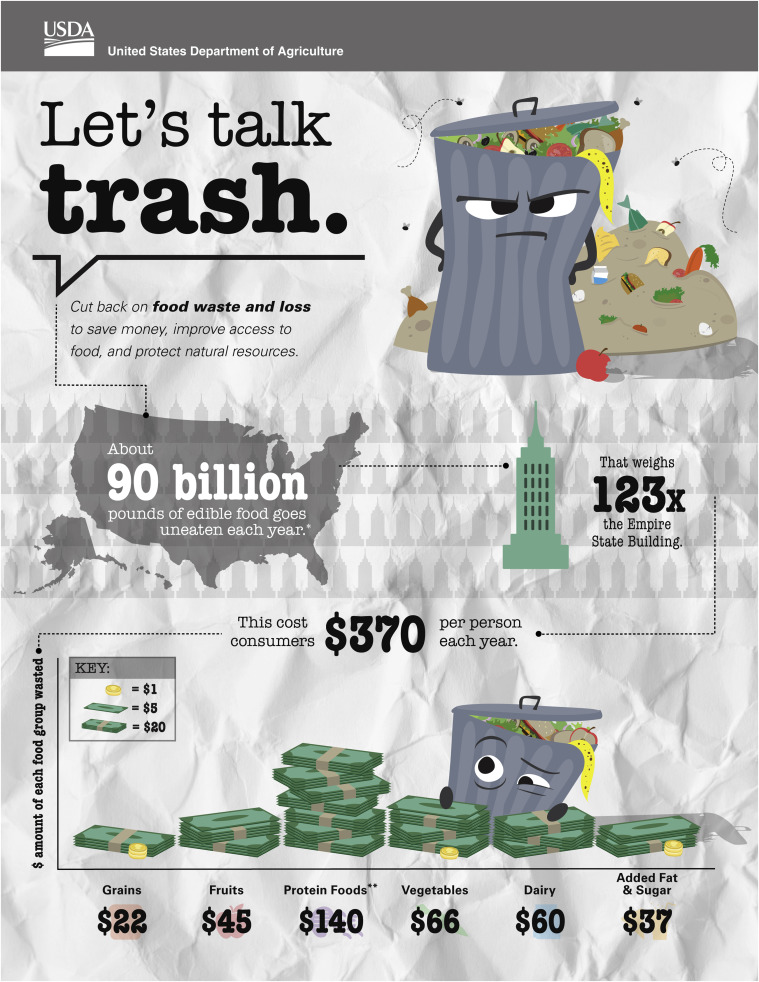
Food waste is a global issue that not only has significant environmental and social implications but also carries a hefty financial burden. According to the Food and Agriculture Organization (FAO) of the United Nations, approximately one-third of all food produced for human consumption is lost or wasted every year. This amounts to nearly 1.3 billion tons of food, valued at roughly $1 trillion.
The financial implications of food waste reduction efforts are multifaceted and can be seen at various stages along the supply chain – from production and distribution to retail and consumer levels. By understanding these implications, we can shed light on how reducing food waste can have substantial economic benefits.
1. Production Costs:
Reducing food waste starts with addressing inefficiencies in agricultural production. Farmers often overproduce crops to compensate for potential losses due to weather conditions or quality standards imposed by retailers. This leads to higher input costs such as seeds, fertilizers, water, labor, and equipment maintenance.
By implementing better forecasting techniques, improving storage systems, and adopting precision farming practices like crop rotation and irrigation management, farmers can optimize their production processes while minimizing losses due to spoilage or damage. These measures help reduce overall production costs by eliminating unnecessary expenses associated with surplus production.
2. Distribution Costs:
Food waste adds considerable expenses throughout the distribution process. Perishable products require careful handling during transportation to prevent spoilage or damage. The longer it takes for fresh produce or dairy products to reach consumers’ plates after harvest/packaging, the greater the chances of deterioration.
Efficient logistical operations that minimize travel time between farms/storage facilities and retailers/restaurants are essential in reducing food waste along the supply chain while saving on transportation costs simultaneously.
Additionally, investing in appropriate packaging materials that preserve freshness extends product shelf life during transit—protecting perishable items from bruising/contamination reduces potential losses incurred during transportation further.
3. Retail Losses:
Retailers face significant financial losses due to food waste. Unsold produce that exceeds its shelf life or is visually unappealing often ends up discarded, leading to direct financial losses for the retailer.
By implementing inventory management systems and adopting discounts or promotions strategies for products nearing expiration dates, retailers can minimize these losses. Additionally, educating consumers about the value of imperfect but perfectly edible produce through marketing campaigns can help change perceptions and reduce food waste at the retail level.
4. Consumer Behavior:
Consumers play a crucial role in reducing food waste and can make a significant impact on their own finances by doing so. By planning meals, making shopping lists, and buying only what is needed, individuals can avoid over-purchasing perishable items that may ultimately go unused.
Moreover, proper storage techniques such as using airtight containers or freezing leftovers enable consumers to extend the shelf life of their groceries significantly. These small actions not only help reduce personal expenses but also contribute to reducing overall food waste.
5. Economic Opportunities:
Efforts aimed at reducing food waste present numerous economic opportunities across various sectors. The development of innovative technologies for processing surplus fruits and vegetables into value-added products like juices, jams, sauces, or frozen foods creates new avenues for revenue generation.
Furthermore, establishing partnerships between farmers/producers and organizations focusing on redistributing excess edible food to those in need helps tackle both hunger issues and financial implications associated with wasted resources.
Additionally, investing in research and development toward finding alternative uses for unavoidable food waste (such as animal feed production or bioenergy generation) presents potential economic benefits while minimizing environmental impacts.
6. Impact on Food Prices:
Reducing food loss throughout the supply chain has broader implications for global food prices as well. When less food goes wasted or lost during production/distribution stages, supply increases relative to demand – leading to lower market prices overall.
While this might seem disadvantageous from a farmer’s perspective initially due to potentially reduced profit margins per unit sold; the increased affordability of food can benefit consumers, especially those in lower-income brackets. Moreover, this may also lead to increased consumption and greater market stability.
In conclusion, addressing the financial implications of food waste reduction efforts is vital for sustainable agricultural practices and economic growth. By optimizing production processes, improving distribution logistics, implementing efficient retail strategies, encouraging responsible consumer behavior, and exploring innovative solutions for surplus food utilization – we can not only reduce the environmental impact of wasted resources but also create economic opportunities that benefit all stakeholders involved.

Leave a Reply to “From Farm to Plate: Unraveling the Economic Benefits of Reducing Food Waste” — Wynter’s Wellness – Bruce’s BibleCancel reply