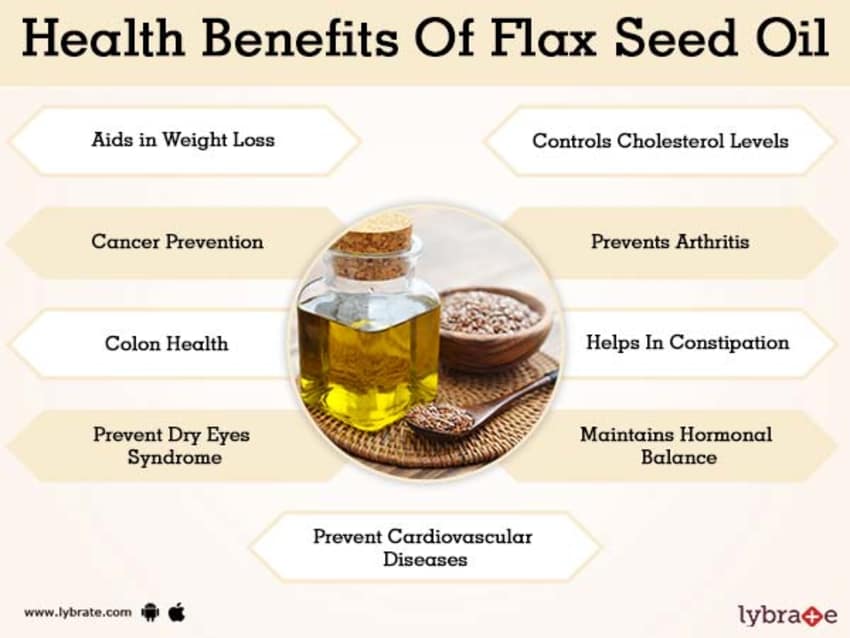
Flaxseed oil has gained significant popularity in recent years due to its numerous health benefits. Derived from flaxseeds, this oil is rich in essential fatty acids and has been used for centuries for its medicinal properties. In this article, we will explore the many advantages of incorporating flaxseed oil into your daily diet.
One of the most notable benefits of flaxseed oil is its high omega-3 fatty acid content. Omega-3 fatty acids play a crucial role in maintaining heart health by reducing inflammation and improving blood flow. These essential fats have also been linked to a lower risk of cardiovascular diseases such as heart attacks and strokes.
Flaxseed oil is also a great source of alpha-linolenic acid (ALA), a type of omega-3 fatty acid that the body cannot produce on its own. ALA helps support brain function, improve cognitive abilities, and may even reduce symptoms associated with depression and anxiety.
In addition to omega-3s, flaxseed oil contains an abundance of omega-6 fatty acids. While these are necessary for overall health, it’s important to maintain a balanced ratio between omega-3s and omega-6s. The modern Western diet tends to be higher in omega-6 fats due to processed foods and cooking oils like corn or soybean oil. By adding flaxseed oil to your diet, you can help restore this balance.
Another advantage of consuming flaxseed oil is its potential cancer-fighting properties. Studies have shown that the lignans present in flaxseeds may help prevent certain types of cancers such as breast, prostate, and colon cancer. Lignans are natural compounds that possess antioxidant properties which protect cells from damage caused by free radicals.
Flaxseed oil also aids in digestive health thanks to its high fiber content. Fiber promotes regular bowel movements while preventing constipation and promoting healthy digestion overall. Additionally, it can help regulate cholesterol levels, thus reducing the risk of heart disease.
For those concerned about their skin health and appearance, flaxseed oil can be a game-changer. Its omega-3 fatty acids contribute to moisturized and supple skin by helping retain moisture and promoting elasticity. The anti-inflammatory properties of flaxseed oil also make it beneficial for individuals with eczema, psoriasis, or acne-prone skin.
The benefits of flaxseed oil extend beyond internal health – they can also support hair growth and strength. Omega-3 fatty acids are essential for maintaining healthy scalp conditions, preventing dandruff, and combating hair loss. By incorporating this oil into your diet or using it as a topical treatment on your hair and scalp, you can enhance the vitality of your locks.
Flaxseed oil has shown promise in supporting weight management efforts as well. The high fiber content helps promote feelings of fullness, reducing overall calorie intake. Additionally, the omega-3 fatty acids in flaxseed oil have been found to increase fat burning during exercise while decreasing fat storage in adipose tissue.
While most people consume flaxseed oil orally or topically, it is important to note that heat can damage its delicate structure and reduce its nutritional value. It is best to use flaxseed oil raw or at low temperatures to preserve its integrity.
It’s worth mentioning that while there are numerous potential benefits associated with consuming flaxseed oil, it should not replace a balanced diet or medical advice from professionals. As always, consult with your doctor before making any significant changes to your dietary routine.
In conclusion, incorporating flaxseed oil into your daily diet offers an array of health advantages ranging from cardiovascular support to improved brain function. Whether consumed orally or applied topically for skincare purposes, this versatile natural remedy provides a range of benefits that make it worthy of consideration for anyone seeking healthier living options.

Leave a Reply