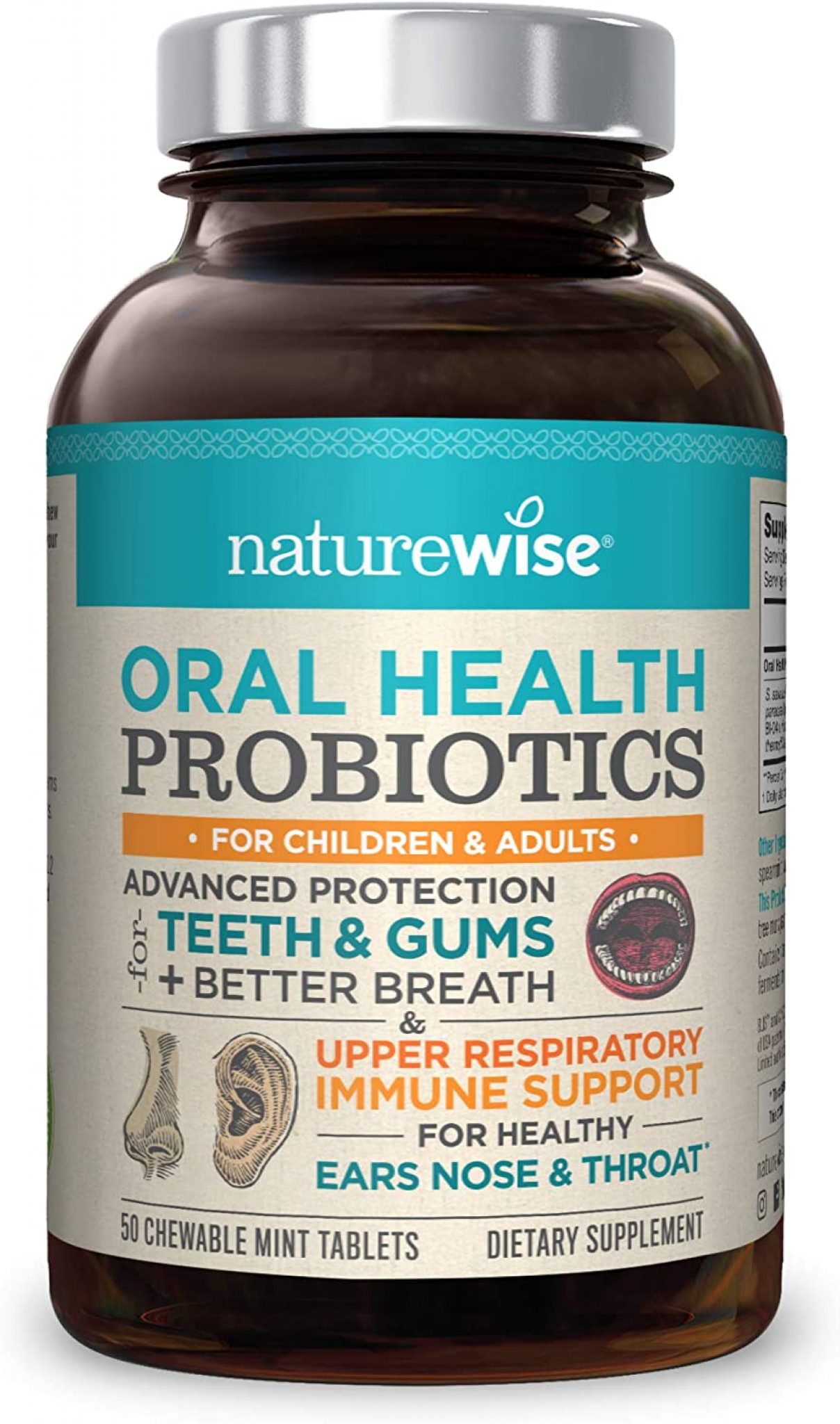
Probiotics have gained significant attention in recent years for their potential health benefits. These live bacteria and yeasts, often referred to as “good” or “friendly” bacteria, offer a wide range of advantages when it comes to promoting overall well-being. From dental health to mental health, weight loss to skin conditions, probiotics have shown promising results in various areas of our lives.
1. Probiotics and Dental Health:
Maintaining good oral hygiene is crucial for healthy teeth and gums. Studies suggest that certain strains of probiotics can help improve dental health by reducing the risk of tooth decay, gum disease, and bad breath. Lactobacillus reuteri and Streptococcus salivarius are two strains commonly found in probiotic supplements that may inhibit harmful bacteria growth in the mouth.
2. Probiotics for Skin Conditions:
Skin conditions like acne, eczema, rosacea, and psoriasis can be distressing both physically and emotionally. Probiotics show promise in managing these conditions by balancing the skin’s microbiome and reducing inflammation. Lactobacillus rhamnosus GG has been studied extensively for its potential benefits on various skin issues.
3. Probiotics and Mental Health:
The gut-brain connection is a fascinating area of research that suggests a strong link between gut health and mental well-being. Probiotic supplementation has shown positive effects on symptoms related to anxiety, depression, stress management, and cognitive function through modulating neurotransmitters such as serotonin.
4. Probiotics and Weight Loss:
While probiotics alone won’t magically shed pounds off your waistline, they can support weight loss efforts when combined with a healthy diet and exercise routine. Certain strains like Lactobacillus gasseri may help reduce belly fat by influencing metabolism regulation.
5.Probiotics for Allergies:
Allergies occur when our immune system overreacts to harmless substances. Probiotics, particularly strains like Lactobacillus rhamnosus and Bifidobacterium lactis, have shown potential in reducing symptoms of allergic rhinitis, atopic dermatitis, and food allergies by modulating the immune response.
6. Probiotics and Fertility:
Maintaining a healthy balance of vaginal bacteria is crucial for female reproductive health. Certain probiotic strains like Lactobacillus crispatus and Lactobacillus rhamnosus can help promote a healthy vaginal microbiota, potentially improving fertility outcomes.
7. Probiotics and Athletic Performance:
Athletes often face challenges related to energy metabolism, immune function, and muscle recovery. Some studies suggest that certain probiotic strains may enhance exercise performance by reducing inflammation, supporting nutrient absorption, and strengthening the immune system.
8. Probiotics for Children’s Immune System:
Children are more susceptible to infections due to their developing immune systems. Probiotic supplementation has been shown to reduce the risk of respiratory tract infections in children while also providing support against allergies such as eczema.
9.Probiotics and Gut-Brain Connection:
The gut-brain axis plays a vital role in our overall well-being. Emerging research suggests that maintaining a healthy gut microbiome through probiotics may positively impact mood regulation, stress management, cognition, and even neurodevelopmental disorders like autism spectrum disorder (ASD).
10.Probiotics and Diabetes Management:
Type 2 diabetes is a metabolic condition characterized by insulin resistance or impaired insulin production. Some studies indicate that specific probiotic strains can improve blood sugar control by enhancing insulin sensitivity and reducing inflammation.
11.Probiotics for Liver Health:
The liver performs essential functions in detoxification and digestion processes within our bodies. Probiotic supplementation may help protect liver health by reducing liver enzymes associated with damage caused by alcohol consumption or non-alcoholic fatty liver disease (NAFLD).
12.Probiotic Strains for Specific Health Concerns:
Various probiotic strains have shown effectiveness in addressing specific health concerns. For example, Saccharomyces boulardii is known to alleviate diarrhea caused by antibiotics or infections, while Bifidobacterium animalis subsp. lactis helps manage symptoms of irritable bowel syndrome (IBS).
13.Prebiotics vs Probiotics: Understanding the Difference:
While probiotics are live microorganisms, prebiotics are non-digestible fibers that serve as food for these beneficial bacteria. Prebiotics help nourish and promote the growth of probiotics within our gut microbiota.
14.The Role of Probiotics in Managing IBS Symptoms:
Irritable bowel syndrome (IBS) is a common gastrointestinal disorder characterized by abdominal pain, bloating, constipation, or diarrhea. Certain probiotic strains like Lactobacillus acidophilus and Bifidobacterium infantis have been found to provide relief from IBS symptoms.
15.Fermented Foods as Natural Sources of Probiotics:
In addition to supplements, many fermented foods like yogurt, sauerkraut, kimchi, and kefir contain naturally occurring probiotics. Including these foods in your diet can be an excellent way to boost your intake of beneficial bacteria.
16.The Impact of Antibiotics on Gut Microbiota and the Need for Probiotic Supplementation:
Antibiotics play a crucial role in combating bacterial infections but can also disrupt the balance of good bacteria in our gut microbiome. Supplementing with probiotics during or after antibiotic treatment may help restore microbial diversity and prevent potential side effects like antibiotic-associated diarrhea.
17.Exploring the Potential Benefits of Probiotics in Managing Autoimmune Diseases:
Autoimmune diseases occur when the immune system mistakenly attacks healthy cells within our bodies. While research is ongoing, some studies suggest that certain probiotic strains can help modulate the immune response and alleviate symptoms associated with conditions like rheumatoid arthritis, multiple sclerosis, or lupus.
18.The Influence of Probiotics on Cholesterol Levels:
High cholesterol is a risk factor for heart disease. Some probiotic strains, such as Lactobacillus acidophilus and Lactobacillus plantarum, have shown potential in reducing total cholesterol and LDL (bad) cholesterol levels.
19.Understanding the Relationship Between Probiotics and Lactose Intolerance:
Lactose intolerance occurs when individuals lack the enzyme required to break down lactose, resulting in digestive discomfort. Certain probiotics like Lactobacillus acidophilus can help improve lactose digestion by producing lactase enzymes.
20.The Use of Probiotics in Preventing Urinary Tract Infections:
Urinary tract infections (UTIs) are common bacterial infections that primarily affect women. Probiotic strains like Lactobacillus rhamnosus GR-1 and Lactobacillus reuteri RC-14 may help prevent UTIs by inhibiting harmful bacteria from colonizing the urinary tract.
21.Investigating the Effects of Probiotics on Inflammatory Bowel Disease (IBD):
Inflammatory bowel diseases like Crohn’s disease and ulcerative colitis cause chronic inflammation in the gastrointestinal tract. Research suggests that certain probiotic strains can reduce inflammation associated with IBD and potentially improve symptom management.
22.The Potential Role of Probiotics in Reducing Symptoms of Depression and Anxiety:
The gut-brain connection extends to mental health issues as well. Some studies indicate that certain probiotic strains can positively influence mood regulation by modulating neurotransmitters involved in depression and anxiety disorders.
23.Probiotic Supplements vs Naturally Occurring Probiotics in Food:
While both supplements and fermented foods provide probiotics, supplements offer a more concentrated dose of specific strains. However, incorporating a variety of naturally occurring probiotics through food is also beneficial for overall gut health.
24.The Impact of Stress on Gut Health and How Probiotics Can Help Manage It:
Chronic stress can disrupt the balance of our gut microbiota and contribute to digestive issues. Probiotics may help support a healthy response to stress by modulating inflammation and improving the gut-brain axis.
25.Probiotic Strains Specifically Beneficial for Women’s Health Issues:
Women face unique health concerns like vaginal infections, urinary tract infections, and hormonal imbalances. Specific probiotic strains like Lactobacillus crispatus, Lactobacillus rhamnosus GR-1, and Lactobacillus reuteri RC-14 have shown potential in addressing these women’s health issues.
Incorporating probiotics into your daily routine can offer numerous benefits for various aspects of your health. Whether you choose to consume them through supplements or include fermented foods in your diet, remember that consistency is key. As always, it’s essential to consult with healthcare professionals before starting any new supplementation regimen or making significant changes to your diet.

Leave a Reply