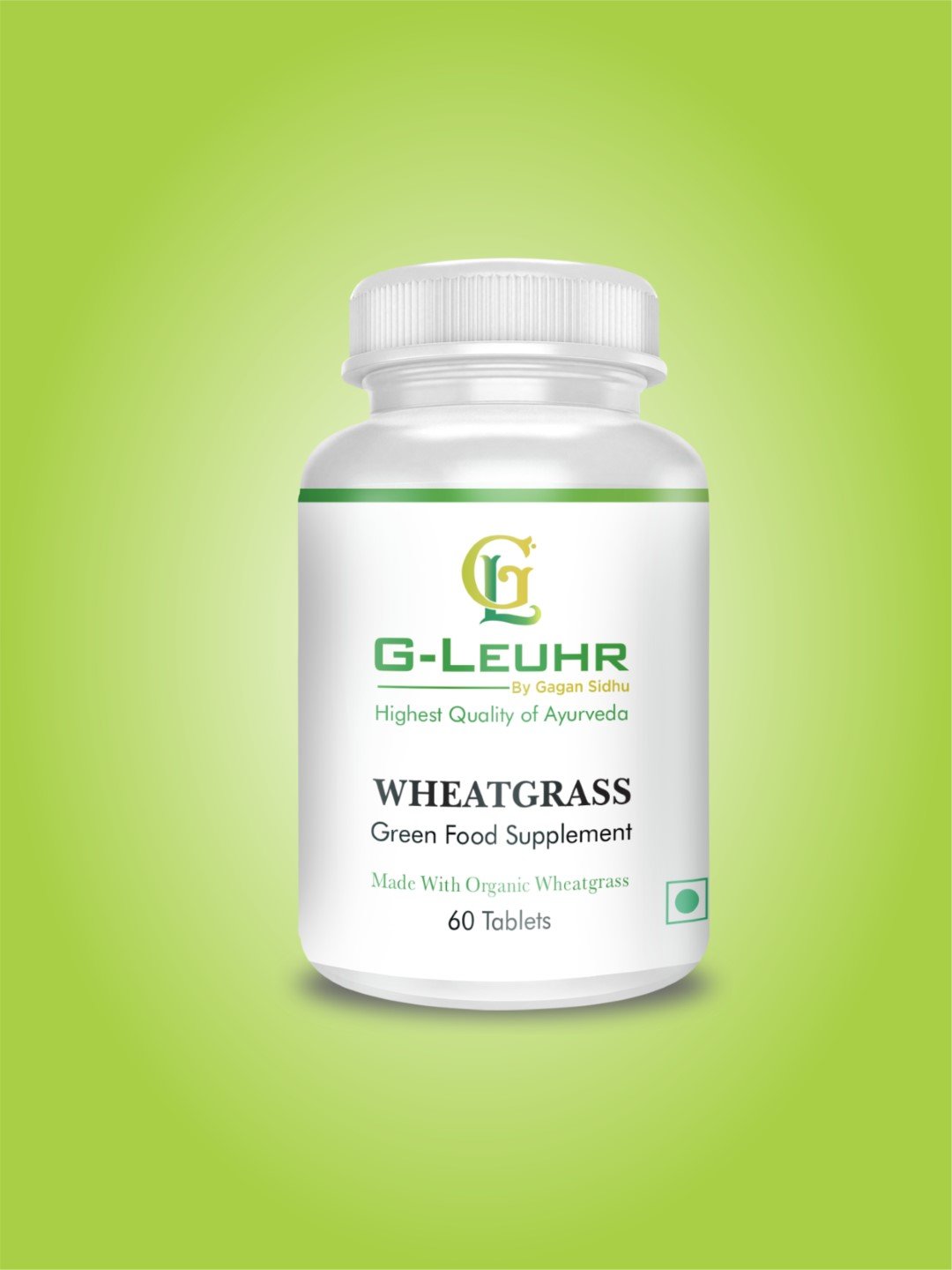
Wheatgrass has gained popularity in recent years for its numerous health benefits. This vibrant green superfood is packed with essential nutrients and is known for its potential as a prebiotic supplement. Prebiotics are non-digestible fibers that promote the growth of beneficial bacteria in our gut, which in turn, support our overall health and well-being. In this article, we will explore the top 8 reasons why wheatgrass can be an excellent addition to your diet as a prebiotic supplement.
1. Rich in Fiber:
One of the primary reasons why wheatgrass is considered a potent prebiotic is its high fiber content. Dietary fiber plays a crucial role in regulating digestion and supporting gut health by acting as food for probiotic bacteria present in our intestines. Wheatgrass contains both soluble and insoluble fiber, which helps maintain bowel regularity and prevents constipation.
2. Abundance of Antioxidants:
Wheatgrass boasts an impressive array of antioxidants, including vitamins A, C, E, and various phytonutrients like flavonoids and chlorophyll. These powerful antioxidants help neutralize harmful free radicals that can damage cells and contribute to chronic diseases such as heart disease or cancer.
3. Promotes Detoxification:
The chlorophyll found abundantly in wheatgrass acts as a natural detoxifier by aiding liver function and eliminating toxins from the body. By removing harmful substances from our system, wheatgrass supports healthy digestion while reducing the burden on other organs responsible for detoxification.
4. Boosts Immune System:
A strong immune system is vital for maintaining good health. Wheatgrass contains several immune-boosting components such as vitamins A, C, E, zinc, iron, selenium, beta-carotene – all of which play significant roles in supporting immune function.
5. Alkalizing Properties:
An imbalanced pH level within our bodies can lead to various health issues over time. While wheatgrass is naturally alkaline, it helps balance the body’s pH levels and reduce acidity. This alkalizing effect can support overall health and prevent certain diseases that thrive in an acidic environment.
6. Enhances Digestive Health:
Wheatgrass is known to improve digestion by aiding in nutrient absorption and reducing gastrointestinal inflammation. The fiber content found in wheatgrass acts as a prebiotic, feeding beneficial bacteria in the gut and promoting a healthy microbiome.
7. Supports Weight Loss:
For those striving to shed extra pounds, incorporating wheatgrass into their diet may prove beneficial. As a low-calorie food packed with essential nutrients, it can help satisfy hunger while providing necessary vitamins and minerals needed for optimal functioning – without adding unnecessary calories or fat.
8. Anti-Aging Properties:
The antioxidants present in wheatgrass are not only beneficial for our immune system but also play a crucial role in maintaining youthful skin. These antioxidants combat free radicals that contribute to premature aging, helping keep your skin looking fresh and vibrant.
How to Incorporate Wheatgrass Into Your Diet:
Now that we’ve explored some of the key benefits of using wheatgrass as a prebiotic supplement let’s discuss how you can incorporate it into your daily routine:
1. Fresh Wheatgrass Juice: One popular way to consume wheatgrass is juicing it on its own or combining it with other fruits or vegetables for added flavor.
2. Wheatgrass Powder: If you don’t have access to fresh wheatgrass or prefer convenience, you can opt for high-quality wheat grass powder available at health stores or online retailers. Simply mix the recommended amount with water or add it to smoothies, juices, soups, or other recipes.
3. Wheatgrass Capsules: For individuals who find the taste of wheat grass unpleasant or have difficulty digesting fibers easily, capsules offer a convenient alternative method of consuming this powerful superfood.
It’s important to note that while wheatgrass offers numerous health benefits, some individuals may experience allergies or sensitivities to it. If you have any concerns or pre-existing conditions, it is advisable to consult with a healthcare professional before incorporating wheatgrass into your diet.
In conclusion, wheatgrass is an excellent choice for those looking to boost their gut health and overall well-being. With its high fiber content and abundance of antioxidants, this superfood acts as a potent prebiotic supplement that nourishes beneficial bacteria in our gut. By incorporating wheatgrass into your diet through fresh juice, powder, or capsules, you can harness its potential to support digestion, detoxification, immune function, weight loss efforts, and even promote youthful skin. Embrace the power of wheatgrass as a prebiotic supplement and unlock its incredible health benefits today!

Leave a Reply