Saving Money on Hydration: Tips for Staying Healthy and Hydrated on a Budget
Introduction:
Staying properly hydrated is essential for maintaining good health, but it can sometimes feel like a costly endeavor. From expensive bottled water to fancy hydration products, the options seem endless and overwhelming. However, there are plenty of ways to stay hydrated without breaking the bank. In this article, we will explore some practical tips for saving money on hydration while still ensuring your body gets the fluids it needs.
1. Opt for Tap Water:
One of the simplest and most cost-effective ways to stay hydrated is by drinking tap water. Most tap water in developed countries undergoes rigorous testing to ensure its safety and quality. If you’re concerned about taste or purity, consider investing in a water filter pitcher or faucet attachment that removes impurities without adding to your expenses in the long run.
2. Carry a Reusable Water Bottle:
Investing in a reusable water bottle is not only eco-friendly but also budget-friendly. Instead of buying single-use plastic bottles every time you’re thirsty, carry a refillable bottle with you wherever you go. Choose one that suits your lifestyle – whether it’s stainless steel, glass, or BPA-free plastic – and make sure it’s easy to clean.
3. Infuse Your Water at Home:
If plain water seems boring after some time, try infusing it with natural flavors at home instead of splurging on flavored waters or sports drinks from stores. Simply add slices of fruits like lemon, cucumber, berries or herbs like mint into your water bottle and let them steep overnight in the refrigerator for refreshing infused water that won’t hurt your wallet.
4. Make Your Own Electrolyte Drinks:
Electrolyte drinks are often marketed as essential for hydration during intense workouts or when sick; however, they can be quite pricey when bought regularly from stores. Save money by making your own electrolyte drink at home. Combine water, a pinch of salt, a squeeze of citrus juice like lemon or lime, and a natural sweetener like honey or maple syrup. This homemade alternative is just as effective and significantly cheaper.
5. Embrace Herbal Tea:
Tea can be an excellent hydrating beverage without the expense of bottled drinks. Opt for herbal teas such as chamomile, peppermint, or hibiscus that are naturally caffeine-free and offer numerous health benefits. Not only will they help keep you hydrated but also provide relaxation and other therapeutic effects.
6. Utilize Free Water Sources:
Take advantage of free water sources available in your community to stay hydrated on the go. Many public places such as parks, libraries, malls, and airports have drinking fountains where you can refill your water bottle without spending a dime.
7. Plan Ahead:
Planning ahead not only helps in saving money on hydration but also ensures that you always have access to fluids when needed. Before leaving home for extended periods, fill up your reusable water bottle with tap water or infused water so that you’re not tempted to buy expensive beverages while out and about.
8. Monitor Your Hydration Levels:
Being aware of your hydration levels can prevent overconsumption or underconsumption of fluids which may lead to unnecessary expenses or health issues respectively. Pay attention to signs like thirst, urine color (pale yellow indicates proper hydration), dry mouth, fatigue, or dizziness – all indicating whether it’s time to drink more water.
9. Eat Hydrating Foods:
Staying hydrated doesn’t solely rely on drinking fluids; consuming foods with high-water content can contribute significantly too! Include hydrating foods such as cucumbers, tomatoes melons (watermelon especially), berries (strawberries & raspberries), lettuce greens (romaine lettuce & spinach) in your diet regularly to boost hydration levels naturally while providing essential nutrients at minimal cost.
10. Avoid Hydration Myths:
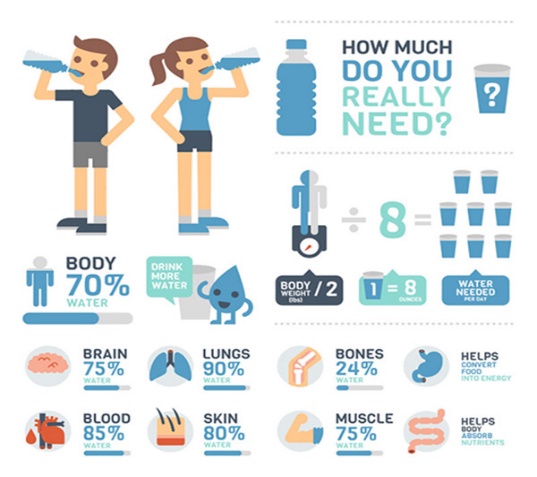
Last but not least, don’t fall for hydration myths that may cost you money unnecessarily. Drinking eight glasses of water a day is a common misconception; your fluid needs vary depending on factors like age, weight, climate, and physical activity level. Instead of blindly following generic guidelines, listen to your body’s signals and adjust your fluid intake accordingly.
Conclusion:
Staying hydrated doesn’t have to be an expensive endeavor. By making smart choices like opting for tap water, using a reusable bottle, infusing your own flavors at home, and incorporating hydrating foods into your diet, you can save money while keeping yourself properly hydrated. Remember that staying healthy and hydrated doesn’t have to break the bank – it just requires some thoughtful planning and simple lifestyle changes.

Leave a Reply