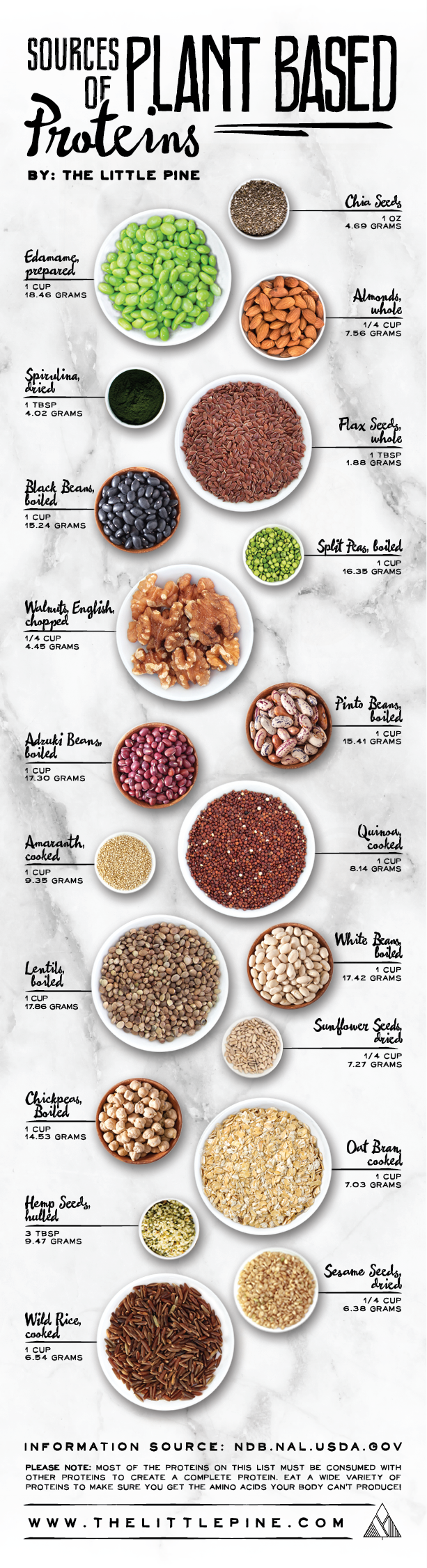
Plant-based sources of protein
Protein is an essential nutrient that plays a crucial role in building and repairing tissues, supporting the immune system, and maintaining healthy hair, skin, and nails. While many people believe that animal products are the only significant source of protein, there are plenty of plant-based options that can provide all the necessary amino acids for a well-rounded diet.
1. Legumes: Beans, lentils, chickpeas, and peas are excellent sources of protein. They are also rich in fiber which aids digestion and helps regulate blood sugar levels. Incorporating legumes into your meals can be as simple as adding them to soups or stews or using them as a base for vegetarian burgers or tacos.
2. Quinoa: This versatile grain-like seed is not only high in protein but also contains all nine essential amino acids. It’s gluten-free and can be used as a substitute for rice or pasta or added to salads for an extra nutritional boost.
3. Tofu: Made from soybeans, tofu is a popular plant-based protein option among vegetarians and vegans. It has a mild taste but readily absorbs flavors from spices or sauces when cooked. Tofu can be grilled, stir-fried, baked, or blended into smoothies for added creaminess.
4. Tempeh: Another soy-based product with higher protein content than tofu is tempeh. It’s made by fermenting soybeans into a firm patty-like texture that is rich in probiotics – beneficial bacteria for gut health – making it both nutritious and gut-friendly.
5. Seitan: Also known as wheat meat or wheat gluten, seitan is made from gluten (the protein found in wheat). It has a meaty texture and absorbs flavors well when cooked with seasonings like soy sauce or vegetable broth.
6. Nuts and seeds: Almonds, pistachios, walnuts pumpkin seeds chia seeds, and hemp seeds are all excellent sources of protein. They also provide healthy fats, vitamins, minerals, and fiber. Sprinkle them on salads or yogurt, or enjoy them as a snack for a nutritious boost.
7. Spirulina: This blue-green algae is often referred to as a superfood due to its high protein content and other beneficial nutrients like iron, B-vitamins, and antioxidants. It can be consumed in powder form by adding it to smoothies or used as an ingredient in energy bars.
8. Edamame: Young soybeans that are harvested before they harden are called edamame. They are commonly found in Asian cuisine and make for a delicious and protein-rich snack when steamed or boiled with a sprinkle of salt.
9. Nutritional yeast: While not technically a plant-based source of protein itself, nutritional yeast is often fortified with B-vitamins including vitamin B12 (which is typically found in animal products). It has a cheesy flavor and can be sprinkled over pasta dishes or used as a seasoning for popcorn.
10. Plant-based protein powders: For those looking for quick and convenient ways to increase their protein intake, there are numerous plant-based protein powders available on the market such as pea, rice, hemp, or soy protein powders. These can be added to smoothies or mixed with water or plant milk for an easy post-workout shake.
Incorporating more plant-based sources of protein into your diet not only helps diversify your nutrient intake but also provides health benefits associated with reduced saturated fat consumption often found in animal products.

Leave a Reply