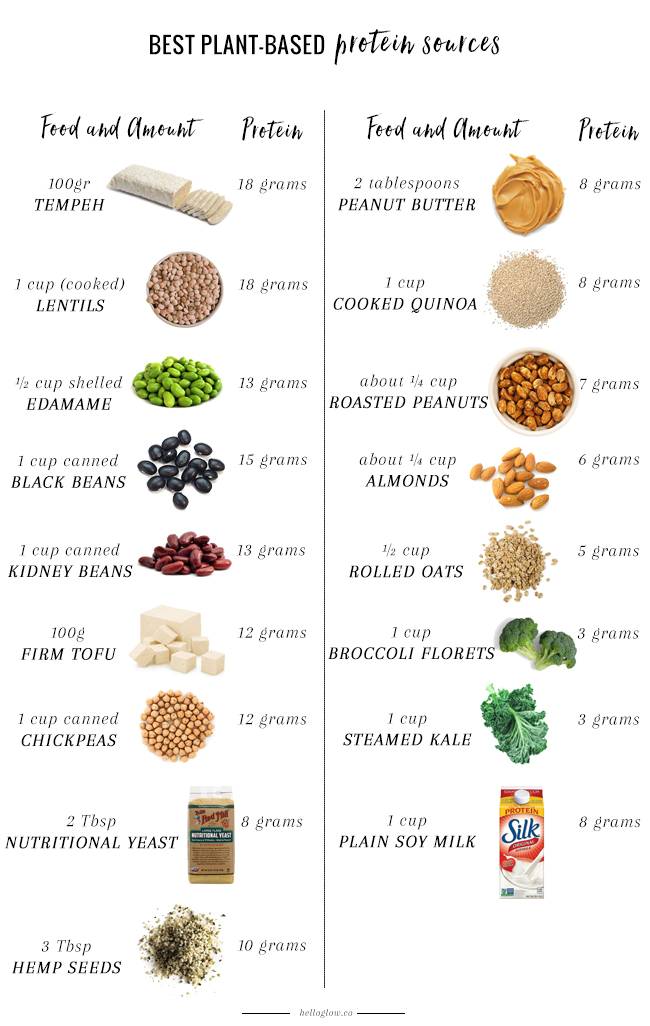
Plant-based Protein Sources: A Guide to Nourishing Your Body
In recent years, there has been a significant rise in the popularity of plant-based diets. People are increasingly realizing the health and environmental benefits of reducing their consumption of animal products and incorporating more plant-based foods into their meals. One common concern when transitioning to a plant-based diet is obtaining enough protein.
Protein plays a crucial role in our bodies, as it is responsible for building and repairing tissues, supporting immune function, producing enzymes and hormones, and providing energy. Fortunately, there are numerous plant-based protein sources that can help you meet your daily protein requirements without relying on meat or dairy products.
1. Legumes
Legumes are an excellent source of plant-based protein. This category includes beans (such as black beans, kidney beans, chickpeas), lentils, peas, and soybeans. Legumes are not only high in protein but also rich in fiber and various vitamins and minerals.
One cup of cooked lentils contains approximately 18 grams of protein. Similarly, one cup of cooked chickpeas provides around 15 grams of protein. Incorporating legumes into your meals can be as simple as adding them to salads or soups or using them to make delicious veggie burgers or hummus spreads.
2. Quinoa
Quinoa is often referred to as a superfood due to its impressive nutritional profile. It is not only packed with essential amino acids but also gluten-free and easy to digest compared to other grains.
A single cup of cooked quinoa contains roughly 8 grams of protein while offering dietary fiber and various minerals like magnesium and iron. Its versatility makes it an ideal substitute for rice or pasta in many recipes such as stir-fries or grain bowls.
3. Nuts
Nuts provide both healthy fats and proteins that can significantly contribute to your daily nutrient intake. Almonds, walnuts, cashews, pistachios, and peanuts are all great options. While the protein content varies between different types of nuts, they generally range from 4 to 7 grams per ounce.
Snacking on a handful of almonds or adding nut butter to your smoothies can be an easy way to incorporate plant-based protein into your diet. Nuts can also be used as toppings for salads or in homemade granola bars for a satisfying crunch.
4. Seeds
Similar to nuts, seeds are an excellent source of plant-based protein. Chia seeds, flaxseeds, hemp seeds, and pumpkin seeds are among the most popular choices. These tiny powerhouses are not only rich in protein but also provide essential fatty acids like omega-3s.
Chia seeds contain around 5 grams of protein per ounce while flaxseeds offer roughly 6 grams per ounce. You can sprinkle these nutritious seeds onto oatmeal or yogurt or even use them as egg substitutes when baking.
5. Tofu and Tempeh
Tofu and tempeh are soy-based products that have long been staples in vegetarian and vegan diets due to their high protein content and versatility in cooking.
Tofu is made by curdling soy milk and pressing it into solid blocks. It contains approximately 10 grams of protein per 3-ounce serving. Its subtle taste makes it ideal for absorbing flavors from marinades or sauces when stir-fried or baked.
Tempeh is fermented soybean cake with a slightly nutty flavor that offers about 16 grams of protein per 3-ounce serving. It can be marinated, grilled, sautéed, or crumbled into dishes like chili or tacos for added texture and taste.
6. Seitan
Seitan is derived from wheat gluten and has gained popularity as a meat substitute due to its chewy texture that resembles various animal proteins like chicken or beef.
With around 25 grams of protein per 3-ounce serving, seitan is a concentrated source of plant-based protein. It can be pan-fried, baked, or grilled and used in a wide range of dishes including stir-fries, sandwiches, and stews.
7. Whole Grains
While whole grains are not as high in protein as legumes or soy products, they still contribute to your overall protein intake while providing other essential nutrients like fiber and antioxidants.
Whole grains such as brown rice, oats, barley, and amaranth contain anywhere from 4 to 8 grams of protein per cooked cup. They can be used as a base for meals or added to soups and salads to boost their nutritional value.
In conclusion, there is no shortage of plant-based protein sources available for those adopting a vegetarian or vegan lifestyle. By incorporating legumes, quinoa, nuts, seeds tofu/tempeh/seitan, and whole grains into your diet regularly, you can ensure that you are meeting your daily protein needs without relying on animal products. Experiment with different recipes and cooking methods to discover delicious ways to nourish your body while contributing positively towards the environment.

Leave a Reply