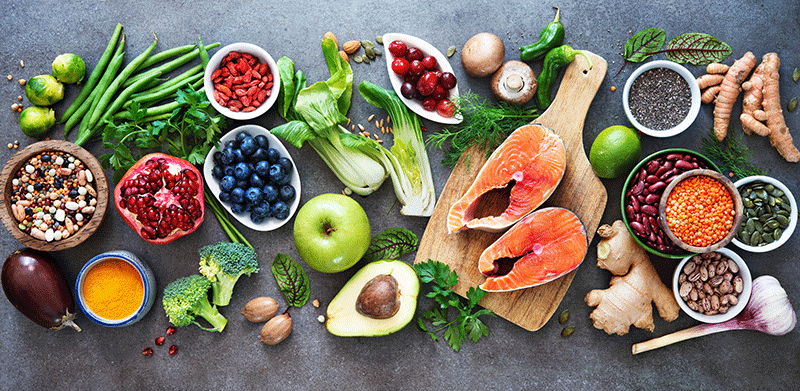
Are you tired of feeling sluggish and low on energy? Do you want to make healthier choices when it comes to your diet? Look no further! In this article, we will explore the world of nutrient-dense foods that can help fuel your body and keep you feeling vibrant.
Nutrient-dense foods are those that provide a high amount of nutrients while being relatively low in calories. They are packed with essential vitamins, minerals, and antioxidants that support overall health and well-being. Incorporating these powerhouse foods into your daily meals can have a profound impact on your energy levels, digestion, mood, and even skin health!
Leafy greens such as kale, spinach, and Swiss chard are excellent examples of nutrient-dense foods. These greens are rich in vitamins A, C, K, as well as calcium, iron, and fiber. They also contain powerful antioxidants like beta-carotene and lutein which play a vital role in protecting our cells from damage caused by free radicals.
Another group of superstars when it comes to nutrient density is cruciferous vegetables like broccoli, cauliflower, Brussels sprouts, and cabbage. These veggies are not only packed with vitamins C and K but also contain compounds called glucosinolates which have been shown to possess anti-cancer properties.
Berries deserve a special mention for their incredible nutritional profile. Blueberries top the list due to their high antioxidant content which helps combat inflammation in the body. Strawberries are loaded with vitamin C while raspberries boast impressive amounts of fiber. Adding berries to your morning yogurt or oatmeal can be a delicious way to boost both flavor and nutrition.
When it comes to protein sources that pack a punch in terms of nutrients without excess calories or unhealthy fats – look no further than seafood options such as salmon or sardines. These fish varieties offer omega-3 fatty acids which are crucial for heart health as well as brain function.
Incorporating nuts and seeds into your diet is another way to enjoy nutrient-dense foods. Almonds, walnuts, chia seeds, and flaxseeds are all great choices. Nuts contain healthy fats, fiber, and a variety of vitamins and minerals. They can be enjoyed as a snack on their own or sprinkled over salads for added crunch.
Whole grains like quinoa, brown rice, oats, and barley are fantastic sources of complex carbohydrates that provide sustained energy throughout the day. These grains also offer a good amount of fiber which supports healthy digestion.
Legumes such as lentils, chickpeas, black beans, and kidney beans are not only affordable but also incredibly nutrient-dense. They are packed with protein, fiber, iron, folate – just to name a few! Incorporating legumes into your meals can help you feel fuller for longer while providing essential nutrients.
Last but certainly not least on our list of nutrient-dense foods are colorful vegetables like carrots, bell peppers (especially the red ones), sweet potatoes – they’re all rich in antioxidants like beta-carotene which promotes healthy skin and supports eye health.
In conclusion: incorporating nutrient-dense foods into your daily meals is an excellent way to nourish your body from within. Leafy greens, cruciferous vegetables, berries seafood options like salmon or sardines should be staples in any nutritious diet plan. Don’t forget about nuts & seeds alongside whole grains like quinoa or brown rice – they offer plenty of benefits too! And finally vibrant veggies such as carrots with bell peppers round out this list nicely by providing us with important antioxidants we need for overall well-being. So go ahead; experiment with new recipes featuring these superfoods today!

Leave a Reply