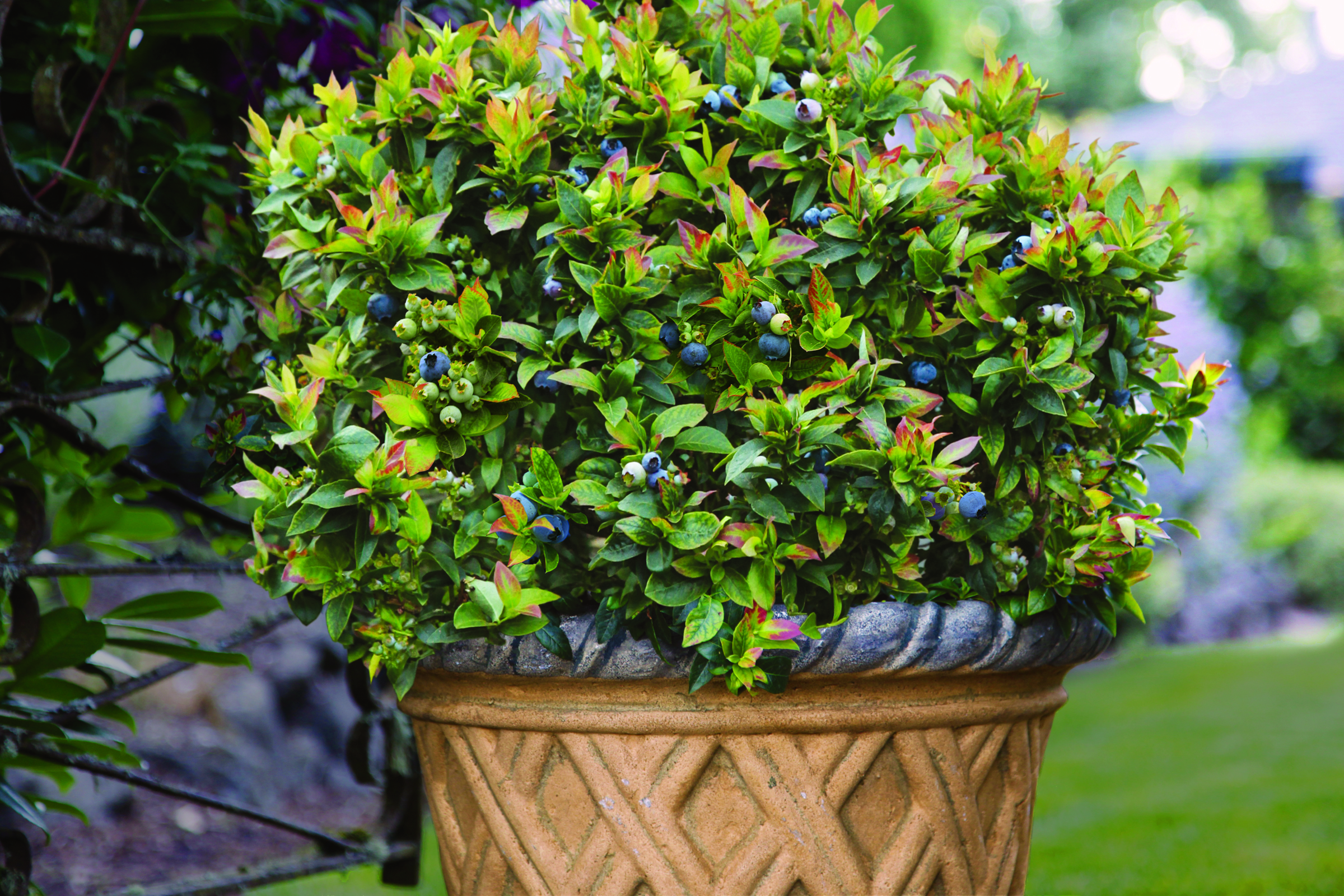
Blueberries are not only delicious but also packed with antioxidants and essential nutrients. Growing your own blueberries at home can be a rewarding experience, even if you have limited space or no garden at all. With the right techniques, you can successfully grow blueberries in containers or small spaces, allowing you to enjoy fresh and healthy berries right at your doorstep.
1. Choosing the Right Container: When it comes to growing blueberries in containers, selecting the appropriate container is crucial. Opt for a pot that has sufficient drainage holes and is at least 18 inches deep. Blueberry plants have shallow roots but require ample space for growth. A wider pot will provide more stability and allow for better root development.
2. Selecting the Right Variety: There are various cultivars of blueberries available, each with its unique characteristics such as size, flavor, and chilling requirements. For container gardening purposes, choose compact varieties like Top Hat or Sunshine Blue that thrive well in confined spaces without compromising on fruit production.
3. Preparing the Soil Mix: Blueberries prefer acidic soil conditions with a pH range between 4-5.5. You can prepare a suitable soil mix by combining equal parts of peat moss, pine bark mulch (or composted pine needles), and perlite or vermiculite for improved drainage. This mixture will help create an ideal environment for root establishment and overall plant health.
4. Providing Adequate Sunlight: Blueberry plants require full sunlight exposure to produce abundant fruits. Place your containers in an area where they receive at least six hours of direct sunlight daily; however, some shade during hot summer afternoons may help protect them from scorching heat.
5.Watering & Fertilizing: Proper watering is crucial for blueberry plants’ success in containers since they have limited access to moisture compared to those planted directly in the ground.
Ensure regular watering throughout the growing season while being cautious not to overwater, as it can lead to root rot. Keep the soil consistently moist but not waterlogged.
Fertilize your blueberry plants with a slow-release acidic fertilizer formulated specifically for acid-loving plants in early spring and again in late spring or early summer. Avoid using high-nitrogen fertilizers, as they promote leaf growth at the expense of fruit production.
6. Pruning & Maintenance: Regular pruning is essential for maintaining healthy blueberry plants and encouraging higher yields. In late winter or early spring, remove any dead or damaged branches and thin out crowded areas to improve air circulation within the plant.
Mulching around the base of your blueberry plant will help retain moisture, suppress weeds, and regulate soil temperature.
7. Protecting from Pests & Diseases: Blueberries are susceptible to certain pests like birds, aphids, mites, and diseases such as powdery mildew or root rot. Netting or bird scare devices can be used to protect your berries from hungry birds while regular inspection for signs of pests or diseases helps identify problems earlier on.
By following these guidelines and providing proper care, you can successfully grow delicious blueberries in containers or small spaces right at home. Enjoy the satisfaction of picking fresh berries that are not only tasty but also packed with health benefits!

Leave a Reply