Exploring alternative sources for omega-3 fatty acids besides free-range eggs
Omega-3 fatty acids are essential nutrients that our bodies need for optimal health. They play a crucial role in brain function, heart health, and reducing inflammation. While free-range eggs are often touted as a great source of omega-3s, there are alternative sources available for those who may not consume eggs or want to explore other options.
1. Chia seeds: These tiny black seeds pack a powerful nutritional punch. They are rich in omega-3 fatty acids, fiber, protein, and antioxidants. Incorporating chia seeds into your diet is easy; you can sprinkle them on top of yogurt or oatmeal, add them to smoothies or baked goods, or even make chia seed puddings.
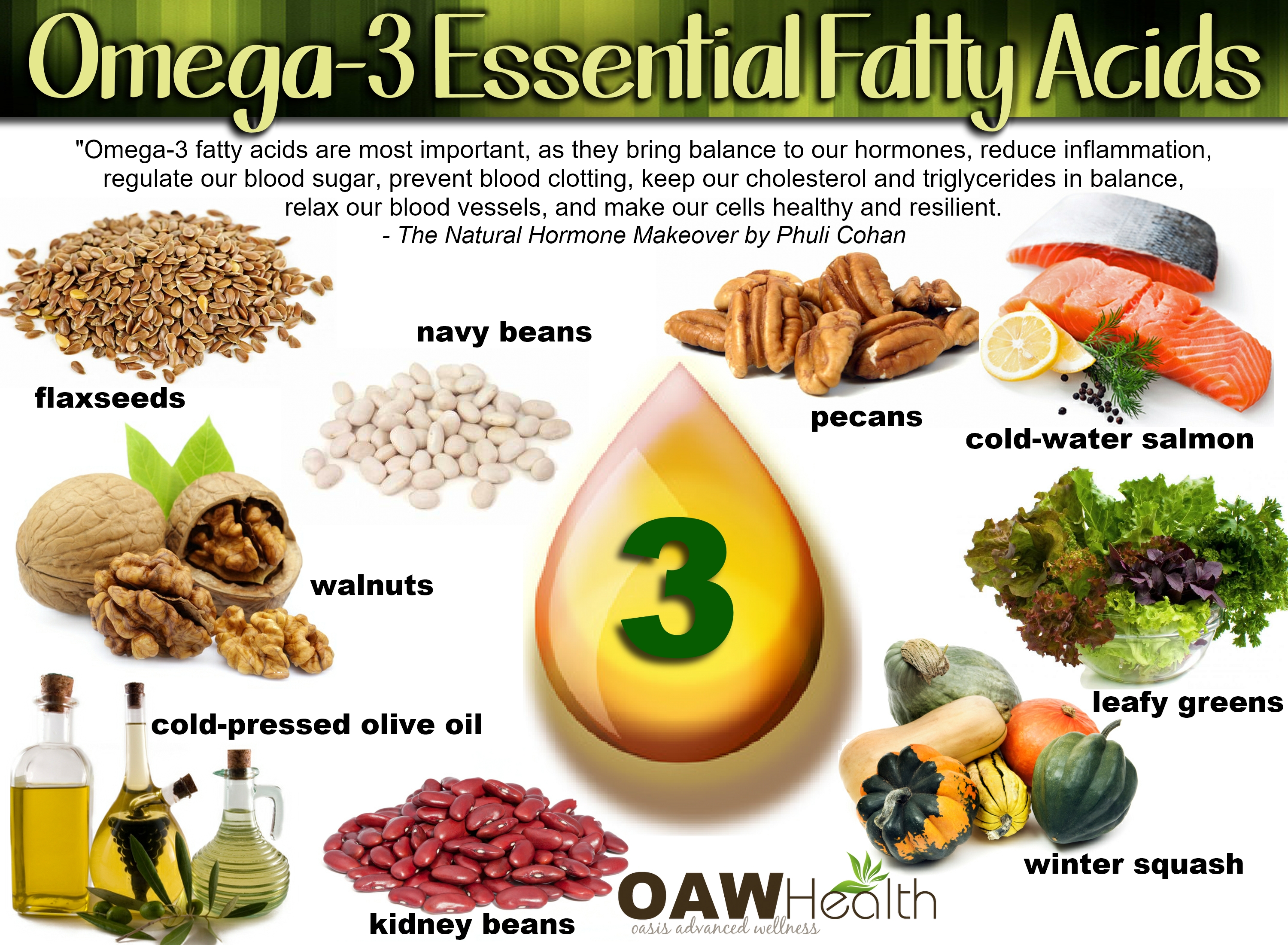
2. Flaxseeds: Another excellent plant-based source of omega-3s is flaxseeds. They contain alpha-linolenic acid (ALA), which the body converts into EPA and DHA – the same types of omega-3s found in fish oil. Grinding flaxseeds before consuming helps with better absorption as the whole seeds may pass through undigested.
3. Walnuts: Not only do walnuts provide a satisfying crunch and delicious flavor to meals and snacks, but they also offer a good amount of ALA omega-3 fatty acids. Just a handful of walnuts can contribute significantly to your daily intake.
4. Hemp seeds: Often referred to as hemp hearts, these small nutrient powerhouses offer an impressive array of vitamins, minerals, protein, fiber – and yes – even omega-3 fatty acids! Sprinkle them over salads or blend them into smoothies for an added boost.
5. Algal oil supplements: If you’re looking for an option that closely mimics the benefits of fish oil without actually consuming fish products or plant-based alternatives like flaxseed or chia seeds, algal oil supplements are worth considering. Algae-derived omega-3s contain EPA and DHA, just like fish oil.
While free-range eggs can be an excellent source of omega-3 fatty acids, it’s essential to note that the levels may vary depending on factors such as the hens’ diet and living conditions. Exploring alternative sources ensures a diverse nutrient intake and caters to individuals with dietary restrictions or preferences.
Remember that incorporating a variety of these omega-3-rich foods into your diet is key for reaping their full benefits. Aim for a well-balanced approach by including both plant-based and animal-based sources if they align with your dietary choices. Consulting a healthcare professional or nutritionist can help you determine the best approach based on your specific needs.
In conclusion, while free-range eggs are often celebrated for their omega-3 content, there are numerous alternative sources available for those who want to explore different options or have dietary restrictions. Incorporating chia seeds, flaxseeds, walnuts, hemp seeds, or algal oil supplements into your diet can provide ample amounts of this essential nutrient without relying solely on eggs. Remember to prioritize variety in your food choices to ensure optimal nutritional health.

Leave a Reply