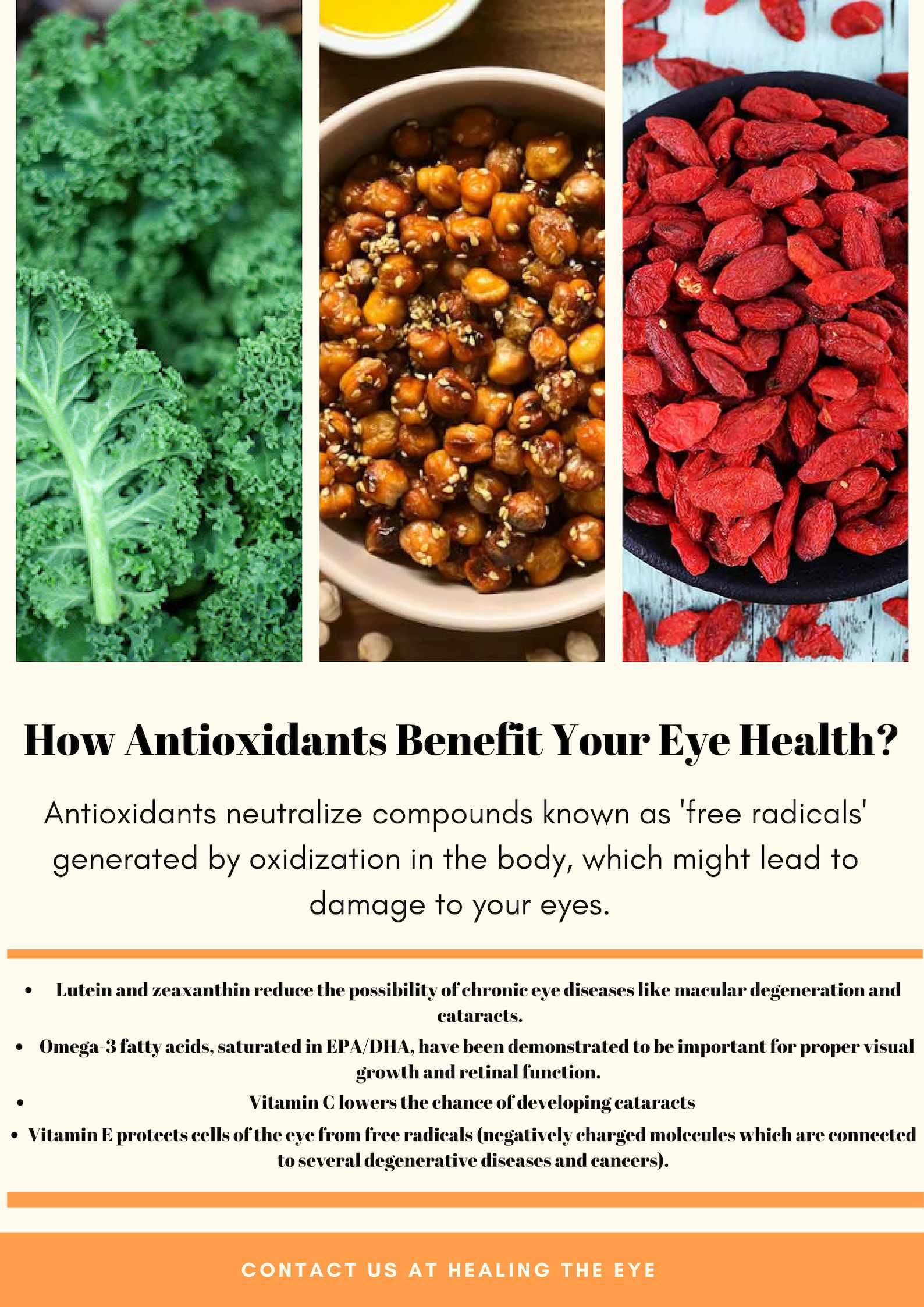
Antioxidants and Eye Health: Understanding the Connection
When it comes to maintaining good eye health, a balanced diet plays a crucial role. Including antioxidants in your daily meals can have significant benefits for your eyes. Antioxidants are substances that help protect our cells from damage caused by harmful molecules called free radicals. These free radicals can accumulate in our bodies due to factors such as pollution, smoking, stress, and poor nutrition.
Several studies suggest that oxidative stress caused by free radicals may contribute to the development of various eye conditions, including age-related macular degeneration (AMD), cataracts, and glaucoma. Fortunately, consuming foods rich in antioxidants can help counteract the effects of these harmful molecules and support optimal eye health.
One group of antioxidants particularly beneficial for eye health includes carotenoids like lutein and zeaxanthin. These compounds are found in high concentrations within the macula – a small part of the retina responsible for central vision – where they act as natural filters protecting against damaging blue light. Lutein and zeaxanthin are especially important for preventing AMD, which is one of the leading causes of vision loss among older adults.
Some excellent food sources of lutein and zeaxanthin include leafy green vegetables like spinach, kale, collard greens; yellow or orange fruits such as mangoes and oranges; egg yolks; corn; peas; broccoli; Brussels sprouts; pistachios; and avocados. Including these foods regularly in your diet can provide you with a healthy dose of these essential nutrients.
Another vital antioxidant known for its positive impact on eye health is vitamin C. This powerful antioxidant helps protect cells from damage caused by oxidative stress throughout the body–including those in our eyes. Citrus fruits like oranges, grapefruits, lemons are excellent sources of vitamin C along with berries such as strawberries and blueberries.
Vitamin E also plays a significant role in maintaining healthy eyes. It helps reduce the risk of cataracts and AMD by protecting cells from free radical damage. You can find vitamin E in foods like nuts, seeds, spinach, and broccoli.
Omega-3 fatty acids are another essential nutrient for eye health. These fatty acids support proper visual development during infancy and have been linked to a reduced risk of developing dry eye syndrome later in life. Fish like salmon, mackerel, trout, and sardines are excellent sources of omega-3s.
In addition to incorporating these antioxidant-rich foods into your diet, it’s important to adopt other healthy habits such as not smoking, wearing sunglasses outside to protect against harmful UV rays, limiting screen time and taking regular breaks when working on devices.
While antioxidants alone cannot guarantee perfect vision or prevent all eye conditions entirely, they certainly help maintain optimal eye health. By including a variety of colorful fruits and vegetables rich in antioxidants in your meals regularly, you can give your eyes the best chance at staying healthy for years to come. Remember that it is always wise to consult with an eye care professional regarding any specific concerns or conditions related to your vision.

Leave a Reply