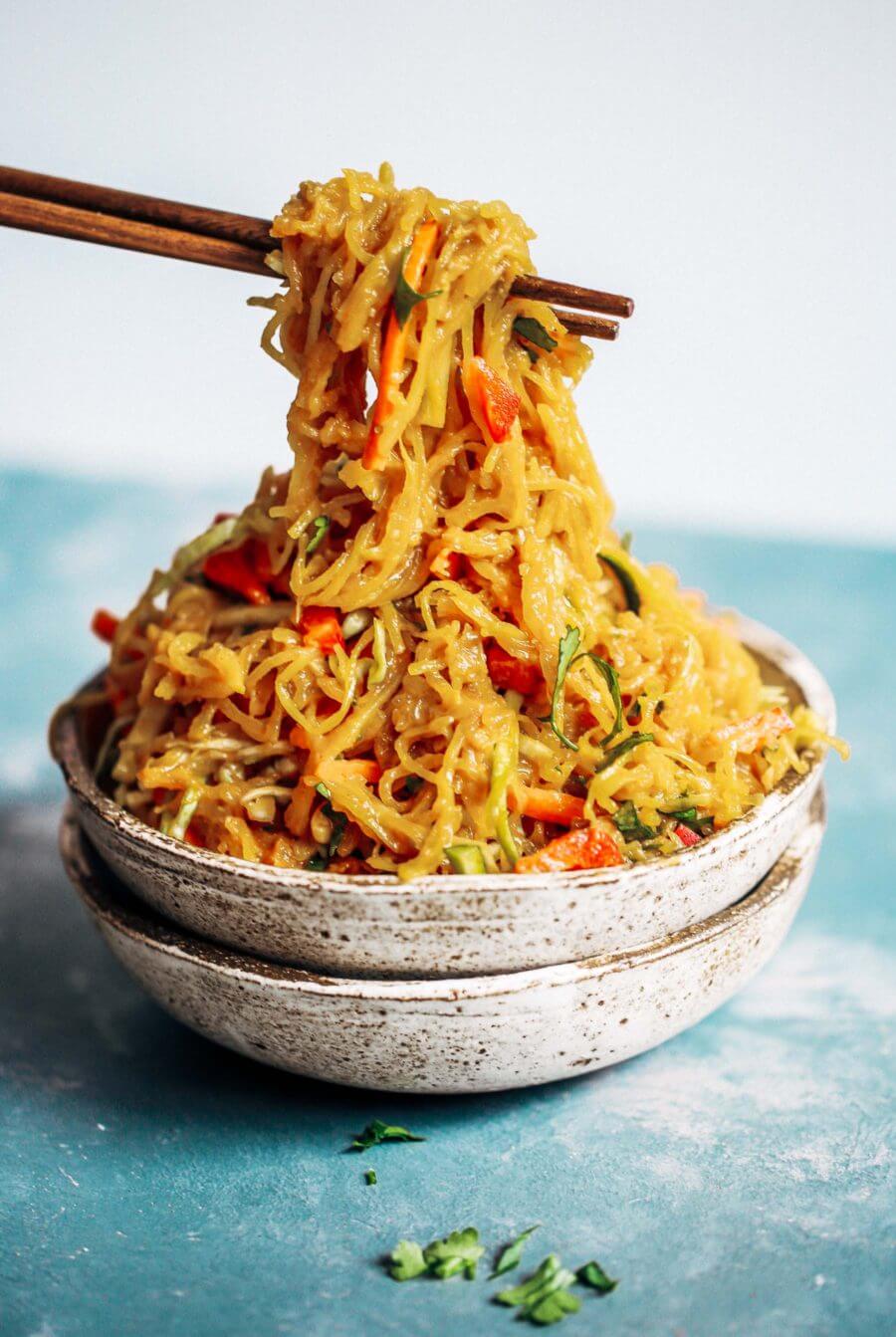
Garlic: A Versatile and Nutritious Ingredient in Asian Cuisine
Introduction:
Asian cuisine is renowned for its vibrant flavors, aromatic spices, and unique ingredients. Among these ingredients, garlic stands out as a staple that plays a vital role in shaping the distinct taste profiles of various Asian dishes. From stir-fries to curries, soups to sauces, garlic infuses depth and complexity into countless recipes across the continent. But beyond its culinary prowess, garlic also offers numerous health benefits. In this article, we will explore the multifaceted role of garlic in Asian cuisine and delve into its nutritional value.
Origins and Cultural Significance:
Garlic has been an integral part of Asian cooking for centuries. Its origin can be traced back to Central Asia before spreading throughout the continent via trade routes such as the Silk Road. Over time, it became deeply ingrained in the culinary traditions of countries like China, India, Thailand, Japan, and Korea.
In many Asian cultures, garlic holds more than just gastronomic significance; it is also believed to possess medicinal properties. Traditional Chinese Medicine (TCM) views garlic as a warming food that aids digestion while promoting circulation and reducing internal dampness. Similarly, Ayurveda – the ancient Indian system of medicine – considers garlic as pungent with heating qualities that balance certain doshas (energies).
Culinary Uses:
The versatility of garlic shines through in Asian cooking where it adds both flavor and aroma to a wide range of dishes.
1. Stir-Fries: Garlic often forms the foundation of stir-fried dishes across Asia. Whether it’s Chinese stir-fries or Thai pad krapow gai (basil chicken), minced or sliced garlic sizzles alongside vegetables or meats to create enticing flavors.
2. Curries: Many curries owe their distinctive tastes to generous amounts of sautéed or ground garlic added during preparation. Indian curries like butter chicken and Thai curries like green curry rely on garlic to provide a rich and savory base.
3. Soups and Broths: Garlic is frequently used in Asian soups and broths, such as Korean kimchi jjigae (kimchi stew) or Vietnamese pho. It enhances the umami notes of the broth while complementing other ingredients.
4. Sauces and Condiments: Garlic plays a crucial role in various sauces and condiments found in Asian cuisine. From Chinese dumpling dipping sauce to Japanese garlic miso, these flavorful accompaniments owe their taste profiles to this aromatic bulb.
Health Benefits:
Beyond its culinary prowess, garlic boasts an array of health benefits that have been recognized for centuries across Asia.
1. Boosts Immunity: Garlic possesses antimicrobial properties that can help ward off infections. It also contains compounds that stimulate immune system activity, making it an excellent ally during cold and flu seasons.
2. Improves Heart Health: Studies suggest that consuming garlic may help lower blood pressure levels by relaxing blood vessels and reducing inflammation markers linked to cardiovascular diseases. Additionally, it may reduce bad cholesterol (LDL) levels when consumed regularly.
3. Antioxidant Properties: Garlic contains antioxidants that protect cells against damage caused by harmful free radicals, potentially reducing the risk of chronic diseases like cancer.
4. Anti-inflammatory Effects: Various bioactive compounds present in garlic exhibit anti-inflammatory effects, which may help alleviate symptoms associated with inflammatory conditions such as arthritis.
5. Digestive Aid: In traditional medicine systems like TCM and Ayurveda, garlic has long been revered for its digestive benefits due to its warming properties believed to improve digestion and relieve bloating or flatulence.
6. Potential Anti-cancer Properties: Some studies indicate that certain sulfur compounds found in garlic could inhibit the growth of cancer cells or reduce the risk of certain cancers such as stomach or colorectal cancer; however, more research is needed to draw definitive conclusions.
Cultural Significance and Superstitions:
Garlic’s cultural significance extends beyond its culinary and medicinal attributes. In many Asian countries, garlic has been associated with warding off evil spirits and providing protection against supernatural forces. It is not uncommon to find garlic hung at doorways or worn as talismans during festivals or ceremonies.
In addition to superstitions, the pungent aroma of garlic can also be seen as a sign of good cooking in some Asian cultures. The strong scent signifies that the dish has been seasoned adequately, adding an extra layer of authenticity and flavor.
Conclusion:
Garlic holds a special place in Asian cuisine for its ability to elevate flavors while offering numerous health benefits. From stir-fries to curries, soups to sauces, this versatile ingredient enhances countless dishes across the continent. Aside from its culinary prowess, garlic’s role in traditional medicine systems further highlights its value in promoting well-being. So next time you indulge in your favorite Asian dish, savor the essence of garlic that adds depth, complexity, and nourishment to every bite.


Leave a Reply