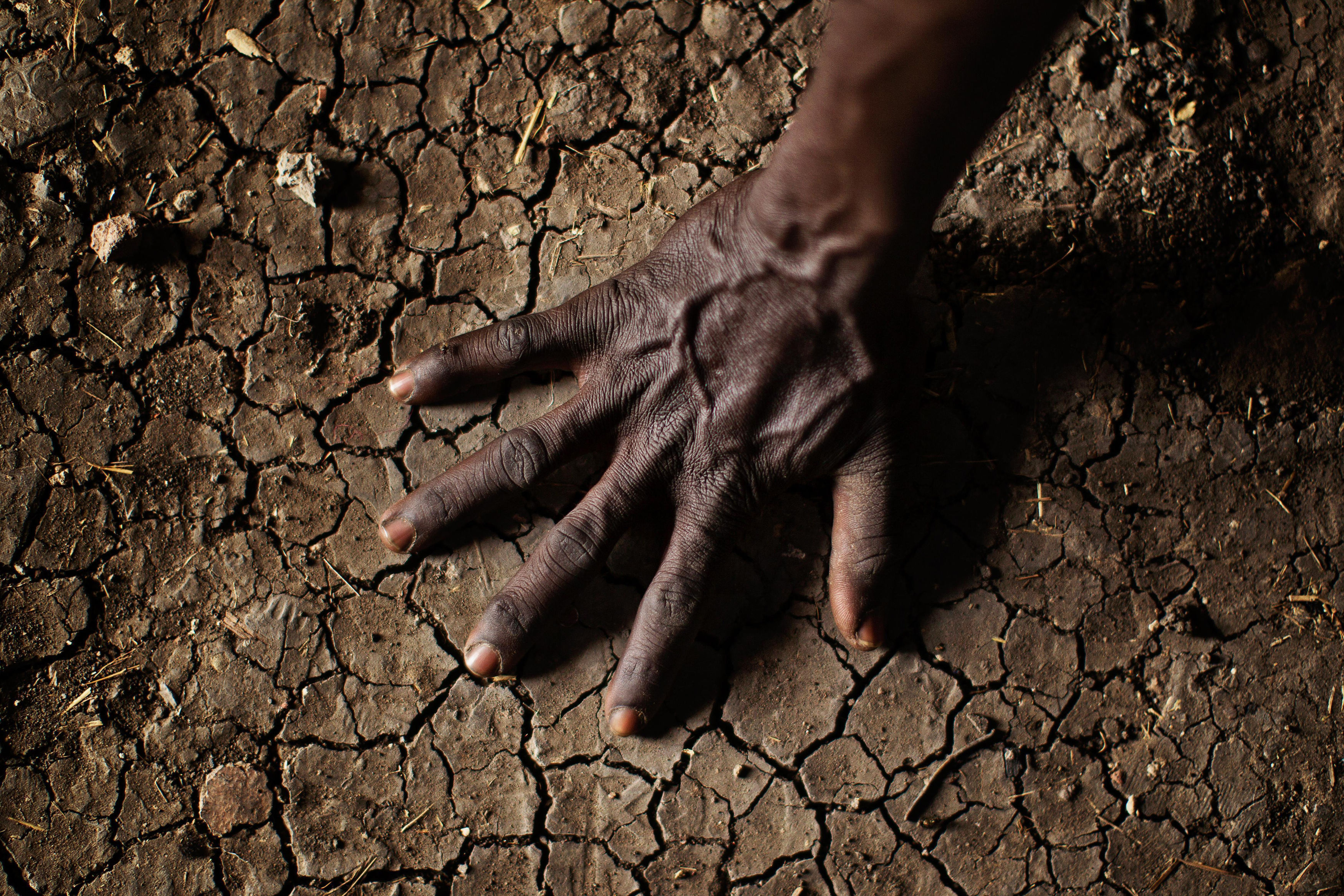
Climate change has been a hot topic in recent years, and its impact on the environment is far-reaching. One area that is affected by climate change is the seasonal availability of certain foods. As temperatures rise and weather patterns shift, we are experiencing changes in when and where crops can be grown.
Traditionally, certain fruits and vegetables are associated with specific seasons. For example, strawberries are typically enjoyed during the summer months, while apples are harvested in the fall. However, as climate change alters growing conditions, these seasonal norms may no longer hold true.
Warmer temperatures can cause plants to flower earlier or later than usual. This can throw off the natural cycle of pollination and fruiting for many crops. In some cases, it may even lead to decreased yields or failed harvests altogether.
In addition to changes in timing, climate change can also affect where certain crops can be grown. Many fruits and vegetables have specific temperature requirements for optimal growth. As regions become too warm or experience shifts in precipitation patterns, farmers may need to adapt by finding new areas to cultivate their crops.
These changes have significant implications for our diets and food systems. If certain crops become less available due to changing growing conditions, consumers may need to explore alternatives or find ways to incorporate different foods into their diets.
One way to do this is by discovering lesser-known seasonal superfoods. These nutrient-dense foods provide a wide range of health benefits and can add variety to your meals throughout the year. Examples include kale (which thrives during cooler months), pomegranates (in season during late fall), or Brussels sprouts (a winter vegetable).
Another option is incorporating wild edibles into your diet. Wild plants often have unique flavors and nutritional profiles that can enhance your meals while also connecting you with nature’s bounty. Just make sure you properly identify any plants before consuming them!
Spices also play a crucial role in enhancing the flavors of seasonal dishes. They can add depth and complexity to your meals, transforming simple ingredients into delicious creations. For example, cinnamon and nutmeg are perfect for fall-inspired recipes, while ginger and turmeric can add warmth to winter dishes.
In conclusion, climate change is impacting the seasonal availability of certain foods. Changes in temperature and weather patterns are disrupting traditional growing cycles and forcing us to adapt our diets accordingly. By exploring lesser-known superfoods, incorporating wild edibles, and using spices creatively, we can continue to enjoy a varied and nutritious diet despite these challenges. Stay tuned for more tips on how to make the most of seasonal eating on our Healthy Eating website!

Leave a Reply