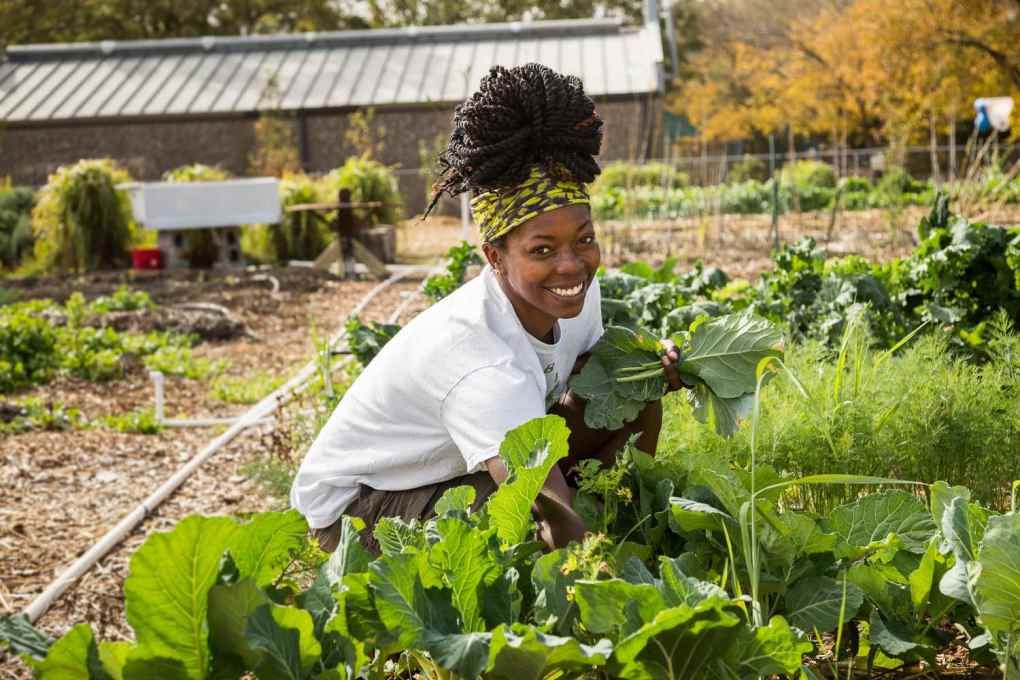
Organic Farming Practices in South America: A Sustainable Approach to Healthy Eating
In recent years, there has been a growing interest in organic farming practices as people become more conscious of the impact of their food choices on both personal health and the environment. South America, with its vast agricultural lands and favorable climate conditions, has emerged as a significant player in the organic farming movement. Organic farmers in countries like Argentina, Brazil, Peru, and Chile are adopting sustainable methods to produce high-quality crops while preserving biodiversity and promoting healthy eating habits. In this article, we will explore some of the key principles behind organic farming practices in South America and highlight their benefits.
One of the fundamental principles of organic farming is soil fertility management. In conventional agriculture, synthetic fertilizers are commonly used to boost crop productivity. However, these chemical inputs can have detrimental effects on soil quality by depleting essential nutrients and disrupting natural microbial communities. Organic farmers employ various strategies to maintain soil fertility naturally.
A common technique used by many organic farmers is composting. They collect plant residues such as leaves, stems, and stalks along with animal manure and transform them into nutrient-rich compost through controlled decomposition processes. This compost not only supplies vital nutrients to crops but also improves soil structure and moisture retention capacity. By utilizing natural materials readily available on their farms instead of relying on external inputs like chemical fertilizers, organic farmers reduce production costs while minimizing environmental pollution.
Crop rotation is another widely adopted practice among organic farmers in South America. Instead of planting the same crop year after year which can lead to pest infestations and soil nutrient imbalances, they rotate different crops seasonally or annually within specific fields or plots. Crop rotation helps break pest cycles by interrupting their reproductive patterns since pests that target one crop may not thrive when a different crop is planted next.
Additionally, diverse crop rotations enhance biodiversity as different plants attract various beneficial insects that act as natural predators against pests. This biological control mechanism reduces the need for chemical pesticides, further promoting a healthier environment and minimizing potential health risks associated with pesticide residues in food.
Weed management is another critical aspect of organic farming practices in South America. Conventional farmers often rely on synthetic herbicides to control weeds, but these chemicals can have harmful effects on human health and the environment. Organic farmers employ alternative methods such as mechanical cultivation, hand-weeding, mulching, and cover cropping to suppress weed growth naturally.
Mechanical cultivation involves using specialized equipment like precision tillers or harrows that mechanically uproot weeds without the use of chemicals. Hand-weeding, although labor-intensive, allows farmers to selectively remove weeds by hand while leaving crops unharmed. Mulching involves covering the soil with materials like straw or wood chips to smother weed growth by blocking sunlight access to the weed seeds.
Cover cropping is another effective technique used by organic farmers where they grow specific plant species known as cover crops during fallow periods or between cash crop cycles. These cover crops help suppress weed growth by competing for resources like light, water, and nutrients while also improving soil fertility through nitrogen fixation or nutrient accumulation.
Water conservation is a crucial concern in regions where water scarcity poses challenges for agriculture. Organic farming practices prioritize efficient water use through various strategies such as drip irrigation systems and rainwater harvesting techniques.
Drip irrigation systems deliver water directly to plant roots through tubing with small holes strategically placed near each plant’s base. This method minimizes water wastage compared to traditional sprinkler irrigation systems that typically spray water over larger areas indiscriminately.
Rainwater harvesting techniques involve capturing and storing rainfall runoff from rooftops or land surfaces in reservoirs or tanks for later use during dry periods. By utilizing natural precipitation effectively instead of solely relying on groundwater extraction or municipal supplies, organic farmers contribute towards sustainable water management practices.
One notable advantage of organic farming practices is their positive impact on biodiversity conservation. South America is home to diverse ecosystems, including the Amazon rainforest and the Andes mountain range. These regions are rich in flora and fauna, some of which are endangered or threatened due to habitat destruction caused by conventional agriculture.
Organic farming methods prioritize biodiversity preservation by creating habitats for various beneficial organisms on farms. The absence of chemical pesticides allows populations of pollinators like bees and butterflies to thrive, enhancing crop pollination and ensuring higher yields. Moreover, organic farmers often set aside portions of their land as wildlife corridors or protected areas to facilitate the movement of animals across fragmented landscapes.
From a consumer’s perspective, choosing organic food offers numerous benefits for personal health. Organic crops are grown without synthetic pesticides or genetically modified organisms (GMOs), reducing potential exposure to harmful chemicals and allergens. Research suggests that organically grown fruits, vegetables, and grains have higher levels of essential nutrients such as vitamins, minerals, antioxidants, and phytochemicals compared to conventionally grown counterparts.
Furthermore, organic farming practices typically prohibit the use of antibiotics or growth hormones in animal production systems. This means that organic meat products come from animals raised with more natural diets free from artificial additives. By consuming organic foods sourced from South American farms implementing sustainable practices, consumers can make informed choices towards supporting both their well-being and environmental conservation efforts.
In conclusion, organic farming practices in South America embody a holistic approach towards sustainable agriculture while promoting healthy eating habits. From soil fertility management through composting and crop rotation to weed control using mechanical cultivation techniques and cover cropping strategies – these methods ensure high-quality produce while protecting biodiversity and minimizing environmental impact.
By prioritizing water conservation techniques like drip irrigation systems combined with rainwater harvesting methods along with efforts towards preserving wildlife habitats on farmlands – organic farmers contribute significantly towards sustainable water management practices in regions facing water scarcity challenges.
Choosing organic foods sourced from South American farms not only provides consumers with nutrient-rich produce but also supports biodiversity conservation and environmental sustainability. By embracing organic farming practices, we can foster a healthier planet for future generations while nourishing our bodies with wholesome, sustainably grown food.

Leave a Reply